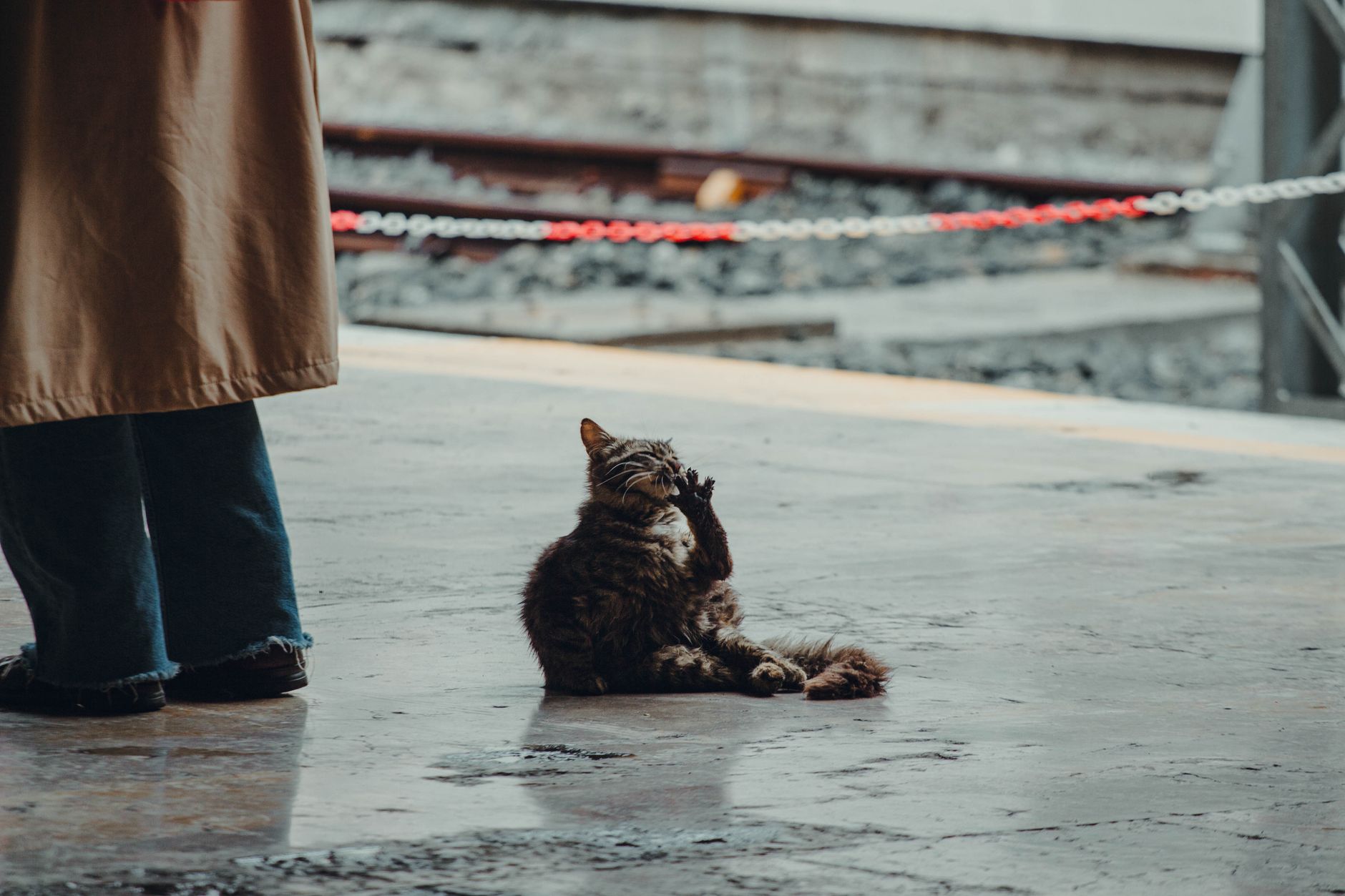
In a heartwarming and unusual turn of events, a small town has discovered that its feline residents have inadvertently transformed it into a unique tourist destination. This phenomenon, driven entirely by the charming and welcoming nature of the local cats, has brought unexpected joy and economic benefits to the community. Visitors are greeted with open paws right at the railway station, embark on playful adventures with their furry hosts throughout their stay, and even find themselves accompanied by these delightful creatures to local cafes, creating unforgettable travel experiences.
The Genesis of Feline Tourism
The story began subtly, with a few stray cats exhibiting unusually friendly behavior towards tourists arriving at the local railway station. Initially, these interactions were seen as isolated incidents. However, as more visitors shared their experiences online, a pattern emerged. The cats weren't just present; they were actively engaging with people, rubbing against legs, purring, and even leading them around the town. This organic, cat-led tourism began to attract attention, with travel bloggers and social media influencers sharing stories and photos of their encounters. Soon, the town, previously known for its quiet charm, found itself on the map as a must-visit destination for cat lovers and curious travelers alike.
Eligibility and Accessibility
There are no specific eligibility criteria to visit this unique destination. The town is accessible to everyone, and the primary requirement is a love for animals and a willingness to engage with the local cat population. The railway station, being the main entry point, is well-connected, making it relatively easy for tourists to reach. The town itself is small and walkable, allowing visitors to explore its nooks and crannies, often with a feline guide in tow.
Documents Required
No special documents are required for entry into the town or for interacting with the cats. Standard travel documents would suffice if traveling from afar. However, visitors are encouraged to bring along pet-friendly treats (ensuring they are safe for cats and locally approved) to share with their temporary companions, and perhaps a small donation for the local animal welfare group that looks after the cats' health.
Charges and Fees
The town itself does not charge any entry fees. The primary costs associated with a visit would be travel expenses, accommodation, and spending at local establishments like cafes and shops. Some local businesses have started offering 'cat-themed' souvenirs and experiences, with a portion of the proceeds often going towards the care of the cats. There are no mandatory fees for interacting with the cats, making it an affordable and accessible travel experience.
The Cat Experience: A Detailed Look
The core of the tourist experience revolves around the interactions with the local cats. These are not domesticated pets in the traditional sense, but rather a community of well-socialized strays and semi-feral cats who have adopted the town as their home and its visitors as temporary friends.
Arrival and Welcome
Upon arrival at the railway station, visitors are often met by a welcoming committee of cats. They might rub against your legs, meow for attention, or simply sit nearby, observing with curious eyes. This initial greeting sets a friendly and inviting tone for the entire visit.
Play and Companionship
Throughout the day, cats can be found lounging in public spaces, parks, and even outside shops. They are known to approach tourists, inviting them to play with simple toys or just enjoy their company. Many visitors report that the cats seem to have an innate sense of when someone is looking for interaction, approaching them with gentle nudges and playful antics. This companionship transforms a regular sightseeing trip into a heartwarming and interactive adventure.
Cafe Culture with Cats
One of the most charming aspects of this destination is the presence of cats in local cafes. Many cafes have outdoor seating areas where cats feel comfortable gathering. They might sit at a nearby table, occasionally approach patrons for a gentle pat, or simply nap in a sunny spot. This unique blend of enjoying local cuisine and coffee with feline company has become a major draw, offering a relaxed and unique ambiance that is hard to find elsewhere.
Safety and Etiquette
While the cats are generally friendly, it's important to remember they are still animals. Visitors are advised to approach them gently and respect their space. Avoid sudden movements or loud noises that might startle them. It's also crucial not to feed them human food unless it's specifically approved cat treats, as certain foods can be harmful. The local community and animal welfare groups provide guidelines on responsible interaction, ensuring both the visitors' and the cats' well-being.
Benefits for the Town and Its Residents
The rise of feline tourism has brought several benefits:
- Economic Boost: Increased tourist footfall has led to higher sales for local businesses, including hotels, restaurants, cafes, and souvenir shops.
- Community Engagement: The shared experience of caring for and interacting with the cats has fostered a stronger sense of community among residents.
- Animal Welfare Awareness: The popularity of the cats has highlighted the importance of animal welfare, leading to increased support for local animal rescue and care initiatives.
- Unique Identity: The town has developed a unique and memorable identity, distinguishing it from other tourist destinations.
Potential Risks and Considerations
While the experience is largely positive, there are a few potential risks and considerations:
- Allergies: Visitors with cat allergies should take necessary precautions or consider alternative travel plans.
- Hygiene: While the cats are generally clean, maintaining good hygiene practices, such as washing hands after interaction, is advisable.
- Overcrowding: As the destination gains popularity, there's a risk of overcrowding, which could impact the quality of the experience and the well-being of the cats.
- Sustainability: Ensuring the long-term welfare of the cat population and managing the impact of tourism on the local environment are crucial for sustainable growth.
Frequently Asked Questions (FAQ)
Q1: Are the cats vaccinated and healthy?
A: Local animal welfare groups work with veterinarians to ensure the cats receive regular check-ups, vaccinations, and necessary treatments. They monitor the health of the colony closely.
Q2: Can I adopt one of the cats?
A: While the cats are friendly, they are considered community animals and are not typically available for adoption. The focus is on their welfare within their natural environment. However, if you are interested in adopting a cat, local shelters might have animals in need of homes.
Q3: What is the best time of year to visit?
A: The cats are present year-round. However, the best time to visit depends on your preference for weather. Spring and autumn generally offer pleasant temperatures for exploring the town and interacting with the cats.
Q4: Are there any specific rules for interacting with the cats?
A: Yes, visitors are encouraged to be gentle, avoid feeding them human food (unless it's approved treats), not to disturb them when they are sleeping or eating, and to respect their space. Local signage often provides specific guidelines.
Q5: How can I contribute to the cats' well-being?
A: You can contribute by making a donation to the local animal welfare organization, purchasing cat-themed souvenirs where proceeds go to their care, or simply by being a responsible and respectful visitor.
Q6: Is this a safe destination for solo travelers?
A: The town is generally considered safe, and the friendly nature of both the cats and the locals contributes to a welcoming atmosphere. However, as with any travel, it's always advisable to take standard safety precautions.
Conclusion
This unique feline-driven tourism phenomenon offers a refreshing and heartwarming travel experience. It's a testament to how nature and animal companionship can create unexpected opportunities and bring joy to both visitors and the local community. The town's cat ambassadors have not only put it on the tourist map but have also fostered a sense of wonder, kindness, and community spirit that resonates deeply with everyone who visits.