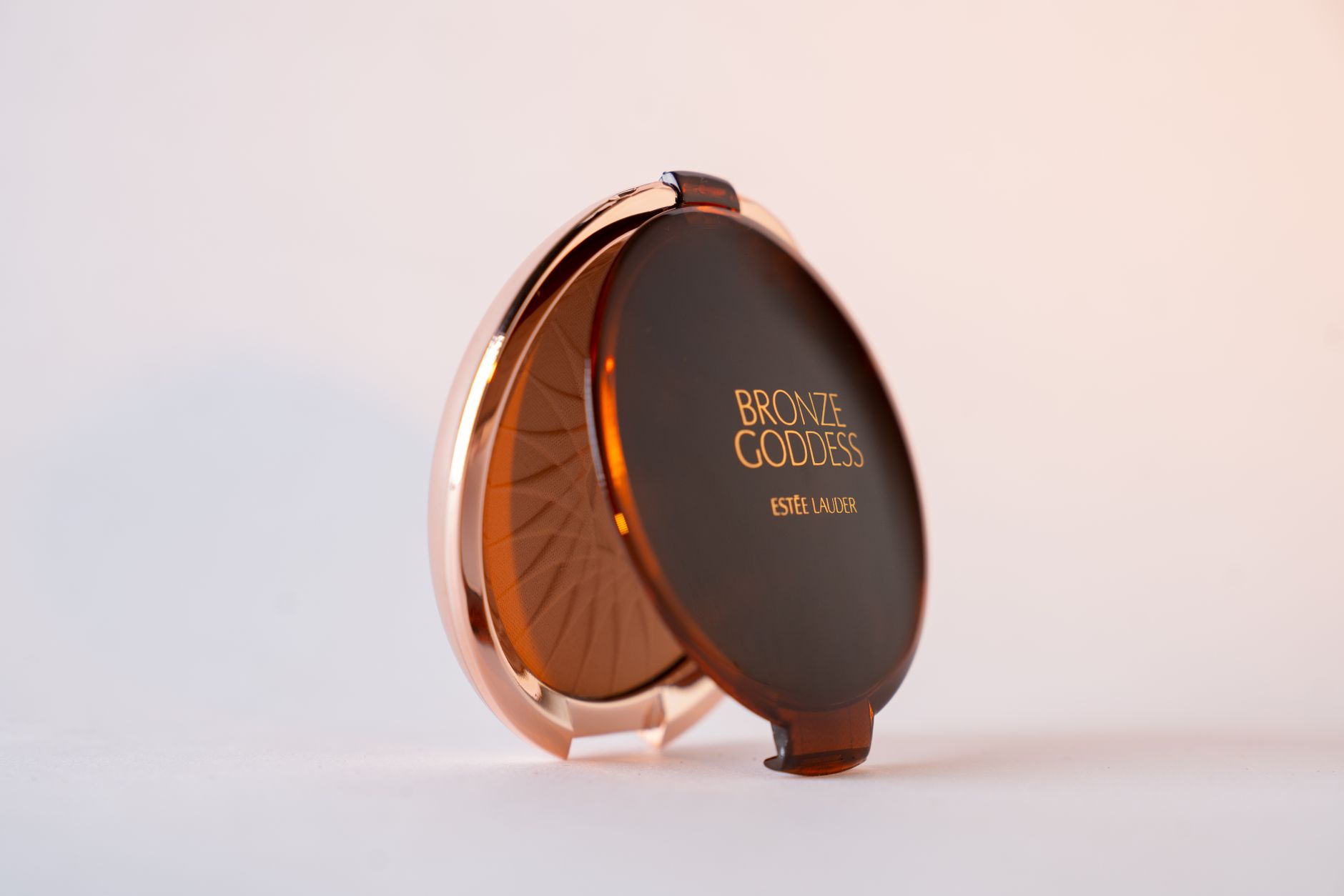
The beauty industry is abuzz with the potential for a monumental shift as Estee Lauder reportedly enters into discussions to acquire Puig, a prominent Spanish fashion and fragrance house. This potential mega-merger could reshape the global beauty landscape, creating a formidable entity with an expansive portfolio spanning luxury cosmetics, skincare, fragrances, and fashion. The implications for consumers, competitors, and the market at large are significant, promising a new era of innovation, brand consolidation, and potentially, altered consumer experiences. This article delves into the intricacies of this developing story, exploring the strategic rationale behind such a move, the potential benefits and challenges, and what it might mean for the future of the beauty sector.
Understanding the Players: Estee Lauder and Puig
Estee Lauder Companies Inc. is a titan in the global beauty industry, renowned for its vast portfolio of prestige beauty brands. With a history stretching back over 75 years, the company has built a reputation for innovation, quality, and strategic brand acquisitions. Its brands are household names, including Estee Lauder, Clinique, MAC Cosmetics, La Mer, Bobbi Brown, and Jo Malone London, among many others. Estee Lauder operates across multiple product categories, including skincare, makeup, fragrance, and hair care, with a strong global presence and a sophisticated distribution network.
Puig, a privately held Spanish company, has carved a significant niche in the fashion and fragrance world. Founded in 1914, Puig has a rich heritage and a strong focus on luxury and designer brands. It is particularly well-known for its successful fragrance collaborations with major fashion houses and its own proprietary brands. Puig's portfolio includes a mix of owned brands like Carolina Herrera, Nina Ricci, Paco Rabanne, and Jean Paul Gaultier, as well as licenses for fragrances from designers like Comme des Garçons and the fashion house Comme des Garçons. The company has demonstrated a keen ability to leverage fashion trends and celebrity endorsements to drive its fragrance and beauty business.
The Strategic Rationale: Why This Acquisition Makes Sense
The potential acquisition of Puig by Estee Lauder is driven by several strategic imperatives:
- Portfolio Expansion and Diversification: Estee Lauder would gain access to Puig's strong portfolio of designer fragrances and fashion-related beauty products. This would complement Estee Lauder's existing strengths, particularly in skincare and makeup, by significantly bolstering its position in the lucrative fragrance market. Puig's established designer licenses and owned brands offer a unique set of assets that could enhance Estee Lauder's overall market share and appeal to a broader consumer base.
- Synergies and Cost Efficiencies: Combining operations could lead to significant synergies. Estee Lauder could leverage its global supply chain, distribution networks, and marketing expertise to optimize Puig's operations. This could result in cost savings through economies of scale in manufacturing, procurement, and logistics. Furthermore, cross-selling opportunities between the two companies' product lines could drive revenue growth.
- Enhanced Market Position: The merged entity would possess a more formidable presence in the global beauty market, potentially challenging established leaders and creating a more balanced competitive landscape. The combined strength in both prestige cosmetics and high-end fragrances would position the new company as a dominant force across multiple beauty categories.
- Access to New Markets and Consumers: Puig has a strong presence in Europe and Latin America, which could provide Estee Lauder with enhanced access to these key markets. Conversely, Estee Lauder's global reach could benefit Puig's brands. This geographic expansion could unlock new revenue streams and customer segments.
- Innovation and Talent Acquisition: The acquisition could foster innovation by bringing together diverse R&D capabilities and creative talent. The combination of Estee Lauder's scientific approach to skincare and makeup with Puig's expertise in fragrance creation and fashion-forward product development could lead to groundbreaking new products and experiences.
Potential Benefits for Consumers and the Market
If the acquisition proceeds, consumers might see several positive outcomes:
- Wider Product Selection: The combined entity could offer a more comprehensive range of beauty products, from cutting-edge skincare to exclusive fragrances and fashion-inspired makeup.
- Enhanced Quality and Innovation: Leveraging the combined resources and expertise could lead to higher quality products and more innovative formulations and packaging.
- Potential for More Accessible Luxury: While both companies operate in the luxury space, increased efficiencies might, in some cases, lead to more competitive pricing or value-added offerings within the luxury segment.
For the broader market, this consolidation could signal a trend towards larger, more integrated beauty conglomerates, capable of investing heavily in R&D, marketing, and global expansion. It could also spur smaller, agile brands to focus on niche markets and direct-to-consumer models to differentiate themselves.
Potential Challenges and Risks
Despite the strategic advantages, the acquisition is not without its hurdles:
- Integration Complexity: Merging two large companies with distinct corporate cultures, operational structures, and brand identities is a complex undertaking. Ensuring a smooth integration of systems, supply chains, and personnel will be critical.
- Brand Dilution: Maintaining the distinct identity and appeal of each brand within the larger conglomerate will be a significant challenge. There's a risk that some brands might lose their unique charm or appeal if not managed carefully.
- Regulatory Scrutiny: Large-scale mergers often attract the attention of antitrust regulators. The companies will need to navigate potential regulatory hurdles to ensure the deal is approved.
- Financial Risks: The financial terms of the deal, including the valuation of Puig and the financing of the acquisition, will be crucial. Any overvaluation or excessive debt could pose financial risks to the combined entity.
- Cultural Clash: Integrating different corporate cultures can be difficult. Estee Lauder, being a publicly traded US company, has a different corporate culture compared to the privately held Spanish Puig. Managing this cultural integration effectively will be key to long-term success.
The Future of Beauty: What This Means
The potential Estee Lauder-Puig deal underscores several key trends shaping the beauty industry:
- Consolidation in Luxury: The luxury beauty segment is seeing increased consolidation as major players seek to achieve scale and expand their global reach.
- The Power of Fragrance: Fragrance remains a high-margin, high-growth category, and companies are keen to strengthen their position in this area.
- Brand Equity and Licensing: The value of strong brand equity and successful licensing agreements, particularly in fashion and fragrance, continues to be a major driver of M&A activity.
- Global Ambition: Beauty companies are increasingly focused on global expansion, seeking to tap into emerging markets and diversify their revenue streams.
This potential acquisition is more than just a financial transaction; it represents a strategic move to build a more robust, diversified, and influential beauty empire. The outcome of these talks will undoubtedly be closely watched by industry insiders and consumers alike, as it has the potential to redefine the competitive dynamics of the global beauty market for years to come.
Frequently Asked Questions (FAQ)
Is the acquisition of Puig by Estee Lauder confirmed?
As of the latest reports, Estee Lauder is reportedly in talks to acquire Puig. However, the deal is not confirmed, and negotiations are ongoing. It is important to follow official announcements from both companies for definitive information.
What are Puig's main brands?
Puig's portfolio includes well-known brands such as Carolina Herrera, Nina Ricci, Paco Rabanne, Jean Paul Gaultier, and Dries Van Noten. They also hold fragrance licenses for brands like Comme des Garçons.
What is Estee Lauder's strategy behind this potential acquisition?
Estee Lauder's strategy likely involves expanding its presence in the fragrance market, diversifying its brand portfolio, achieving cost synergies, and strengthening its overall position in the global beauty industry.
What are the potential risks associated with this acquisition?
Potential risks include difficulties in integrating the two companies, brand dilution, regulatory challenges, and financial risks related to the deal's valuation and financing.
How might this acquisition affect consumers?
Consumers might benefit from a wider selection of products, potentially enhanced quality and innovation, and a more dynamic competitive landscape within the luxury beauty segment.
Important Practical Notes
Always verify the latest bank or lender terms directly on official websites before applying. Interest rates, charges, and eligibility can vary by profile, location, and policy updates.
Quick Checklist Before You Apply
Compare offers from multiple providers.
Check hidden charges and processing fees.
Review repayment terms and penalties carefully.
Keep required KYC and income documents ready.