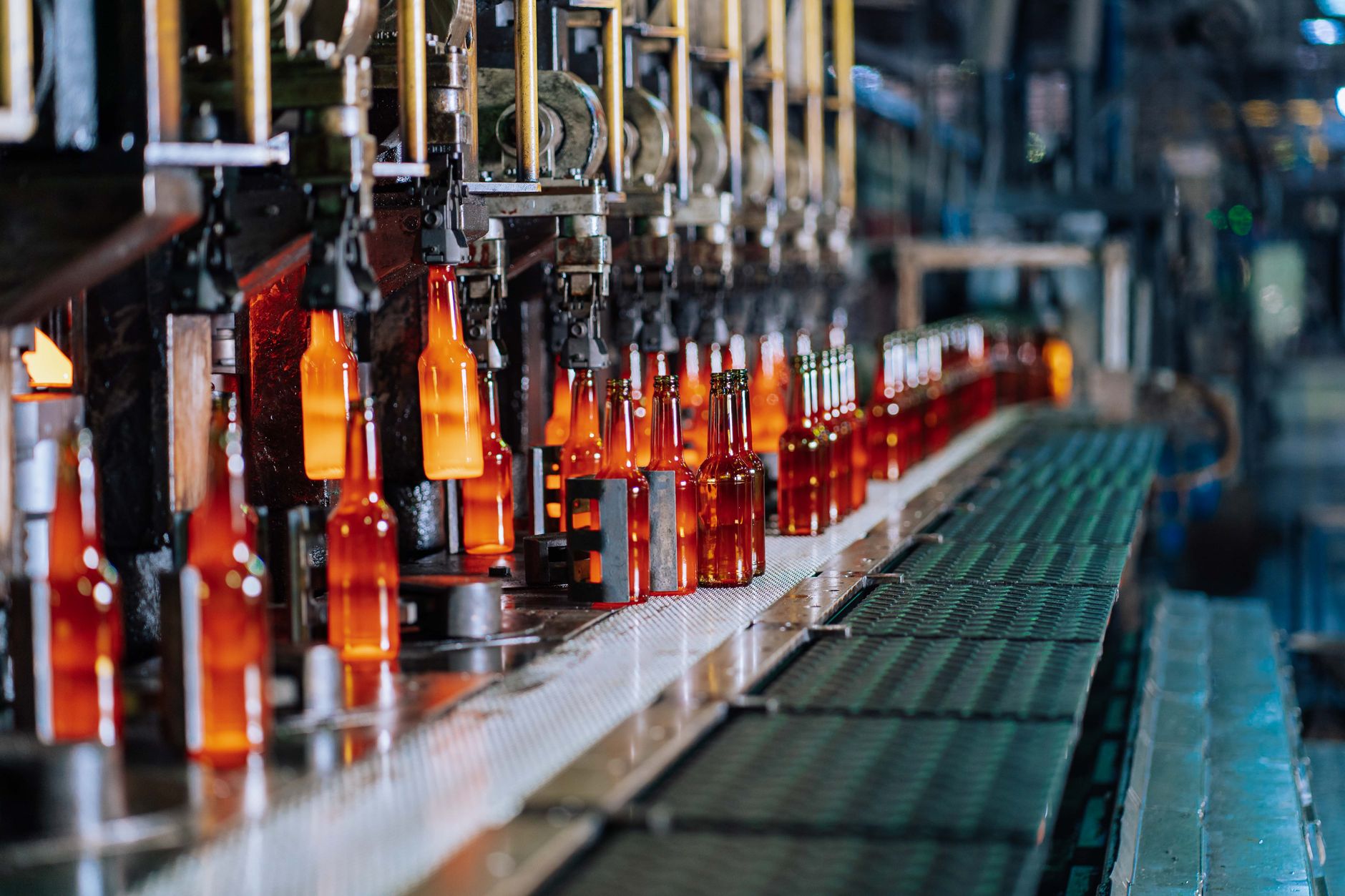
The Indian glass bottle manufacturing sector, a critical component of the packaging industry for beverages, pharmaceuticals, and food products, is currently facing an unprecedented crisis. A severe shortage of natural gas, the primary fuel source for glass furnaces, has forced many manufacturers to drastically cut production, leading to significant financial losses and raising concerns about supply chain stability. This situation is not only impacting the bottle makers but also sending ripples across the industries that rely on their products.
The Core Problem: Natural Gas Scarcity
Glass manufacturing is an energy-intensive process. Furnaces operate at extremely high temperatures, typically between 1400°C and 1600°C, to melt raw materials like sand, soda ash, and limestone. Natural gas has been the preferred fuel due to its efficiency, relatively lower cost, and cleaner burning properties compared to other alternatives. However, recent geopolitical events, increased domestic demand, and supply chain disruptions have led to a sharp decline in the availability of natural gas for industrial consumers in India. This has resulted in a significant price surge for the gas that is available, making it economically unviable for many glass bottle manufacturers to operate at full capacity.
Impact on Production and Operations
The immediate consequence of the gas shortage has been a forced reduction in production. Many factories have had to scale back their operations, leading to:
- Reduced Output: Manufacturers are producing fewer bottles, leading to potential shortages for downstream industries.
- Increased Costs: The cost of available natural gas has skyrocketed, significantly increasing the operational expenses. Even if some manufacturers can secure gas, the price makes their products less competitive.
- Furnace Shutdowns: In extreme cases, some manufacturers have had to shut down their furnaces altogether. Restarting a glass furnace is a complex and expensive process, involving gradual heating over several weeks. A premature shutdown can cause thermal stress and damage to the refractory lining of the furnace, leading to even higher repair costs and downtime.
- Employee Impact: Reduced production often leads to temporary layoffs or reduced working hours for employees, impacting livelihoods.
Financial Strain and Looming Losses
The combination of reduced output and soaring energy costs is pushing the industry into a financial crisis. Many glass bottle manufacturers operate on thin margins, and the current situation is unsustainable. The potential for significant losses is high, with some reports indicating that the industry could face losses running into hundreds of crores of rupees if the situation persists. This financial strain can have long-term implications, affecting the industry's ability to invest in new technology, expand capacity, and remain competitive globally.
Downstream Industry Concerns
The glass bottle industry is a vital link in the supply chain for numerous sectors:
- Beverage Industry: Beer, soft drinks, juices, and spirits manufacturers rely heavily on glass bottles for packaging. A shortage could lead to stockouts and impact sales, especially during peak seasons.
- Pharmaceutical Industry: Many essential medicines are packaged in glass vials and bottles due to their inert nature and ability to preserve the drug's integrity. Supply disruptions here could have serious public health implications.
- Food Industry: Jams, sauces, pickles, and other food products are often packaged in glass jars and bottles.
These industries are now facing uncertainty regarding their packaging supplies. They may be forced to explore alternative packaging materials, which can be costly and time-consuming, or face production halts themselves.
Government and Industry Responses
The Indian government and industry associations are aware of the gravity of the situation. Discussions are underway to find solutions, including:
- Prioritizing Gas Allocation: Advocating for the prioritization of natural gas allocation to critical industries like glass manufacturing.
- Exploring Alternative Fuels: Investigating the feasibility and cost-effectiveness of alternative fuels, such as LPG, propane, or even electricity for certain types of furnaces, although these often come with their own set of challenges and higher costs.
- Import Options: Exploring options for importing natural gas, though this is often subject to global price fluctuations and availability.
- Policy Interventions: Seeking government support through policy interventions or subsidies to mitigate the impact of high energy costs.
Challenges and Future Outlook
The path forward is fraught with challenges. The global natural gas market remains volatile, and a quick resolution to the supply shortage is uncertain. The cost of switching to alternative fuels can be prohibitive for many small and medium-sized enterprises (SMEs) within the glass industry. Furthermore, the long lead times and significant capital investment required for furnace modifications or replacements mean that immediate relief is difficult to achieve.
The industry needs a stable and predictable supply of natural gas at competitive prices to thrive. Without it, the long-term viability of many Indian glass bottle manufacturers is at stake. This crisis underscores the need for a robust energy policy that ensures reliable fuel supply to critical manufacturing sectors, safeguarding not just the industries themselves but also the broader economy and consumer access to essential goods.
Eligibility Criteria for Support (Hypothetical Scenario)
While specific government support measures are still being formulated, hypothetical eligibility criteria for any potential relief package might include:
- Manufacturing Status: Companies must be registered manufacturers of glass bottles and containers.
- Production Capacity: A minimum production capacity might be stipulated.
- Energy Consumption Records: Proof of significant reliance on natural gas for furnace operations.
- Financial Health: Demonstrable impact of the gas shortage on financial performance, such as reduced output or increased costs.
Required Documentation (Hypothetical Scenario)
If support is provided, manufacturers might need to submit:
- Business registration certificates.
- Production data and sales records.
- Energy bills and gas supply agreements.
- Audited financial statements.
- Declarations regarding the impact of the gas shortage.
Potential Charges and Fees (Related to Solutions)
Exploring alternative fuels or modifying furnaces could involve costs such as:
- Fuel Conversion Costs: Expenses related to modifying burners and gas supply systems for alternative fuels like LPG or propane.
- New Equipment Costs: Investment in new furnaces or equipment if a complete switch in energy source is required.
- Consultancy Fees: Costs for expert advice on energy efficiency and fuel switching.
- Permits and Licenses: Fees for any new environmental or operational permits required for alternative fuel usage.
Interest Rates (If Loans for Solutions are Available)
If financial institutions or government schemes offer loans to help manufacturers transition to alternative fuels or upgrade equipment, interest rates would vary based on:
- The specific lending institution (banks, NBFCs, government agencies).
- The borrower's creditworthiness.
- The tenor of the loan.
- Prevailing market interest rates.
These rates could range from competitive commercial rates to potentially subsidized rates under specific government initiatives.
Benefits of Addressing the Crisis
Successfully navigating this crisis offers several benefits:
- Supply Chain Resilience: Ensuring a stable supply of glass packaging for essential industries.
- Economic Stability: Preventing widespread losses and potential bankruptcies within the glass manufacturing sector.
- Job Preservation: Protecting the livelihoods of thousands of workers employed in the industry.
- Innovation: Encouraging the adoption of more energy-efficient technologies and alternative fuel sources, leading to long-term sustainability.
Risks Associated with the Crisis
The risks of inaction or inadequate response are substantial:
- Industry Collapse: Many smaller manufacturers may not survive the prolonged period of high costs and low production.
- Import Dependence: Increased reliance on imported glass containers, potentially at higher costs and with longer lead times.
- Loss of Competitiveness: Indian manufacturers may lose market share to international competitors who have access to more stable and affordable energy sources.
- Impact on Related Industries: Significant disruption to the beverage, pharmaceutical, and food sectors due to packaging shortages.
Frequently Asked Questions (FAQ)
Q1: Why is natural gas so important for glass bottle making?
A1: Glass furnaces require extremely high and stable temperatures (1400-1600°C) to melt raw materials. Natural gas is an efficient, controllable, and relatively clean fuel that provides these necessary temperatures effectively.
Q2: What are the alternatives to natural gas for glass furnaces?
A2: Alternatives include Liquefied Petroleum Gas (LPG), propane, fuel oil, and electricity. However, switching often requires significant modifications to furnaces and can be more expensive or less efficient depending on the technology.
Q3: How long will the gas shortage likely last?
A3: The duration is uncertain and depends on global supply-demand dynamics, domestic production, and government policies. It could persist for several months or longer.
Q4: Can glass bottle manufacturers easily switch to alternative fuels?
A4: Switching is a complex and costly process. It requires substantial capital investment for furnace modifications, new storage facilities, and potentially changes in operational procedures. It is particularly challenging for smaller manufacturers.
Q5: What is the impact on the price of glass bottles?
A5: Due to increased production costs (especially energy), manufacturers are likely to increase prices. If shortages persist, prices could rise significantly.
Q6: Will this affect the availability of medicines packaged in glass?
A6: Potentially, yes. The pharmaceutical industry relies on glass for sterile packaging. Supply disruptions could impact the availability of certain essential medicines.
Q7: What steps can downstream industries take?
A7: They can explore alternative packaging materials, build buffer stocks if possible, and work closely with their glass bottle suppliers to understand supply capabilities. Diversifying suppliers might also be an option.