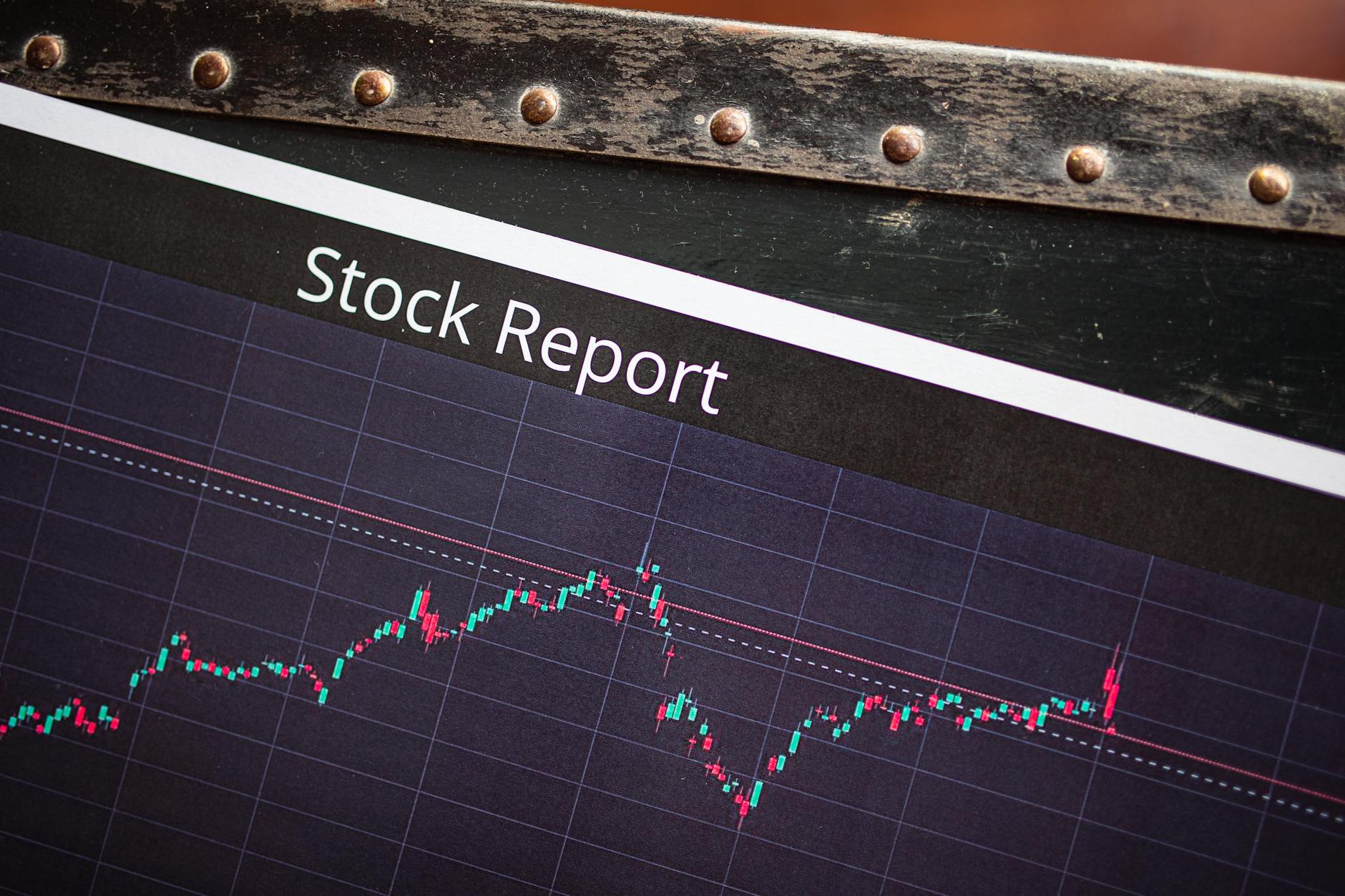
The Australian share market experienced a rebound, mirroring a positive trend in global markets. However, the initial gains were trimmed as news emerged that Iran had denied reports of potential talks with the United States. This development introduced a note of caution, influencing investor sentiment and leading to a moderation of earlier optimism. The S&P/ASX 200 index, a key benchmark for the Australian equity market, saw fluctuations throughout the trading session. While it opened higher, driven by broader positive sentiment and a recovery in commodity prices, the denial from Iran cast a shadow, prompting some profit-taking and a reassessment of risk appetite.
Market Performance and Influencing Factors
The initial surge in the Australian market was partly attributed to a broader recovery in Asian markets, which were themselves influenced by overnight gains on Wall Street. Positive corporate earnings reports and a general easing of geopolitical tensions in other regions had contributed to a more optimistic outlook. However, the situation surrounding Iran and its potential interactions with the US remains a significant geopolitical factor that investors closely monitor. Any indication of escalation or prolonged uncertainty in this region can quickly dampen market enthusiasm. The denial of talks, in particular, suggests that diplomatic channels may not be as open as previously hoped, leading to renewed concerns about potential trade disruptions or broader regional instability.
Key Sectors and Their Movements
Within the ASX 200, various sectors reacted differently to the evolving news. The mining and energy sectors, often sensitive to global economic outlooks and commodity prices, initially benefited from the broader market upturn. However, the trimming of gains suggests that the geopolitical uncertainty may have tempered the enthusiasm for these cyclical stocks. Technology and financial stocks also experienced volatility, reflecting a broader market sentiment shift. Investors tend to become more risk-averse when geopolitical clouds gather, which can impact growth-oriented technology companies and the financial sector, which is closely tied to overall economic health.
Global Economic Context
The Australian market's performance is intrinsically linked to global economic trends. Recent data releases from major economies, including the US and China, have provided mixed signals. While some indicators point towards resilience, others suggest a potential slowdown. The ongoing trade negotiations between the US and China, although showing some progress, continue to be a source of underlying market anxiety. The Federal Reserve's monetary policy stance also remains a key focus, with markets keenly awaiting signals on future interest rate decisions. Any indication of a more hawkish stance could lead to tighter financial conditions globally, impacting investment flows into markets like Australia.
Impact of Geopolitical Developments
Geopolitical events, such as the situation involving Iran and the US, have a profound impact on financial markets. They can influence currency exchange rates, commodity prices, and investor confidence. In this instance, the denial of talks by Iran has reintroduced an element of uncertainty, prompting a reassessment of risk premiums across various asset classes. For investors, it underscores the importance of diversification and maintaining a long-term perspective, as short-term market movements can be driven by unpredictable geopolitical events.
Commodity Prices and Australian Economy
Australia, being a major exporter of commodities like iron ore and coal, is particularly sensitive to fluctuations in global commodity prices. The initial rebound in these prices provided a tailwind for the Australian market. However, sustained gains are often dependent on robust global demand, particularly from China, and a stable geopolitical environment. Any disruption to supply chains or a significant slowdown in global manufacturing can quickly impact commodity prices and, consequently, the Australian economy and its stock market.
Investor Sentiment and Risk Appetite
Investor sentiment is a crucial driver of market movements. Positive news and a stable outlook tend to foster optimism and encourage investment, leading to higher asset prices. Conversely, negative news, such as geopolitical tensions or economic uncertainty, can lead to fear and a sell-off as investors seek safer havens. The trimming of gains in the Australian market suggests a shift in sentiment from optimism to caution, reflecting a reduced risk appetite among investors following the denial of talks by Iran.
Looking Ahead: Potential Market Drivers
Moving forward, several factors will likely shape the trajectory of the Australian share market. Key among these will be further developments in the geopolitical landscape, particularly concerning US-Iran relations. Additionally, upcoming economic data releases from major economies, corporate earnings reports, and central bank policy decisions will play a significant role. Investors will be closely watching for any signs of de-escalation in geopolitical tensions and a clearer path towards global economic stability. The performance of commodity prices and the health of China's economy will also remain critical determinants for the Australian market.
Strategies for Investors
In an environment characterized by volatility and geopolitical uncertainty, investors are often advised to adopt a prudent approach. This may include:
- Diversification: Spreading investments across different asset classes, sectors, and geographies can help mitigate risk.
- Long-term Perspective: Focusing on long-term investment goals rather than short-term market fluctuations can lead to better outcomes.
- Quality Investments: Investing in fundamentally strong companies with robust balance sheets and sustainable business models can provide resilience during downturns.
- Risk Management: Understanding one's risk tolerance and investing accordingly is crucial.
Conclusion
The Australian share market's performance on this day highlighted the delicate balance between positive economic indicators and the pervasive influence of geopolitical events. While the initial rebound offered a glimmer of optimism, the denial of potential US-Iran talks served as a stark reminder of the uncertainties that can quickly alter market dynamics. Investors will continue to navigate these complexities, seeking opportunities while remaining vigilant to the evolving global landscape. The interplay of economic fundamentals, commodity prices, and geopolitical developments will dictate the market's path in the coming sessions.
Frequently Asked Questions (FAQ)
- What caused the Australian market to rebound initially?
The rebound was influenced by positive sentiment in global markets, particularly overnight gains on Wall Street, and a recovery in commodity prices. - Why did the market trim its gains?
The gains were trimmed after Iran denied reports of potential talks with the United States, introducing geopolitical uncertainty and prompting investors to reassess risk. - How do geopolitical events affect the Australian stock market?
Geopolitical events can influence investor confidence, commodity prices, currency exchange rates, and overall market sentiment, leading to volatility. - What are the key factors to watch for the Australian market?
Key factors include geopolitical developments, global economic data, corporate earnings, central bank policies, commodity prices, and China's economic performance. - What is the S&P/ASX 200?
The S&P/ASX 200 is a stock market index representing the performance of the 200 largest stocks listed on the Australian Securities Exchange (ASX) by market capitalization.
Important Practical Notes
Always verify the latest bank or lender terms directly on official websites before applying. Interest rates, charges, and eligibility can vary by profile, location, and policy updates.
Quick Checklist Before You Apply
Compare offers from multiple providers.
Check hidden charges and processing fees.
Review repayment terms and penalties carefully.
Keep required KYC and income documents ready.