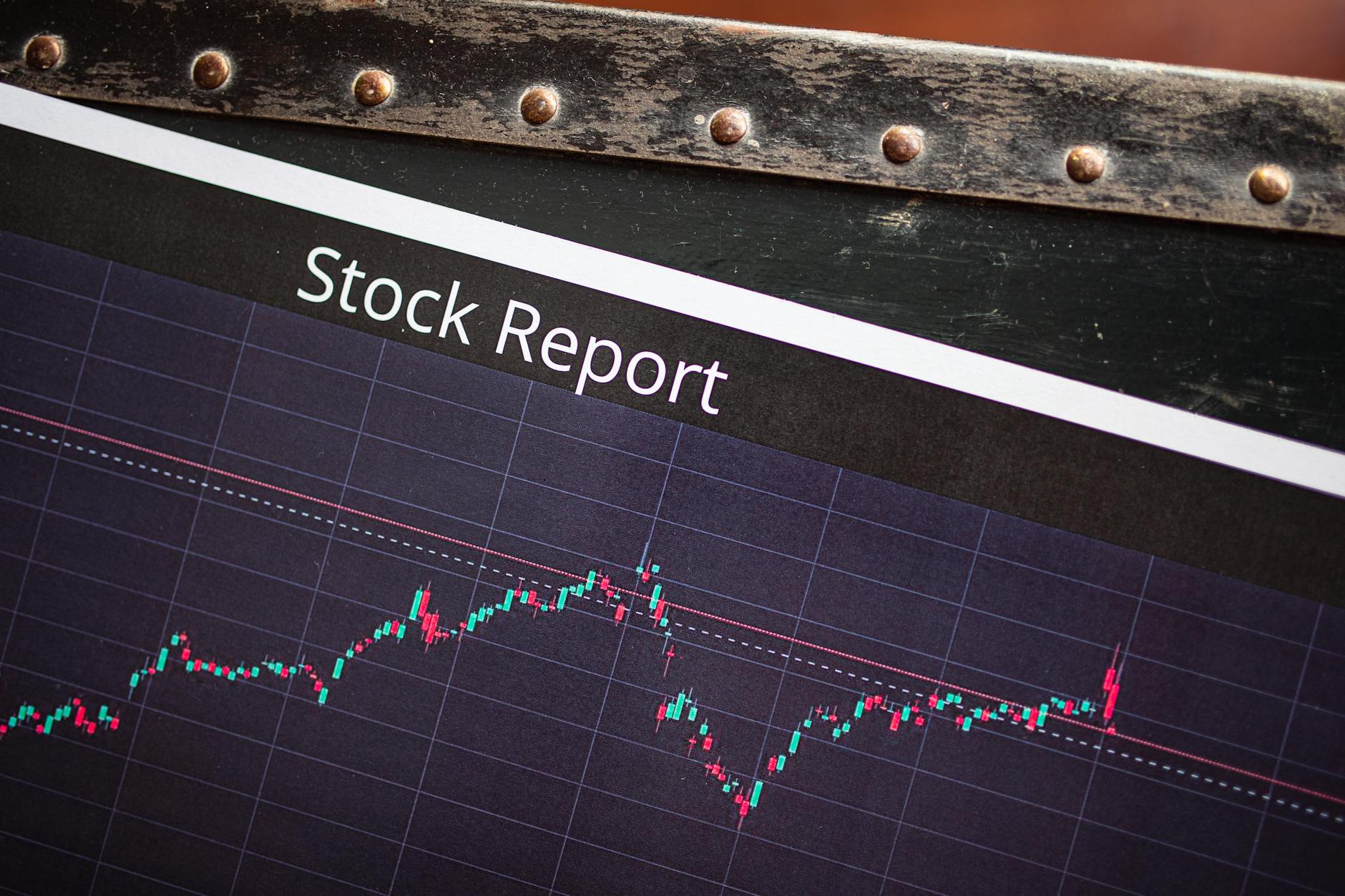
The global financial markets are experiencing significant turbulence today, with major US stock indices like the Dow Jones Industrial Average, Nasdaq Composite, and S&P 500 witnessing sharp declines. This downturn is largely attributed to a confluence of factors, with surging oil prices and their ripple effects on inflation and corporate earnings taking center stage. Tech stocks, in particular, appear to be bearing the brunt of this sell-off, falling at a faster pace than the broader market. This article delves into the intricate reasons behind today's stock market crash, exploring the impact of oil prices, inflation concerns, interest rate hikes, and the specific vulnerabilities of the technology sector.
The Oil Price Shock and its Market Implications
One of the primary drivers of the current market downturn is the dramatic surge in crude oil prices. Several geopolitical events and supply-side constraints have contributed to this spike. The ongoing conflict in Eastern Europe has disrupted global energy supplies, leading to uncertainty and a premium on oil. Additionally, production cuts by major oil-producing nations and a robust global demand recovery post-pandemic have further exacerbated the situation.
The immediate consequence of higher oil prices is increased inflation. Energy is a fundamental component of almost every economic activity, from transportation and manufacturing to agriculture. When oil prices rise, the cost of producing and transporting goods and services increases, leading to higher prices for consumers. This inflationary pressure erodes purchasing power and can dampen consumer spending, a critical engine of economic growth.
For businesses, higher energy costs translate into reduced profit margins, especially for energy-intensive industries. Companies may be forced to pass these costs onto consumers, further fueling inflation, or absorb them, thereby impacting their profitability and stock valuations. This is particularly concerning for sectors that rely heavily on transportation and logistics.
Inflation Fears and the Federal Reserve's Response
The persistent rise in inflation, now amplified by the oil price shock, has become a major concern for investors and policymakers alike. Central banks worldwide, including the US Federal Reserve, are under immense pressure to curb inflation. The primary tool at their disposal is raising interest rates.
Higher interest rates make borrowing more expensive for both consumers and businesses. This can lead to a slowdown in economic activity as individuals postpone major purchases like homes and cars, and companies scale back on investments and expansion plans. For the stock market, rising interest rates have a direct negative impact. Future corporate earnings are discounted at a higher rate, making them less valuable in today's terms. This can lead to a re-evaluation of stock prices, often resulting in a decline.
The Federal Reserve has signaled its intention to aggressively raise interest rates to combat inflation. This hawkish stance has created a sense of apprehension in the market, as investors anticipate a period of slower economic growth and potentially a recession. The market's reaction today is a clear reflection of these heightened fears.
Why Tech Stocks Are Falling Faster
The technology sector, which has been a darling of investors for years, is proving to be particularly vulnerable in the current market environment. Several factors contribute to this accelerated decline:
- Valuation Concerns: Many tech companies, especially growth-oriented ones, were trading at very high valuations based on expectations of rapid future earnings growth. As interest rates rise, these future earnings become less attractive, leading to a significant downward revision of their perceived value.
- Dependence on Future Growth: Tech companies often rely on sustained economic growth to fuel their expansion and innovation. A potential economic slowdown or recession directly threatens their growth prospects, making them riskier investments.
- Interest Rate Sensitivity: Technology companies, particularly those that are not yet profitable or are reinvesting heavily, are more sensitive to interest rate changes. Higher borrowing costs can impede their ability to fund research and development, acquisitions, and expansion.
- Shifting Investor Sentiment: In times of uncertainty and rising inflation, investors tend to move away from riskier assets and seek safer havens. Growth stocks, often associated with higher risk, are typically the first to be sold off as investors de-risk their portfolios.
- Supply Chain Issues: While not solely a tech issue, many tech companies are still grappling with global supply chain disruptions, which can impact production and profitability.
Other Contributing Factors
Beyond oil prices and inflation, other factors are also contributing to the market's woes:
- Geopolitical Tensions: The ongoing geopolitical instability, particularly the conflict in Eastern Europe, continues to create uncertainty and risk aversion among investors.
- Corporate Earnings Season: As companies report their quarterly earnings, any signs of weakening profitability or downward guidance can trigger sell-offs. Investors are closely scrutinizing earnings reports for signs of stress.
- Global Economic Slowdown Fears: Concerns about a potential global economic slowdown or recession are mounting, influenced by rising inflation, aggressive monetary tightening, and ongoing geopolitical issues.
What This Means for Indian Investors
While today's market movements are in the US, they have ripple effects across global markets, including India. Indian investors should be aware of the following:
- Global Market Correlation: Indian stock markets often move in tandem with global markets, especially during periods of significant volatility.
- Impact on Indian Companies: Indian companies with significant exposure to international markets, particularly the US, or those reliant on imported commodities like oil, may see their performance affected.
- Currency Fluctuations: A strengthening US dollar, often seen during times of global uncertainty, can impact the Indian Rupee, affecting import costs and foreign investment flows.
- Increased Volatility: Investors should brace for increased volatility in the Indian market as well.
Navigating the Current Market Climate
For investors, this is a challenging period. However, a prudent approach can help navigate these turbulent times:
- Stay Informed: Keep abreast of economic news, geopolitical developments, and central bank policies.
- Review Your Portfolio: Assess your risk tolerance and ensure your portfolio is diversified across different asset classes and geographies.
- Focus on Fundamentals: In volatile markets, focusing on companies with strong fundamentals, stable earnings, and robust balance sheets can be a more resilient strategy.
- Long-Term Perspective: Avoid making impulsive decisions based on short-term market fluctuations. Maintain a long-term investment horizon.
- Consult a Financial Advisor: If you are unsure about how to manage your investments during this period, consider seeking advice from a qualified financial advisor.
Frequently Asked Questions (FAQ)
Q1: Is this a recession?
While the current market downturn is significant, it is not yet definitively a recession. A recession is typically defined as a significant decline in economic activity spread across the economy, lasting more than a few months, normally visible in real GDP, real income, employment, industrial production, and wholesale-retail sales. However, the current economic conditions, including high inflation and aggressive interest rate hikes, increase the risk of a recession.
Q2: Should I sell all my stocks?
Selling all your stocks in a panic can often lead to locking in losses. It's generally advisable to avoid making rash decisions. Instead, focus on your long-term financial goals and risk tolerance. If your portfolio is misaligned with your risk profile, consider rebalancing rather than a complete sell-off.
Q3: How do rising oil prices affect my daily life?
Rising oil prices directly impact the cost of fuel for vehicles, leading to higher transportation costs. This, in turn, increases the prices of goods and services that rely on transportation, from groceries to manufactured products. It can also lead to higher utility bills if energy generation relies on oil or natural gas.
Q4: What is the role of the Federal Reserve in this situation?
The US Federal Reserve's primary role is to manage monetary policy to achieve maximum employment and stable prices. In the current scenario, with high inflation, the Fed is raising interest rates to cool down the economy and bring inflation under control. This action, while necessary to combat inflation, can also slow economic growth and impact the stock market.
Q5: Are tech stocks a good investment right now?
Tech stocks are currently facing significant headwinds due to rising interest rates and concerns about future growth. While some tech companies may offer long-term potential, investors should exercise caution and conduct thorough research. Valuations, profitability, and the company's ability to navigate an economic slowdown are crucial factors to consider.