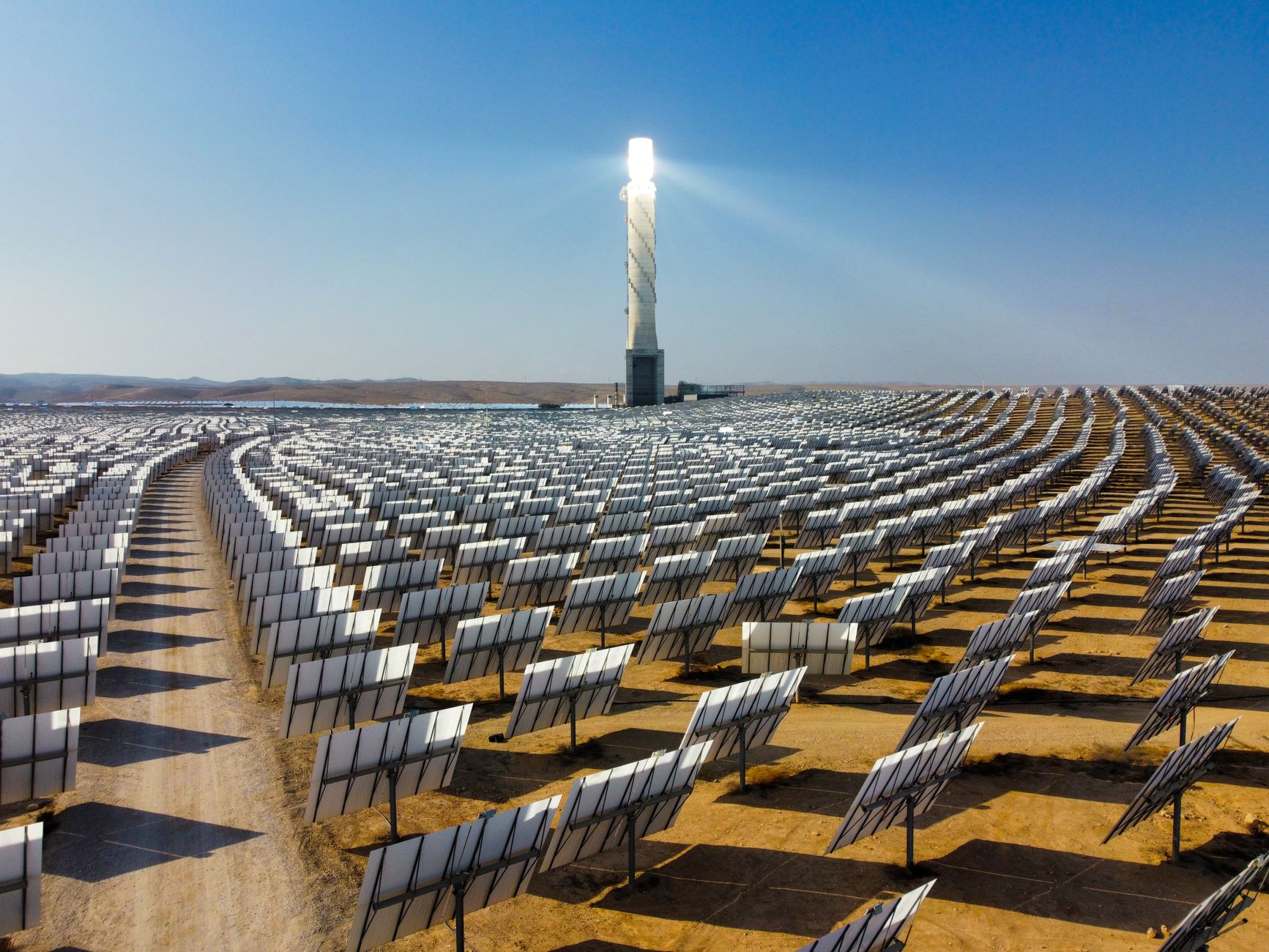
In the dynamic world of renewable energy, certain companies capture investor attention due to their growth potential, market position, and strategic initiatives. Waaree Energies, a prominent player in India's solar energy sector, is one such entity that has been frequently in the news. This article delves into why Waaree Energies is currently a focal point for stakeholders and outlines five key factors that investors and industry observers should watch closely. Understanding these elements can provide valuable insights into the company's future trajectory and its impact on the broader renewable energy landscape in India.
Understanding Waaree Energies' Position in the Market
Waaree Energies is a diversified renewable energy solutions provider with a significant presence across the entire solar value chain. Its operations encompass solar module manufacturing, EPC (Engineering, Procurement, and Construction) services for solar projects, solar rooftop solutions for residential, commercial, and industrial customers, and solar distribution. This integrated business model allows Waaree to leverage synergies and maintain a competitive edge. The company has consistently been among the top solar module manufacturers in India and has a substantial track record in executing large-scale solar power projects. Its commitment to innovation and quality has cemented its reputation in a rapidly evolving market.
The Growing Importance of Renewable Energy in India
India has set ambitious targets for renewable energy capacity addition, driven by a need for energy security, environmental sustainability, and economic growth. The government's policies, such as the National Solar Mission and various incentives for solar power deployment, have created a conducive environment for companies like Waaree Energies. The increasing global focus on climate change and the declining costs of solar technology further bolster the prospects of the renewable energy sector. As India aims to achieve its Net Zero emissions target by 2070, the role of solar energy and companies at the forefront of its development becomes increasingly critical. This macro trend provides a strong tailwind for Waaree Energies.
Key Factor 1: Manufacturing Capacity Expansion and Technology Upgradation
A crucial aspect to monitor for Waaree Energies is its ongoing and planned expansion of manufacturing capacities. The company has been investing heavily in increasing its solar module manufacturing capabilities, including the production of high-efficiency modules like TOPCon and HJT. Expansion in manufacturing capacity is vital for several reasons:
- Meeting Growing Demand: India's demand for solar modules is projected to grow significantly, driven by utility-scale projects, commercial installations, and rooftop solar adoption. Waaree's ability to scale up production will directly impact its market share.
- Cost Competitiveness: Larger manufacturing volumes often lead to economies of scale, enabling companies to reduce production costs and offer more competitive pricing. This is crucial in a price-sensitive market like solar.
- Technological Advancement: Investing in advanced manufacturing technologies ensures that Waaree's products remain competitive in terms of efficiency and performance. Staying ahead in technology is key to capturing a larger share of the premium market segment.
Investors should look for announcements regarding new plant setups, capacity additions, and the adoption of next-generation solar cell technologies. The company's ability to execute these expansion plans efficiently and within budget will be a significant indicator of its future success.
Key Factor 2: Order Book and Project Pipeline
Waaree Energies derives a substantial portion of its revenue from EPC services and the supply of solar modules for large-scale projects. Therefore, the company's order book and project pipeline are critical indicators of its near-to-medium term revenue visibility and growth prospects. Monitoring the order book involves looking at:
- Size and Value: The total value of secured orders provides a clear picture of future revenue streams.
- Project Mix: Understanding the types of projects (utility-scale, commercial, rooftop) and their geographical distribution can offer insights into market diversification and risk.
- New Orders and Tenders: Keeping track of new contract wins and participation in government tenders is essential for assessing future growth opportunities.
A robust and growing order book signifies strong demand for Waaree's services and products, indicating its competitive strength and market acceptance. Conversely, a shrinking or stagnant order book could signal challenges in securing new business.
Key Factor 3: Financial Performance and Profitability
Like any business, Waaree Energies' financial health is paramount. Investors and analysts closely scrutinize its financial statements to assess its performance and sustainability. Key financial metrics to watch include:
- Revenue Growth: Consistent year-on-year revenue growth is a positive sign, reflecting increasing sales and market penetration.
- Profitability Margins: Analyzing gross profit margins, operating profit margins, and net profit margins helps understand the company's efficiency in operations and pricing power. The solar module manufacturing business can be cyclical and subject to margin pressures due to raw material price volatility and competition.
- Debt Levels and Cash Flow: Monitoring the company's debt-to-equity ratio and its ability to generate positive cash flow from operations is crucial for assessing financial stability and its capacity to fund future growth initiatives.
- Return on Equity (ROE) and Return on Capital Employed (ROCE): These metrics indicate how effectively the company is using its capital to generate profits.
Waaree's ability to maintain healthy profitability while expanding its operations and managing its debt will be a key determinant of its long-term value creation.
Key Factor 4: Government Policies and Regulatory Environment
The renewable energy sector in India is heavily influenced by government policies and regulations. Changes in policies related to solar module manufacturing, import duties, subsidies, and renewable energy targets can significantly impact companies like Waaree Energies. Factors to consider include:
- Manufacturing Linked Incentives (PLI): Waaree is a beneficiary of India's Production Linked Incentive schemes for solar PV modules. The continuation, modification, or expansion of these schemes can directly affect the company's cost structure and competitiveness.
- Import Duties and Safeguard Duties: Government decisions on imposing or removing duties on imported solar cells and modules can alter the competitive landscape, impacting both domestic manufacturers and project developers.
- Renewable Purchase Obligations (RPO): Mandates for power distribution companies (DISCOMs) to procure a certain percentage of their energy from renewable sources drive demand for solar projects.
- Land Acquisition and Grid Connectivity: Policies and processes related to land acquisition for solar farms and ensuring timely grid connectivity are critical for project execution.
Waaree's ability to navigate the evolving policy landscape and adapt to regulatory changes will be crucial for its sustained growth.
Key Factor 5: Global Expansion and Diversification
While Waaree Energies has a strong domestic focus, its strategic moves towards global expansion and diversification into related areas are also important to watch. These could include:
- International Market Entry: Exploring opportunities in overseas markets for module sales or project development can open new revenue streams and reduce dependence on the Indian market.
- New Product Development: Diversifying into areas such as solar energy storage solutions, electric vehicle charging infrastructure, or other green technologies could provide additional growth avenues.
- Strategic Partnerships and Acquisitions: Collaborations or acquisitions can help Waaree gain access to new technologies, markets, or capabilities.
Successful international expansion and strategic diversification can enhance Waaree's resilience, broaden its market reach, and create new avenues for value creation, making it a more robust player in the global energy transition.
Conclusion: A Watchful Eye on Waaree Energies
Waaree Energies stands as a significant entity in India's burgeoning renewable energy sector. Its integrated business model, strong manufacturing base, and participation in key government initiatives position it well for future growth. However, the company operates in a dynamic and competitive environment. By closely monitoring its manufacturing capacity expansion, order book health, financial performance, the evolving policy landscape, and its strategic diversification efforts, investors and industry watchers can gain a comprehensive understanding of Waaree Energies' potential and its role in shaping India's clean energy future. The company's ability to execute its growth strategies effectively while navigating market challenges will be key to its continued success.
Frequently Asked Questions (FAQ)
- What is Waaree Energies' primary business?
Waaree Energies is primarily involved in solar module manufacturing, EPC services for solar projects, solar rooftop solutions, and solar distribution. - Is Waaree Energies a publicly listed company?
As of the current information, Waaree Energies is a privately held company and is not listed on Indian stock exchanges. - What are the key drivers for Waaree Energies' growth?
Key growth drivers include India's increasing demand for solar energy, government policies supporting renewables, expansion of manufacturing capacity, and diversification into new energy solutions. - What are the main risks associated with investing in a company like Waaree Energies?
Risks include intense competition, volatility in raw material prices (like polysilicon), changes in government policies, execution risks in large projects, and potential margin pressures. - How does Waaree Energies contribute to India's renewable energy goals?
Waaree contributes by manufacturing solar modules, developing solar power projects, and providing rooftop solar solutions, thereby increasing India's installed solar capacity and reducing reliance on fossil fuels.