Introduction
A personal loan is helpful during financial needs, but sometimes the interest rate becomes too high. In such cases, borrowers look for better options to reduce EMI and save money.
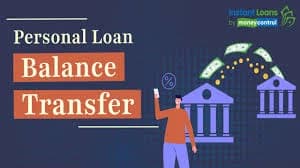
Understanding how to transfer personal loan helps you shift your existing loan to another lender with lower interest rates and better repayment terms. This process is also called a balance transfer.
What is Personal Loan Transfer?
Personal loan transfer means moving your existing loan from one bank or lender to another.
The new lender pays off your old loan, and you continue repayment with them.
This is done to:
Reduce interest rate
Lower EMI amount
Get better repayment terms
It helps borrowers manage debt more easily.
Why People Transfer Personal Loans
Many people choose loan transfer to reduce financial burden.
Lower Interest Rate
New lenders may offer lower interest compared to your current loan.
Reduce EMI
A lower rate or longer tenure can reduce monthly EMI.
Better Loan Terms
Some lenders offer flexible repayment options.
Save Money
Over time, lower interest means big savings.
How to Transfer Personal Loan
To transfer your personal loan, first compare offers from different banks and NBFCs.
Check interest rates, processing fees, and total repayment cost before deciding.
Once you choose a lender, apply for a balance transfer request. The new lender will verify your credit score, income, and existing loan details.
If approved, the new lender will pay your remaining loan balance to the old bank.
After that, you start repaying the new lender with revised EMI and terms.
Eligibility for Personal Loan Transfer
Not everyone qualifies for a loan transfer.
Good Credit Score
A strong credit score increases approval chances.
Regular EMI Payment
No missed payments improve eligibility.
Stable Income
Steady income shows repayment ability.
Existing Loan Status
You should have completed a few EMIs before transfer.
Documents Required for Loan Transfer
You may need basic documents such as:
Identity proof
Address proof
Income proof
Loan statement from existing lender
Bank statements
These help the new lender verify your profile.
Benefits of Personal Loan Transfer
Lower EMI Burden
Monthly payments become easier to manage.
Reduced Interest Cost
You pay less total interest over time.
Better Financial Control
Helps in improving monthly budgeting.
Flexible Repayment Options
Some lenders offer longer repayment tenure.
Things to Check Before Transfer
Processing Fees
Some lenders charge fees for loan transfer.
Foreclosure Charges
Your existing bank may charge early closure fees.
Total Savings
Always calculate whether transfer actually saves money.
New Loan Terms
Check interest rate and EMI carefully before switching.
Common Mistakes to Avoid
Not Comparing Lenders
Always compare multiple offers before deciding.
Ignoring Hidden Charges
Fees can reduce your savings.
Extending Tenure Too Much
Longer tenure may increase total interest.
Applying Without Credit Check
Low credit score can lead to rejection.
Tips to Transfer Personal Loan Smartly
Maintain good credit score before applying
Compare at least 3–5 lenders
Check total repayment cost, not just EMI
Avoid unnecessary loan extensions
Keep documents ready for faster approval
These steps help you get maximum benefit from loan transfer.
When Should You Transfer Personal Loan?
You should consider loan transfer when:
Your current interest rate is high
Market rates have dropped
Your credit score has improved
You want lower EMI
You need better repayment flexibility
Timing plays an important role in savings.
Conclusion
Understanding how to transfer personal loan helps you reduce financial pressure and save money on interest. It is a smart option if your current loan is expensive or not flexible.
By comparing lenders, checking charges, and maintaining a good credit score, you can successfully switch to a better loan and improve your financial comfort.
FAQs
1. What is personal loan transfer?
It is the process of shifting your existing loan to another lender for better interest rates or terms.
2. Does loan transfer reduce EMI?
Yes, loan transfer can reduce EMI if the new lender offers lower interest or longer tenure.
3. Is personal loan transfer good?
Yes, it is useful if it helps you save money on interest and improves repayment conditions.
4. Are there charges for loan transfer?
Yes, some banks may charge processing fees and foreclosure charges from the old lender.
5. How long does loan transfer take?
It usually takes a few days depending on document verification and approval process.
6. Can I transfer loan with bad credit score?
It is difficult, but possible with strong income or collateral support from some lenders.