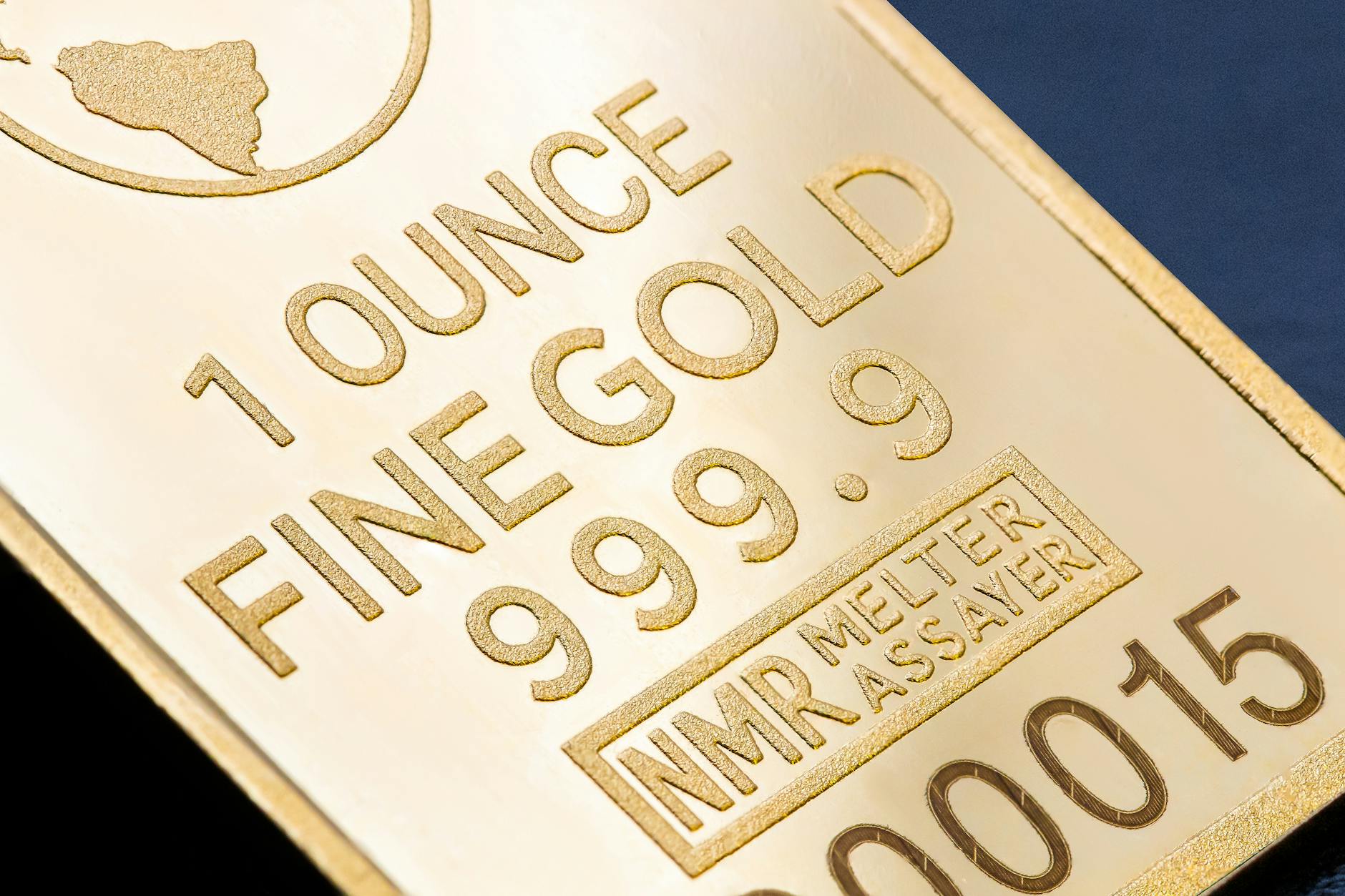
In the realm of personal finance, choosing the right investment avenue is paramount to achieving your financial goals. For Indian investors, two popular and relatively safe options often come up for consideration: Gold and Fixed Deposits (FDs). Both offer distinct advantages and disadvantages, catering to different risk appetites and financial objectives. This comprehensive guide aims to dissect the nuances of investing in Gold versus FDs, helping you make an informed decision tailored to your specific needs. Understanding Fixed Deposits (FDs) A Fixed Deposit is a financial instrument offered by banks and Non-Banking Financial Companies (NBFCs) that provides investors with a fixed rate of return over a predetermined period. It's a cornerstone of conservative investment strategies due to its inherent safety and predictable returns. When you invest in an FD, you deposit a lump sum amount with the financial institution for a tenure ranging from a few days to several years. In return, the institution promises to pay you a fixed interest rate, which can be compounded or paid out periodically. Key Features of FDs: Safety: FDs offered by scheduled commercial banks are insured by the Deposit Insurance and Credit Guarantee Corporation (DICGC) up to ₹5 lakh per depositor, per bank. This makes them one of the safest investment options available. Predictable Returns: The interest rate on an FD is fixed at the time of booking and remains constant throughout the tenure, offering certainty in returns. Liquidity: While FDs are meant for a fixed term, premature withdrawal is usually allowed, albeit with a penalty (lower interest rate). This provides a degree of liquidity. Taxation: Interest earned on FDs is taxable as per your income tax slab. However, Section 80C of the Income Tax Act allows for tax deductions on investments in tax-saving FDs (5-year tenure). Loan Facility: You can avail of a loan against your FD, using it as collateral. Eligibility for FDs: Generally, any resident Indian individual, including minors (through a guardian), HUFs, and companies, can open an FD account. Non-Resident Indians (NRIs) can also open NRO and NRE fixed deposits. Documents Required for FDs: The documents required are typically the same as opening a savings account: Proof of Identity (Aadhaar card, PAN card, Voter ID, Passport) and Proof of Address (Aadhaar card, utility bills, passport). Charges and Fees for FDs: The primary 'charge' associated with FDs is the penalty levied for premature withdrawal, which usually involves a reduction in the interest rate. There are no other significant fees for booking or holding an FD. Interest Rates on FDs: Interest rates vary across banks and depend on the tenure and the amount deposited. Currently, rates can range from 3% to 7.5% or even higher for special FDs or for senior citizens. It's crucial to compare rates before booking. Benefits of FDs: High safety and capital preservation. Guaranteed returns, making financial planning easier. Option for regular income through periodic interest payouts. Tax benefits available for specific types (5-year tax-saving FDs). Liquidity through loan facility or premature withdrawal. Risks Associated with FDs: Inflation Risk: If the interest rate is lower than the inflation rate, your real returns will be negative, eroding your purchasing power. Interest Rate Risk: If interest rates rise after you've booked an FD, you'll be locked into a lower rate. Tax Burden: Interest income is taxable, which can reduce your net returns, especially for those in higher tax brackets. Understanding Gold as an Investment Gold has been a store of value for centuries, revered for its intrinsic worth and its ability to act as a hedge against inflation and economic uncertainty. In India, gold holds significant cultural importance, often purchased during festivals and auspicious occasions. Investment in gold can be done through physical forms (coins, bars, jewelry) or financial instruments like Gold ETFs, Gold Mutual Funds, Sovereign Gold Bonds (SGBs), and Digital Gold. Key Features of Gold Investment: Hedge Against Inflation: Historically, gold prices tend to rise when inflation is high, preserving the purchasing power of your money. Portfolio Diversification: Gold often moves inversely to equities and bonds, making it a good diversifier in an investment portfolio. Liquidity: Physical gold can be sold easily, though making charges and purity issues can affect the price. Gold ETFs and SGBs are also relatively liquid. Global Demand: Gold prices are influenced by global economic and political factors, making them subject to international market dynamics. No Regular Income: Unlike FDs, gold does not generate any regular income (like interest or dividends). Returns are purely from capital appreciation. Eligibility for Gold Investment: Anyone can invest in gold. For Sovereign Gold Bonds (SGBs), Indian residents, including individuals, HUFs, trusts, and NRIs (subject to certain conditions), are eligible. For Gold ETFs and Mutual Funds, standard investment eligibility applies. Documents Required for Gold Investment: For physical gold, no specific documents are usually required for small purchases, but for larger amounts or for hallmarking, identity proof might be needed. For SGBs, Gold ETFs, and Mutual Funds, standard KYC documents (PAN, Aadhaar, etc.) are mandatory. Charges and Fees for Gold Investment: Physical Gold: Making charges (for jewelry), purity concerns, and potential storage costs (safe deposit lockers). Gold ETFs/Mutual Funds: Expense ratios, brokerage fees, and Securities Transaction Tax (STT). Sovereign Gold Bonds (SGBs): No recurring charges, but brokerage might apply if traded on exchanges. Interest Rates/Returns on Gold: Gold does not offer interest. Returns are solely based on the appreciation of its market price. Historically, gold has provided an average annual return of around 8-10% over the long term, but this can be highly volatile year-on-year. Benefits of Gold Investment: Excellent hedge against inflation and currency devaluation. Acts as a safe haven during economic and geopolitical turmoil. Diversifies investment portfolio, reducing overall risk. Sovereign Gold Bonds offer an additional 2.5% annual interest on the nominal value, paid semi-annually, and are tax-free on redemption. Risks Associated with Gold Investment: Price Volatility: Gold prices can fluctuate significantly in the short term due to market sentiment, global events, and currency movements. No Income Generation: Unlike FDs, gold doesn't provide regular income. Storage and Security: Physical gold requires secure storage, which can incur costs and risks (theft). Purity Issues: Ensuring the purity of physical gold can be a challenge, impacting its resale value. Taxation: Capital gains tax is applicable on the sale of gold, with different rates for short-term and long-term gains. Gold vs. FD: A Comparative Analysis Let's break down the key differences and similarities: Risk Profile: FDs: Low risk. Principal and interest are generally guaranteed (up to DICGC limits). Suitable for risk-averse investors. Gold: Moderate to High risk. Prices are volatile and depend on market forces. Suitable for investors with a higher risk tolerance or those seeking diversification. Returns: FDs: Fixed and predictable. Typically lower than potential gold returns but more consistent. Current rates hover around 3-7.5%. Gold: Variable and potentially higher. Historically, long-term returns have been competitive, but short-term performance can be erratic. SGBs offer a guaranteed interest component plus capital appreciation. Inflation Hedge: FDs: Poor hedge against inflation if interest rates are lower than inflation. Real returns can be negative. Gold: Generally considered a good hedge against inflation, especially over the long term. Liquidity: FDs: Relatively liquid. Premature withdrawal is possible with a penalty. Loans against FDs are readily available. Gold: Physical gold is liquid but may involve making charges and purity deductions. Gold ETFs and SGBs offer good liquidity on exchanges. Taxation: FDs: Interest earned is taxable as per income slab. Tax-saving FDs offer deductions under Section 80C. Gold: Capital gains tax applies. Long-term capital gains (LTCG) on gold are taxed at 20% with indexation benefits. SGBs offer tax-free capital gains on redemption. Income Generation: FDs: Provide regular income through interest payouts. Gold: Does not generate regular income, except for the interest on SGBs. Which One Should You Pick? The choice between Gold and FD depends heavily on your individual financial situation, goals, and risk tolerance: Choose FDs if: You are a risk-averse investor prioritizing capital safety and predictable returns. You need a steady, regular income stream. You are saving for a short-to-medium term goal where capital preservation is key. You want to benefit from tax deductions (with 5-year tax-saving FDs). Choose Gold if: You are looking for a hedge against inflation and economic uncertainty. You have a longer investment horizon (5+ years). You are comfortable with market volatility and seeking potentially higher returns. You want to diversify your investment portfolio beyond traditional assets. You are interested in Sovereign Gold Bonds for their dual benefit of capital appreciation and tax-free interest. A Balanced Approach: Diversification For many investors, the best strategy is not to choose one over the other but to incorporate both into their portfolio. A diversified portfolio that includes both FDs (for safety and stability) and Gold (for inflation hedging and potential growth) can provide a balanced approach to wealth creation. The allocation between the two would depend on your risk profile and financial objectives. Frequently Asked Questions (FAQ) Q1: Can I invest in both Gold and FD simultaneously? A: Absolutely. Diversification is a key principle of investing. You can allocate a portion of your funds to FDs for safety and another portion to gold (or SGBs) for inflation hedging and potential growth. Q2: Which is better for a 5-year investment horizon, Gold or FD? A: For a 5-year horizon, it depends on your risk tolerance. A 5-year tax-saving FD offers guaranteed returns and tax benefits. Gold's performance over 5 years can be volatile; while it might offer higher returns, there's also a risk of capital loss if the market dips. Sovereign Gold Bonds are also a good option for this tenure, offering interest and potential capital appreciation with tax benefits. Q3: How is interest from FDs taxed? A: Interest earned from FDs is added to your total income and taxed according to your applicable income tax slab. TDS (Tax Deducted at Source) is applicable if the interest income exceeds a certain threshold in a financial year. Q4: What are the tax implications of selling Gold? A: Gains from selling physical gold, Gold ETFs, and Gold Mutual Funds are subject to capital gains tax. Short-term capital gains (held for less than 36 months) are taxed at your income tax slab rate. Long-term capital gains (held for 36
In summary, compare options carefully and choose based on your eligibility, total cost, and long-term financial goals.