Introduction
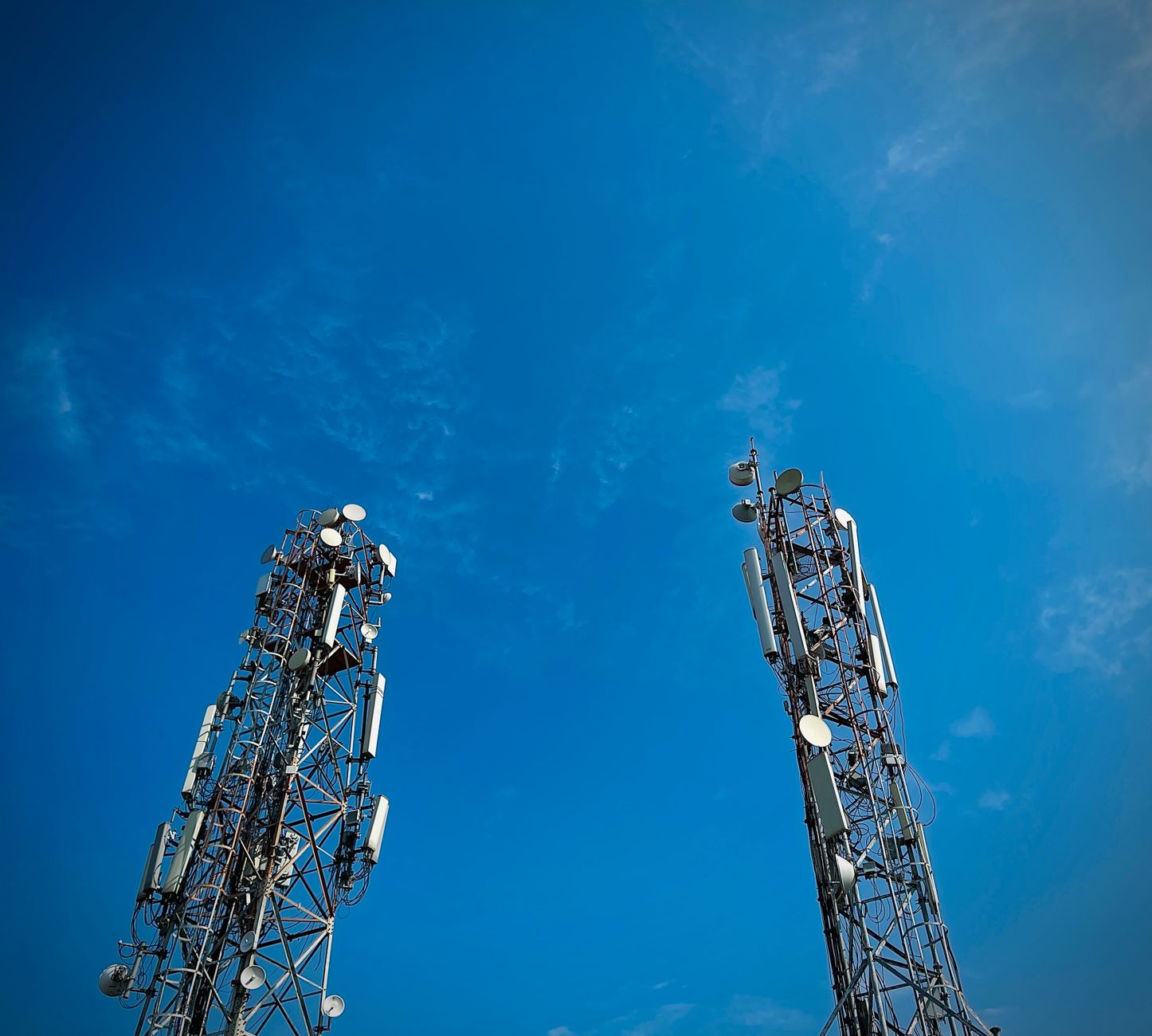
Bharat Sanchar Nigam Limited (BSNL), India's state-owned telecommunications company, has announced ambitious plans for expansion and growth. In a significant development, BSNL aims to add 50,000 to 60,000 new mobile towers by the end of the fiscal year 2025-26 (FY26). This strategic move is expected to bolster its network infrastructure, enhance service quality, and drive a double-digit growth in its operating profit. This article delves into the details of BSNL's expansion plans, its potential impact on the Indian telecom landscape, and the financial outlook for the company.
BSNL's Tower Expansion Strategy
The Indian telecom market is highly competitive, with private players dominating the scene. BSNL, despite its challenges, remains a crucial player, especially in rural and remote areas. The addition of 50,000-60,000 mobile towers is a substantial undertaking that signifies BSNL's commitment to strengthening its presence and improving connectivity across the nation.
Objectives of the Expansion
- Enhanced Network Coverage: The primary goal is to extend mobile network coverage to unserved and underserved areas, bridging the digital divide.
- Improved Service Quality: More towers mean better signal strength, reduced call drops, and faster data speeds, leading to a superior customer experience.
- Capacity Augmentation: With the increasing demand for data services, the new towers will help augment network capacity to handle higher traffic volumes.
- 5G Readiness: While the immediate focus is on 4G expansion, this infrastructure development lays the groundwork for future 5G deployment.
Timeline and Scale
The target is to achieve this expansion by FY26, which provides a clear roadmap for the company. The sheer number of towers planned indicates a significant investment and a focused effort to rapidly scale up BSNL's infrastructure. This initiative is crucial for BSNL to compete effectively with private operators and regain market share.
Financial Outlook: Double-Digit Profit Growth
Alongside its infrastructure expansion, BSNL is projecting a robust financial performance. The company anticipates its operating profit to grow in double digits in the coming fiscal years. This optimism is likely fueled by several factors:
Factors Driving Profitability
- Increased Subscriber Base: Enhanced network coverage and service quality are expected to attract more subscribers, leading to higher revenue.
- Operational Efficiencies: BSNL has been undertaking measures to improve its operational efficiency and reduce costs, which will directly impact profitability.
- Government Support: The government has been supportive of BSNL's revival efforts, providing financial and policy assistance.
- New Revenue Streams: Exploration of new revenue streams, such as enterprise solutions and fiber-to-the-home (FTTH) services, will also contribute to growth.
Challenges and Opportunities
While the outlook is positive, BSNL still faces challenges, including intense competition, legacy issues, and the need for continuous technological upgrades. However, the government's push for digital India and the increasing demand for reliable telecom services present significant opportunities for BSNL to leverage its expanded network.
Impact on the Indian Telecom Sector
BSNL's aggressive expansion can have a ripple effect on the entire telecom sector:
- Increased Competition: A stronger BSNL will intensify competition, potentially leading to better service offerings and more competitive pricing for consumers.
- Rural Connectivity Boost: The focus on expanding coverage to rural areas will significantly improve digital access for a large segment of the Indian population.
- Infrastructure Development: The deployment of new towers contributes to the overall growth of telecom infrastructure in the country, a critical component of economic development.
Eligibility and Documentation (General Telecom Services)
While this article focuses on BSNL's infrastructure plans, it's important to note that for individual consumers or businesses seeking BSNL services (like mobile plans or broadband), standard eligibility criteria and documentation apply. Typically, this includes:
- Eligibility: Indian citizenship, valid age proof.
- Documents: Proof of identity (Aadhaar card, Voter ID, Passport, Driving License), proof of address (utility bills, Aadhaar card), and passport-sized photographs. Specific requirements may vary based on the service plan.
Charges and Fees (General Telecom Services)
BSNL offers a variety of plans for its mobile and broadband services. Charges typically include:
- Activation Fees: One-time charges for new connections.
- Monthly Rental/Subscription Fees: Recurring charges for the chosen plan.
- Usage Charges: Additional charges for services beyond the plan limits (e.g., exceeding data caps, ISD calls).
- Device Costs: If a new device (like a router for broadband) is provided.
Interest Rates (Not Directly Applicable to Tower Expansion)
Interest rates are generally associated with financial products like loans and deposits. For BSNL's core telecom services, interest rates are not a direct factor for consumers. However, if BSNL avails loans for its infrastructure projects, interest rates would be applicable to the company.
Benefits of BSNL's Expansion
- Improved Digital Access: Connecting more people to the digital world.
- Economic Growth: Facilitating businesses and services through better connectivity.
- Job Creation: The expansion project itself will likely create employment opportunities in infrastructure deployment and maintenance.
- Enhanced National Security: A robust communication network is vital for national security and disaster management.
Risks Associated with the Expansion
- Execution Challenges: Large-scale infrastructure projects can face delays due to land acquisition, regulatory hurdles, and logistical issues.
- Financial Viability: Ensuring the long-term financial sustainability of the expanded network, especially in less commercially viable areas.
- Technological Obsolescence: The rapid pace of technological change requires continuous investment to stay updated.
- Competition: Intense competition from private players may limit BSNL's ability to fully capitalize on its expanded network.
Frequently Asked Questions (FAQ)
Q1: When will BSNL add the new mobile towers?
BSNL aims to add 50,000-60,000 mobile towers by the end of the fiscal year 2025-26 (FY26).
Q2: What is the expected impact on BSNL's profits?
BSNL expects its operating profit to grow in double digits due to the expansion and improved operational efficiencies.
Q3: Will this expansion help in rolling out 5G services?
While the immediate focus is on 4G, the expanded infrastructure will provide a foundation for future 5G deployment.
Q4: How will this benefit rural India?
The expansion is specifically targeted at improving network coverage in unserved and underserved rural and remote areas, enhancing digital access for rural populations.
Q5: What are the main challenges BSNL faces?
Key challenges include intense market competition, managing legacy infrastructure, and the need for continuous technological upgrades.
Conclusion
BSNL's plan to significantly expand its mobile tower network by FY26 and its projection of double-digit profit growth signal a renewed phase of growth and commitment to strengthening its position in the Indian telecom market. This strategic initiative is poised to enhance connectivity, particularly in rural areas, and contribute to the nation's digital infrastructure. While challenges remain, the company's focused approach and government support provide a positive outlook for its future performance.
Important Practical Notes
Always verify the latest bank or lender terms directly on official websites before applying. Interest rates, charges, and eligibility can vary by profile, location, and policy updates.
Quick Checklist Before You Apply
Compare offers from multiple providers.
Check hidden charges and processing fees.
Review repayment terms and penalties carefully.
Keep required KYC and income documents ready.