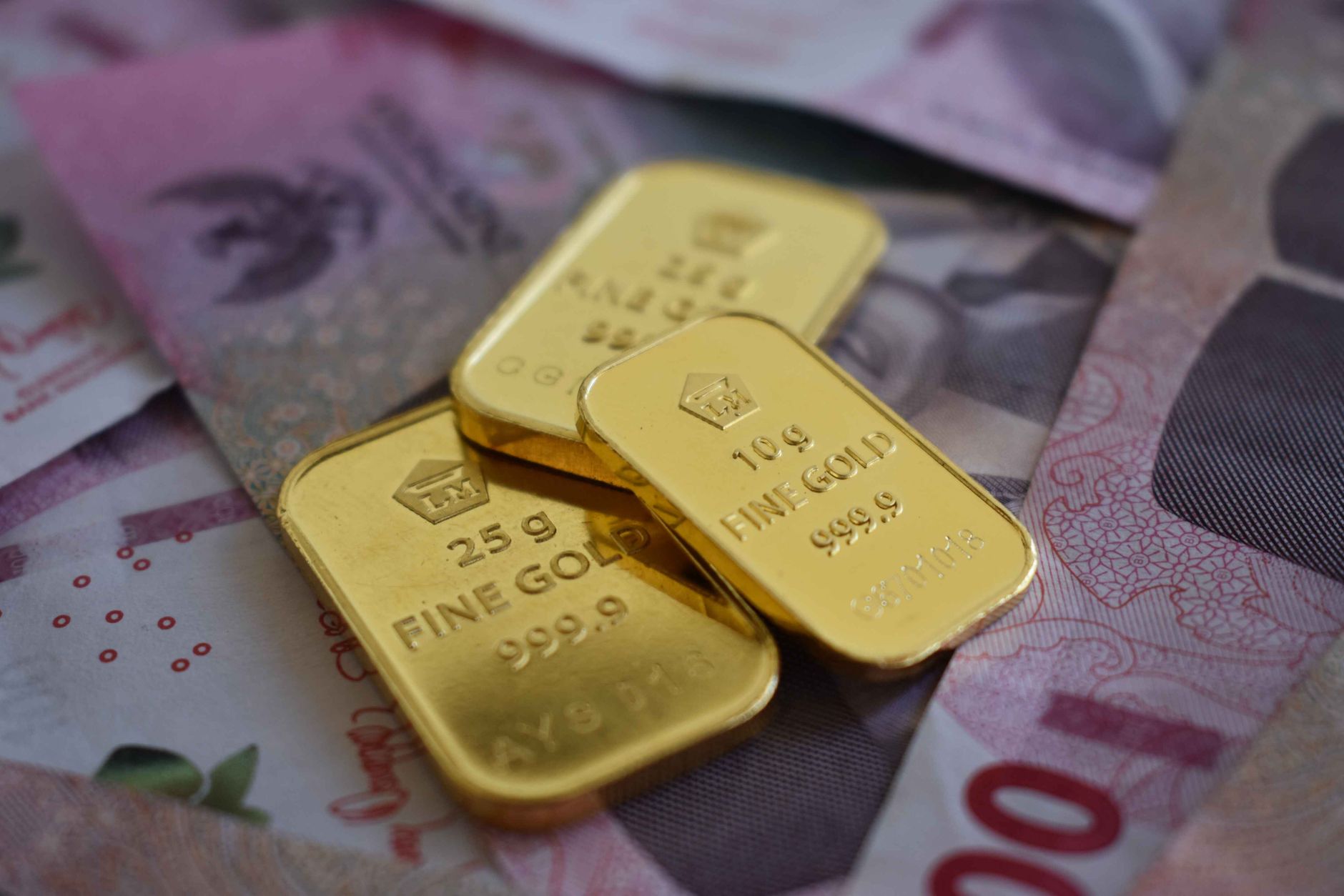
Gold, the perennial safe-haven asset, has witnessed a significant correction from its all-time highs. While many investors might be tempted to jump back into the yellow metal, a closer examination of the current market dynamics suggests that the upside potential might be limited, and a decisive, breakaway rally is unlikely in the near term. This analysis delves into the factors influencing gold prices and provides a nuanced perspective for Indian investors.
Understanding Gold's Recent Performance
Gold prices in India touched unprecedented levels, driven by a confluence of global uncertainties, including geopolitical tensions, inflationary pressures, and concerns about economic slowdowns. However, the recent fall of approximately ₹55,000 from its peak indicates a shift in market sentiment or a recalibration of expectations. It's crucial to understand that commodity prices, including gold, are influenced by a complex interplay of supply and demand, macroeconomic indicators, central bank policies, and speculative trading.
Factors Limiting Gold's Upside
Several key factors are currently capping gold's upward momentum:
- Resilient Global Economic Outlook (Relative): Despite ongoing challenges, major economies have shown a degree of resilience. A stronger-than-expected economic performance can reduce the appeal of safe-haven assets like gold. Investors tend to favor riskier assets with higher potential returns when the economic outlook is positive.
- Rising Real Interest Rates: Central banks globally, including the Reserve Bank of India (RBI), have been actively managing inflation through interest rate hikes. When real interest rates (nominal interest rate minus inflation) rise, the opportunity cost of holding non-yielding assets like gold increases. This makes interest-bearing assets more attractive, diverting investment away from gold.
- Stronger US Dollar: Gold is typically priced in US dollars. A stronger dollar makes gold more expensive for holders of other currencies, thus reducing demand. Conversely, a weaker dollar tends to boost gold prices. Recent dollar strength has been a dampener on gold's rally.
- Reduced Geopolitical Premiums: While geopolitical risks persist, the market may have already priced in some of these uncertainties. The immediate fear factor that drove gold prices to extreme highs might have subsided, leading to a normalization of prices.
- Technical Resistance Levels: Chart analysis often reveals psychological and technical resistance levels. Gold may be facing significant selling pressure around these levels as traders book profits or initiate short positions.
- Shifting Investor Sentiment: As inflation shows signs of moderating in some economies and recession fears ebb, investor appetite for riskier assets might increase, leading to a rotation out of safe havens like gold.
What About the Downside?
While a runaway rally seems unlikely, the downside for gold might also be somewhat protected due to:
- Persistent Inflationary Concerns: Despite efforts by central banks, inflation remains a concern in many parts of the world. If inflation proves stickier than anticipated, gold could regain its appeal as an inflation hedge.
- Ongoing Geopolitical Tensions: The global geopolitical landscape remains volatile. Any escalation of conflicts or new emerging threats could trigger a flight to safety, benefiting gold.
- Central Bank Buying: Many central banks continue to hold significant gold reserves and may engage in strategic buying to diversify their holdings, providing a baseline support for prices.
- Indian Festive Demand: Historically, gold demand in India surges during festive seasons like Diwali and Akshaya Tritiya. While current prices might temper demand, a significant price drop could still stimulate buying, especially from retail consumers.
Implications for Indian Investors
For Indian investors, the current scenario presents a mixed bag. The substantial fall from the peak offers a potential entry point for those looking to diversify their portfolios with gold. However, the limited upside potential suggests that expecting rapid, substantial gains might be unrealistic.
Investment Strategies to Consider:
- Phased Investment (SIP in Gold): Instead of investing a lump sum, consider a Systematic Investment Plan (SIP) approach. This allows you to average out your purchase cost over time, reducing the risk of buying at a price peak. This can be done through Gold ETFs or Sovereign Gold Bonds (SGBs).
- Focus on Long-Term Goals: Gold is best viewed as a long-term asset for wealth preservation and diversification rather than a short-term speculative instrument. If your investment horizon is long, the current price levels might be acceptable.
- Monitor Global Cues: Keep a close watch on global economic data, inflation trends, central bank policy statements, and geopolitical developments. These will be crucial in determining the future direction of gold prices.
- Consider Sovereign Gold Bonds (SGBs): SGBs offer an additional interest income on top of the gold price appreciation, making them an attractive option for holding gold. They are also free from capital gains tax if held until maturity.
- Diversification is Key: Ensure that gold forms only a part of your overall investment portfolio. Over-reliance on any single asset class can be risky. Balance your portfolio with equities, debt instruments, and other assets as per your risk tolerance and financial goals.
Risks Associated with Gold Investments
While gold is often considered a safe investment, it's not without risks:
- Price Volatility: Gold prices can be highly volatile in the short term, influenced by market sentiment and global events.
- No Income Generation: Unlike stocks or bonds, physical gold and most gold ETFs do not generate regular income (dividends or interest). The return comes solely from price appreciation. SGBs are an exception, offering interest.
- Storage and Security Costs: For physical gold, there are costs associated with secure storage and insurance.
- Currency Risk: For Indian investors, fluctuations in the INR-USD exchange rate can impact the returns on gold investments, as gold is priced internationally in USD.
Frequently Asked Questions (FAQs)
Q1: Is it a good time to buy gold now, given the fall from its peak?
It depends on your investment horizon and strategy. If you are a long-term investor looking to diversify, the current levels might offer an entry point. However, if you expect a sharp, immediate rally, it might be prudent to wait or invest in a phased manner. The market suggests limited immediate upside.
Q2: How much should I allocate to gold in my portfolio?
A common recommendation is to allocate 5-10% of your portfolio to gold for diversification. However, this can vary based on your individual risk tolerance, financial goals, and market outlook.
Q3: What is the difference between Gold ETFs and Sovereign Gold Bonds (SGBs)?
Gold ETFs are traded on stock exchanges and track the price of physical gold. They offer liquidity but require a demat account. SGBs are government securities denominated in grams of gold. They offer a fixed interest rate (currently 2.5% per annum) and are held in demat or physical form. SGBs have a lock-in period of 5 years and maturity of 8 years, with tax benefits on redemption if held till maturity.
Q4: Will the Indian Rupee's movement affect gold prices?
Yes. Since gold is priced in USD globally, a weaker Rupee against the US Dollar generally leads to higher gold prices in India, and vice versa. This is because it takes more Rupees to buy the same amount of gold priced in Dollars.
Q5: What are the key indicators to watch for gold price movements?
Key indicators include US Federal Reserve policy (interest rates and quantitative easing/tightening), inflation rates (CPI, WPI), geopolitical events, the strength of the US Dollar, and central bank gold reserves. For India, domestic demand during festive seasons also plays a role.
Conclusion
The current market environment for gold suggests a period of consolidation rather than a strong bullish trend. While the fall from its peak presents an opportunity, investors should temper their expectations regarding a 'breakaway rally'. A prudent approach involving phased investment, long-term perspective, and continuous monitoring of global economic and geopolitical factors is advisable. Remember, diversification remains the cornerstone of a robust investment strategy, and gold should be considered as one component within a well-balanced portfolio.
Important Practical Notes
Always verify the latest bank or lender terms directly on official websites before applying. Interest rates, charges, and eligibility can vary by profile, location, and policy updates.
Quick Checklist Before You Apply
Compare offers from multiple providers.
Check hidden charges and processing fees.
Review repayment terms and penalties carefully.
Keep required KYC and income documents ready.