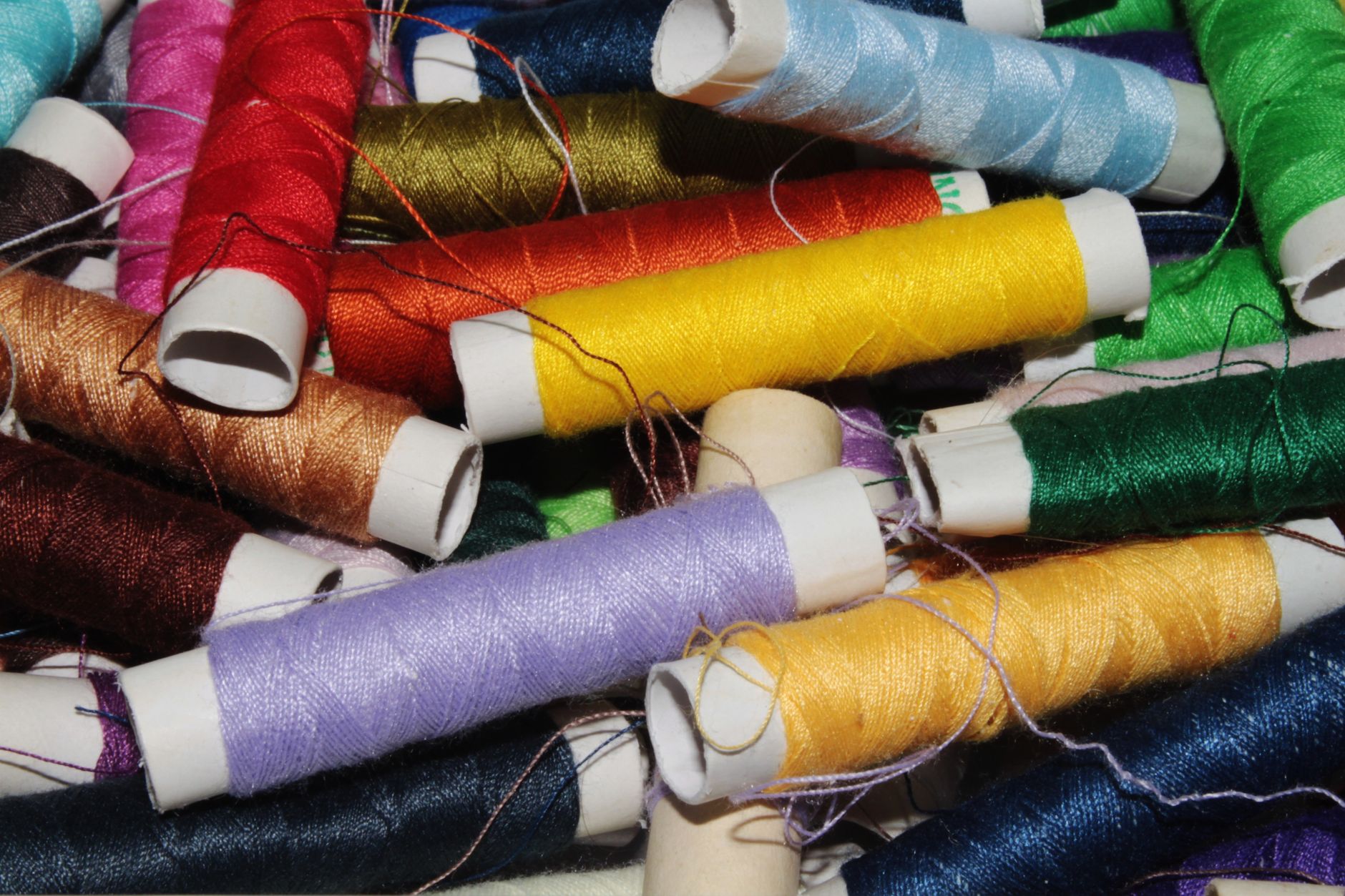
The Directorate General of Trade Remedies (DGTR) has put forth a recommendation for the imposition of an anti-dumping duty on imports of Viscose Staple Fibre (VSF), commonly known as Rayon Yarn, originating from China. This development follows a comprehensive investigation initiated by the DGTR into alleged dumping of this product by Chinese manufacturers, which is claimed to be harming the domestic Indian industry. The recommendation, if accepted by the Ministry of Finance, could significantly impact the pricing and availability of rayon yarn in the Indian market, with potential repercussions for downstream industries like textiles.
Understanding the DGTR and Anti-Dumping Duties
The Directorate General of Trade Remedies (DGTR) is a statutory body under the Ministry of Commerce and Industry, Government of India. Its primary role is to investigate cases of dumping of goods from foreign countries into India, as well as to examine subsidised imports and significant increase in domestic production of like articles, with the objective of recommending the appropriate level of anti-dumping duties, countervailing duties, or other remedial measures. Anti-dumping duties are imposed under the WTO's Anti-Dumping Agreement and India's own anti-dumping rules. The objective is to level the playing field for domestic industries that are suffering injury due to the import of goods at prices below their normal value.
The Investigation Process
The DGTR's investigation into rayon yarn imports from China was initiated based on a petition filed by domestic producers. The investigation typically involves several stages:
- Filing of Petition: Domestic industry representatives file a petition alleging dumping and injury.
- Initiation of Investigation: If the DGTR finds sufficient prima facie evidence, it initiates an investigation.
- Data Collection: The DGTR collects detailed information from all interested parties, including importers, exporters, and domestic producers, regarding export prices, normal values, production costs, sales, profits, market share, and injury indicators.
- Public Hearing: A public hearing is usually conducted where all parties can present their arguments and evidence.
- Analysis and Findings: The DGTR analyzes the collected data to determine if dumping has occurred, if the domestic industry has suffered injury, and if there is a causal link between the dumping and the injury.
- Recommendation: If dumping and injury are established, the DGTR recommends the imposition of an anti-dumping duty, specifying the margin of dumping and the amount of duty.
What is Rayon Yarn (Viscose Staple Fibre)?
Rayon yarn, or Viscose Staple Fibre (VSF), is a man-made fibre derived from natural sources, primarily wood pulp. It is known for its softness, absorbency, breathability, and ability to mimic the feel and drape of natural fibres like silk and cotton. VSF is a versatile material widely used in the textile industry for manufacturing a variety of fabrics, including apparel, home furnishings, and industrial textiles. Its popularity stems from its comfort, affordability, and aesthetic appeal, making it a staple in many clothing items.
Allegations of Dumping and Injury
The core of the DGTR's recommendation lies in the finding that Chinese exporters have been selling rayon yarn in the Indian market at prices significantly lower than their normal value. This practice, known as dumping, allows foreign producers to gain an unfair competitive advantage. The DGTR's investigation would have examined:
- Normal Value: The price at which the product is ordinarily sold in the domestic market of the exporting country (China) or the price at which it is exported to a third country with a normal market economy.
- Export Price: The price at which the product is exported from China to India.
- Dumping Margin: The difference between the normal value and the export price, expressed as a percentage of the export price.
Furthermore, the investigation would have assessed whether this dumping has caused or is threatening to cause material injury to the Indian rayon yarn industry. Injury indicators typically examined include:
- Price undercutting and underselling by dumped imports.
- Loss of market share for domestic producers.
- Declines in profitability, production, sales, and employment within the domestic industry.
- Impact on investment and capacity utilization.
Impact on the Indian Textile Industry
The textile sector is a significant contributor to India's economy, providing employment to millions. Rayon yarn is a crucial raw material for a substantial segment of this industry. If the DGTR's recommendation is implemented, it could lead to:
- Increased Domestic Production: Higher prices for imported rayon yarn might incentivize domestic production, leading to greater capacity utilization and job creation within India.
- Level Playing Field: Domestic manufacturers would be able to compete more effectively with imports, potentially leading to fairer pricing.
- Cost Implications for Downstream Industries: Manufacturers who rely on rayon yarn as a raw material might face increased input costs, which could be passed on to consumers in the form of higher prices for finished textile products. This could affect the competitiveness of Indian textile exports if not managed carefully.
- Supply Chain Adjustments: Importers and textile manufacturers may need to explore alternative sourcing options or adjust their production strategies in response to the duty.
Key Aspects of the DGTR Recommendation
While the full details of the DGTR's final findings and the precise duty recommended are subject to the official notification, the recommendation signals a strong stance against unfair trade practices. The DGTR typically recommends a duty that is equivalent to the dumping margin or the injury margin, whichever is lower, to eliminate the injury to the domestic industry.
What Happens Next?
The DGTR's recommendation is not final. It is forwarded to the Ministry of Finance, which has the ultimate authority to accept or reject the recommendation and impose the anti-dumping duty. The Ministry of Finance considers various factors, including the DGTR's findings, the broader economic implications, and trade relations with the exporting country, before making a final decision. If the duty is imposed, it will be notified through a government gazette and will be applicable for a period of five years, subject to periodic reviews.
Potential Benefits and Drawbacks
Benefits:
- Protection and growth of the domestic rayon yarn manufacturing industry.
- Potential for increased employment in the Indian textile sector.
- Reduced reliance on imports from a single country.
Drawbacks:
- Potential increase in raw material costs for downstream textile manufacturers.
- Possible inflationary pressure on textile products.
- Potential for retaliatory measures from the exporting country.
Frequently Asked Questions (FAQ)
Q1: What is Viscose Staple Fibre (VSF)?
VSF, commonly known as Rayon Yarn, is a semi-synthetic fibre made from regenerated cellulose, typically derived from wood pulp. It is valued for its comfort, absorbency, and versatility in textile applications.
Q2: Why is the DGTR investigating imports from China?
The investigation is based on allegations that Chinese exporters are selling VSF in India at unfairly low prices (dumping), causing injury to the domestic Indian VSF industry.
Q3: What is an anti-dumping duty?
An anti-dumping duty is a protectionist tariff that a domestic government imposes on foreign imports that it believes are priced below fair market value. Its purpose is to protect domestic industries from unfair competition.
Q4: Who decides whether to impose the duty?
The Ministry of Finance, Government of India, makes the final decision on whether to impose the anti-dumping duty based on the DGTR's recommendation.
Q5: How long will the anti-dumping duty last if imposed?
If imposed, anti-dumping duties are typically valid for five years, but they are subject to periodic reviews by the DGTR.
Q6: What is the potential impact on textile prices in India?
The imposition of duties could lead to higher prices for imported rayon yarn, potentially increasing the cost of production for textile manufacturers and possibly leading to higher prices for consumers of certain textile products.
Q7: Are there any alternatives to Chinese rayon yarn?
Yes, India imports rayon yarn from other countries as well, and domestic production is also a significant source. The duty might encourage sourcing from other countries or increased domestic procurement.
Q8: What are the implications for the Indian textile export market?
While protecting the domestic yarn industry, higher input costs could potentially affect the price competitiveness of Indian textile exports. However, the focus on quality and value addition can mitigate this risk.
Q9: Where can I find the official notification regarding this duty?
Official notifications are published in the Gazette of India. You can also refer to the website of the Ministry of Commerce and Industry and the DGTR for updates.
Q10: Does this duty apply to all types of yarn?
No, the recommendation specifically pertains to Viscose Staple Fibre (VSF), also known as Rayon Yarn, originating from China. It does not apply to other types of synthetic or natural fibres.
The DGTR's recommendation on anti-dumping duty for rayon yarn from China is a significant development in India's trade policy, aimed at safeguarding domestic industries. Stakeholders in the textile value chain, from yarn manufacturers to garment exporters and consumers, will be closely watching the Ministry of Finance's final decision and its subsequent impact on the market dynamics.