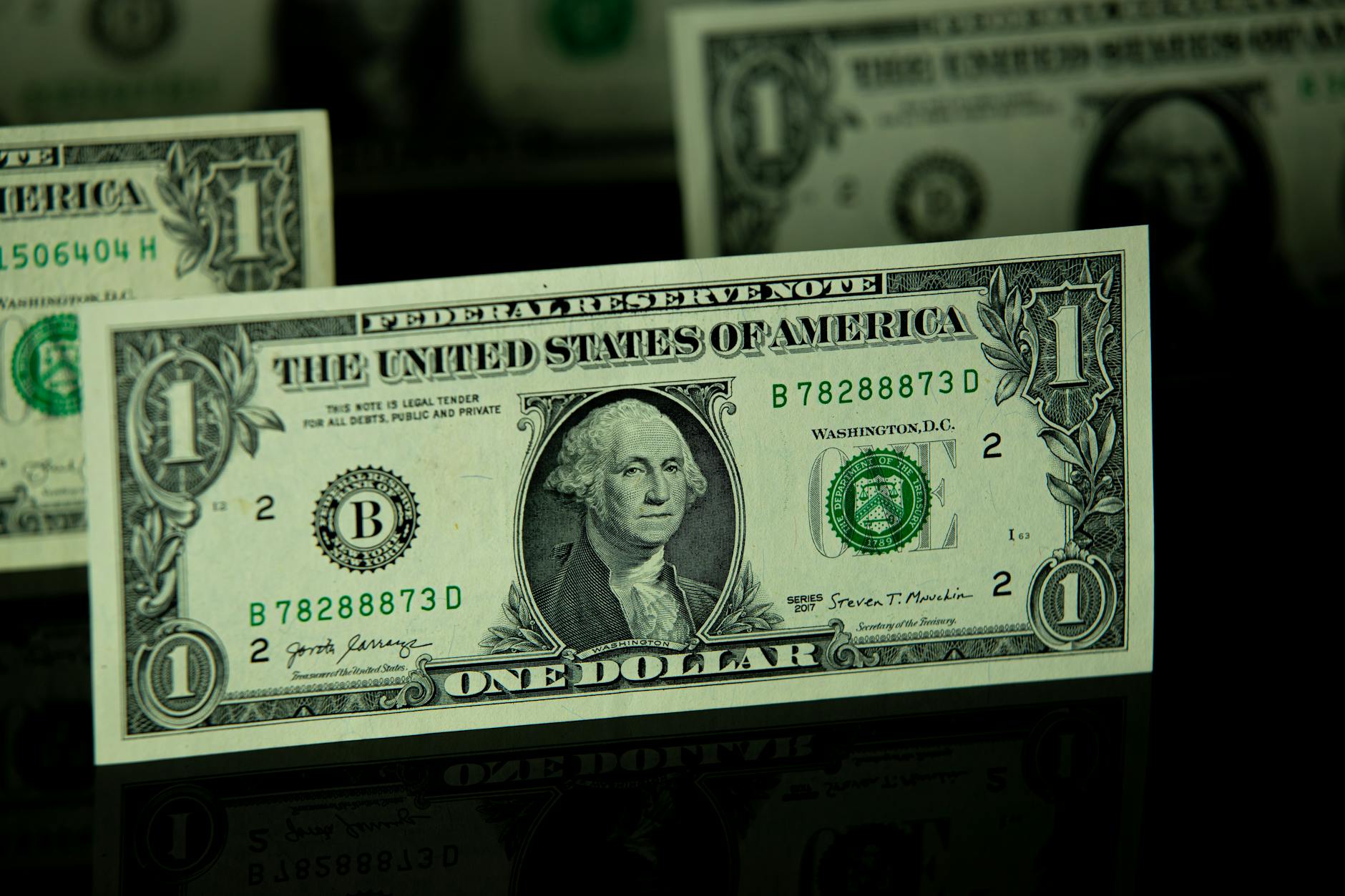
In recent times, the global financial markets have witnessed a notable shift in sentiment, leading to a strengthening of the US Dollar. This resurgence in the dollar's value is attributed to a confluence of factors, primarily a recovery in economic confidence and a reassessment of the Federal Reserve's (Fed) monetary policy trajectory. As investors digest incoming economic data and central bank communications, the market's expectations regarding future interest rate hikes by the Fed have been tempered, providing a supportive backdrop for the dollar.
Understanding the Dollar's Strength
The US Dollar, often considered a safe-haven asset, tends to appreciate during periods of global economic uncertainty. However, its recent strength is not solely driven by risk aversion. Instead, it reflects a more nuanced interplay of domestic economic resilience and evolving global financial dynamics. A key driver has been the release of economic indicators that suggest a more robust US economy than initially anticipated. Improved employment figures, resilient consumer spending, and signs of moderating inflation have contributed to a more optimistic outlook.
The Federal Reserve's Role
The Federal Reserve plays a pivotal role in shaping currency movements through its monetary policy decisions. For a significant period, the market was pricing in aggressive interest rate hikes by the Fed to combat persistent inflation. This expectation of higher interest rates made dollar-denominated assets more attractive, thereby boosting the dollar's value. However, recent communications from Fed officials and softer inflation data have led to a recalibration of these expectations. While the Fed remains committed to its inflation-fighting mandate, the pace and magnitude of future rate hikes are now being viewed with more caution. This trimming of aggressive Fed hike bets has removed a key upward pressure on the dollar, allowing other supportive factors to come into play.
- Economic Confidence Recovery: Improved sentiment regarding the US economic outlook, supported by positive data releases.
- Trimmed Fed Hike Bets: A reduction in market expectations for the number and size of future Federal Reserve interest rate increases.
- Safe-Haven Appeal: The dollar's traditional role as a safe-haven asset, which gains traction during periods of global economic uncertainty.
- Interest Rate Differentials: While expectations have moderated, US interest rates remain relatively attractive compared to many other major economies.
Impact on Global Markets
The strengthening of the US Dollar has far-reaching implications for global economies and financial markets. For countries with significant dollar-denominated debt, a stronger dollar increases the burden of repayment. It also makes imports more expensive, potentially exacerbating inflationary pressures in other nations. Conversely, US exporters may find their goods and services becoming less competitive on the international stage.
Implications for Indian Readers
For Indian readers, the strengthening dollar has several implications:
- Import Costs: India imports a significant portion of its oil and other commodities. A stronger dollar means these imports become more expensive, potentially leading to higher prices for fuel and other goods, contributing to imported inflation.
- Rupee Depreciation: A stronger dollar often correlates with a weaker Indian Rupee (INR). This means that for Indians holding dollar-denominated assets or planning international travel or education, the cost in rupee terms increases.
- Remittances: For individuals receiving remittances from family members working abroad, particularly in the US, a weaker rupee against the dollar can mean receiving a larger rupee amount, which can be beneficial.
- FII Flows: Foreign Institutional Investors (FIIs) often move funds between markets based on relative currency strengths and interest rate differentials. A stronger dollar might influence FII investment decisions in emerging markets like India.
- External Debt: Indian companies and the government that have borrowed in dollars will find their repayment obligations increasing in rupee terms.
Navigating the Current Environment
In this dynamic environment, it is crucial for individuals and businesses to stay informed about global economic developments and their potential impact. Prudent financial planning becomes even more important.
- Diversification: Diversifying investment portfolios across different asset classes and geographies can help mitigate risks associated with currency fluctuations.
- Hedging Strategies: For businesses with significant foreign currency exposure, exploring hedging strategies can help manage currency risk.
- Monitoring Economic Data: Keeping a close watch on key economic indicators from major economies, particularly the US, and understanding the Fed's policy stance is essential.
- Reviewing Financial Goals: Individuals should review their financial goals, such as international education funding or foreign travel plans, and adjust their savings and investment strategies accordingly.
Potential Risks and Considerations
While the dollar's strength is currently supported by recovering confidence and adjusted Fed expectations, several risks remain:
- Resurgent Inflation: If inflation proves more persistent than anticipated, the Fed might be compelled to resume a more aggressive rate-hiking path, which could further boost the dollar.
- Geopolitical Events: Unforeseen geopolitical events can quickly shift market sentiment and trigger a flight to safety, benefiting the dollar.
- Global Economic Slowdown: A significant global economic slowdown could impact US economic performance, potentially affecting the dollar's trajectory.
- Policy Divergence: Differences in monetary policy stances between the Fed and other major central banks can lead to significant currency movements.
Frequently Asked Questions (FAQ)
What is causing the US Dollar to strengthen?
The dollar's strength is primarily driven by recovering economic confidence in the US and a reduction in market expectations for aggressive Federal Reserve interest rate hikes. Positive economic data and a more cautious outlook from the Fed are key factors.
How does a stronger dollar affect India?
A stronger dollar generally leads to a weaker Indian Rupee, making imports more expensive (like oil), increasing the cost of dollar-denominated debt repayment, and potentially impacting foreign investment flows. However, it can benefit those receiving remittances from abroad.
Should I invest in dollar-denominated assets now?
Investment decisions should be based on individual risk tolerance, financial goals, and thorough research. While a strong dollar can make dollar assets attractive, it's essential to consider the associated risks and potential for currency fluctuations. Diversification is often recommended.
What is the Federal Reserve's current stance on interest rates?
The Federal Reserve is focused on bringing inflation down to its target. While aggressive rate hikes may be less likely than previously anticipated, the Fed remains data-dependent and committed to using its tools to achieve price stability. Market expectations have been trimmed, but the situation is dynamic.
What are the risks of a strong dollar for emerging markets?
For emerging markets, a strong dollar can increase the cost of servicing dollar-denominated debt, make imports more expensive, and potentially lead to capital outflows as investors seek higher returns in dollar assets. It can also put pressure on local currencies.
How can I protect myself from currency fluctuations?
Strategies include diversifying investments across different currencies and asset classes, considering currency hedging for significant exposures, and staying informed about global economic trends. For individuals, adjusting savings and investment plans for international goals can also help.
Important Practical Notes
Always verify the latest bank or lender terms directly on official websites before applying. Interest rates, charges, and eligibility can vary by profile, location, and policy updates.
Quick Checklist Before You Apply
Compare offers from multiple providers.
Check hidden charges and processing fees.
Review repayment terms and penalties carefully.
Keep required KYC and income documents ready.