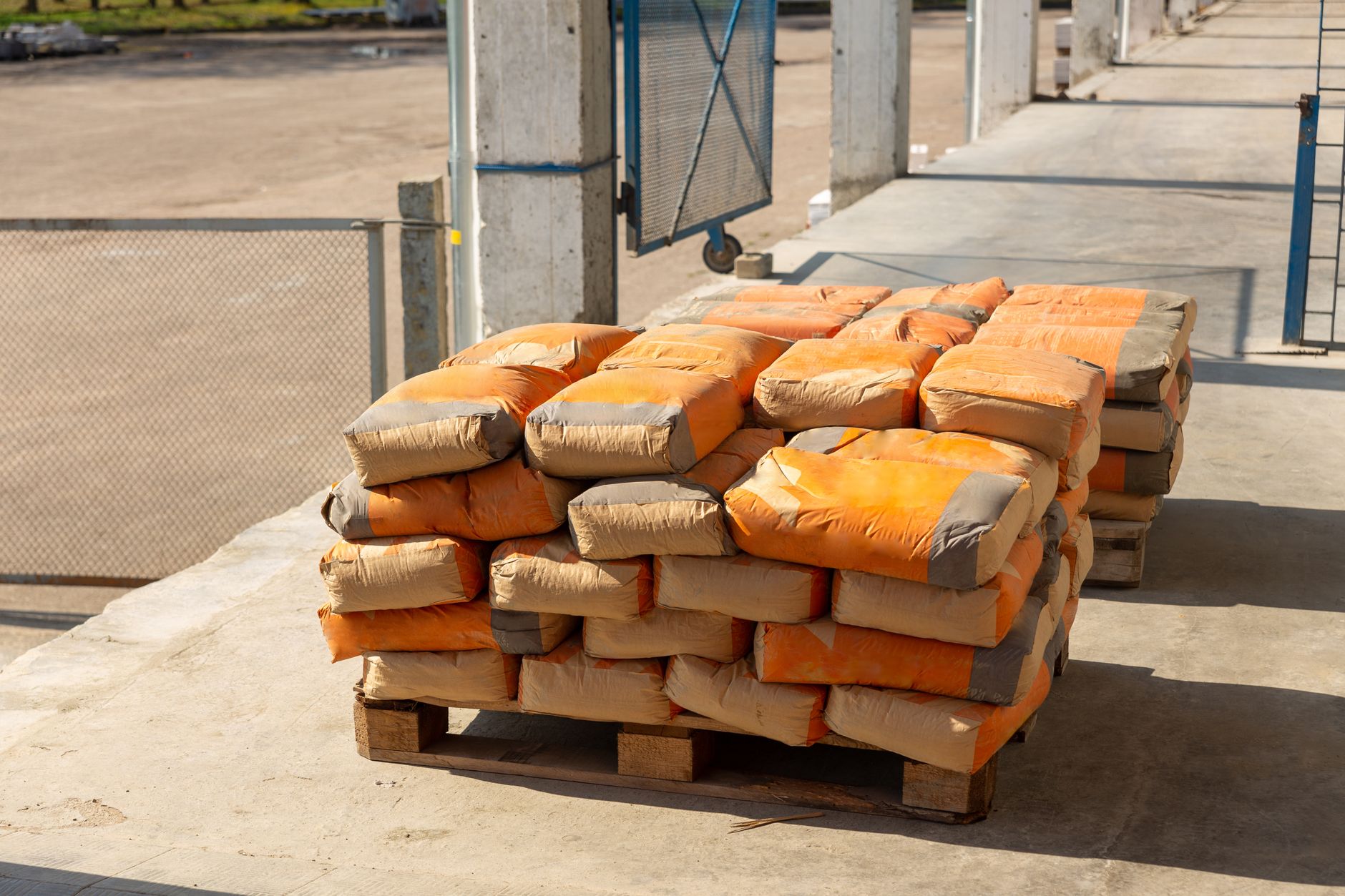
The Indian cement industry, a cornerstone of the nation's infrastructure development, is currently grappling with significant and escalating challenges in sourcing essential fuels. This complex issue has far-reaching implications, impacting production costs, operational efficiency, and ultimately, the affordability of construction materials. As India continues its ambitious journey of economic growth and urbanization, the demand for cement is projected to rise substantially. However, the industry's ability to meet this demand is increasingly being tested by a confluence of factors affecting fuel availability and pricing.
Understanding the Fuel Mix
Cement production is an energy-intensive process. The primary fuels used by cement manufacturers include coal, pet coke, lignite, and increasingly, alternative fuels derived from waste materials. Coal, particularly imported coal, has historically been a dominant fuel source due to its high calorific value and relatively stable supply. However, global supply chain disruptions, geopolitical tensions, and fluctuating international prices have made coal sourcing a precarious affair. Pet coke, another vital fuel, has also faced supply constraints and price volatility, further exacerbating the situation.
The Coal Conundrum
India's domestic coal production, while growing, has not kept pace with the burgeoning demand from various sectors, including cement. This has led to a heavy reliance on imports. The recent global energy crisis, triggered by events such as the Russia-Ukraine conflict, has sent international coal prices soaring. Shipping costs have also seen a significant uptick, adding another layer of expense. Cement manufacturers are finding it increasingly difficult to secure adequate quantities of imported coal at predictable prices, leading to uncertainty in production planning and cost management. Many plants are operating with reduced inventory levels, making them vulnerable to sudden supply shocks.
Pet Coke and Alternative Fuels
Petroleum coke (pet coke) is another critical fuel for the cement industry, offering a viable alternative to coal. However, its availability and pricing are also subject to market dynamics and international trade policies. While the use of alternative fuels, such as municipal solid waste, industrial waste, and biomass, is being encouraged to promote sustainability and reduce reliance on fossil fuels, their widespread adoption faces several hurdles. These include the need for specialized infrastructure for collection, processing, and handling, as well as ensuring a consistent and quality supply. The calorific value of alternative fuels can also vary, requiring adjustments in kiln operations.
Key Challenges Faced by Cement Makers
The challenges in fuel sourcing are multifaceted and interconnected:
- Price Volatility: The prices of coal, pet coke, and even natural gas have experienced unprecedented volatility in recent times. This makes it extremely difficult for cement companies to forecast their production costs accurately and maintain stable pricing for their products. Hedging strategies are often complex and may not fully mitigate the price risks.
- Supply Chain Disruptions: Global events, logistical bottlenecks at ports, and transportation issues within the country can lead to delays and shortages in fuel supply. This can force cement plants to reduce production or even halt operations temporarily, leading to significant financial losses and impacting project timelines for infrastructure development.
- Import Dependence: The heavy reliance on imported fuels exposes the Indian cement industry to international market fluctuations and geopolitical risks. Currency depreciation further increases the cost of imported fuels.
- Logistical Hurdles: Transporting large volumes of fuel from ports or domestic mines to cement plants across the country involves significant logistical challenges. Inadequate rail infrastructure and road connectivity in certain regions can lead to delays and increased transportation costs.
- Environmental Regulations: While crucial for sustainability, evolving environmental regulations regarding fuel usage and emissions can add to the compliance costs for cement manufacturers. Adapting to cleaner fuel technologies requires substantial investment.
- Competition for Resources: The cement industry competes with other sectors, such as power generation, for fuel resources. This competition can further tighten supply and drive up prices, especially during periods of high demand.
Impact on Production and Costs
The direct consequence of these fuel sourcing challenges is a significant increase in the cost of production for cement. Fuel costs typically constitute a substantial portion of the total manufacturing expenses for a cement plant. When these costs escalate, cement companies are forced to either absorb the increase, impacting their profit margins, or pass it on to consumers, leading to higher prices for construction materials. This, in turn, can affect the overall cost of infrastructure projects, housing, and other construction activities, potentially dampening economic growth.
Operational Adjustments
In response to these challenges, cement manufacturers are exploring various strategies. These include diversifying their fuel sources, increasing the use of alternative fuels, optimizing energy efficiency in their operations, and entering into longer-term fuel supply contracts to secure better pricing and availability. Some companies are also investing in captive power plants to have more control over their energy supply. However, these measures often require significant capital investment and may not provide immediate relief.
Government Initiatives and Industry Response
The Indian government recognizes the critical role of the cement industry and the challenges it faces. Initiatives aimed at boosting domestic coal production, promoting the use of alternative fuels, and improving logistics infrastructure are underway. The Ministry of Coal and other relevant ministries are working towards ensuring a more stable and affordable fuel supply for industrial consumers. The industry, through its apex bodies, is actively engaging with the government to find sustainable solutions. This includes advocating for policy changes, facilitating the adoption of new technologies, and promoting research and development in fuel efficiency and alternative fuel utilization.
The Path Forward: Sustainability and Resilience
The current fuel sourcing challenges underscore the need for the Indian cement industry to build greater resilience and sustainability into its operations. This involves a multi-pronged approach:
- Diversification of Fuel Sources: Reducing over-reliance on any single fuel source is paramount. Exploring and scaling up the use of a wider range of alternative fuels, including waste-derived fuels and biomass, will be crucial.
- Energy Efficiency Improvements: Continuous investment in upgrading technology and processes to enhance energy efficiency can significantly reduce overall fuel consumption.
- Technological Innovation: Research into new kiln technologies, fuel blending techniques, and carbon capture solutions can offer long-term benefits.
- Strengthening Domestic Supply Chains: Efforts to increase domestic coal production and improve the efficiency of domestic fuel supply chains are essential to reduce import dependence.
- Policy Support: Consistent and supportive government policies that encourage the adoption of alternative fuels, streamline regulatory processes, and invest in infrastructure will be vital.
- Collaboration: Enhanced collaboration between cement manufacturers, fuel suppliers, technology providers, and government agencies is necessary to address these complex challenges effectively.
The mounting fuel sourcing challenges present a significant test for the Indian cement industry. However, by embracing innovation, diversification, and strategic collaboration, the sector can navigate these headwinds and continue to play its pivotal role in building a stronger India. The focus must be on creating a more robust, cost-effective, and environmentally sustainable fuel supply chain to support the nation's growth aspirations.
Important Practical Notes
Always verify the latest bank or lender terms directly on official websites before applying. Interest rates, charges, and eligibility can vary by profile, location, and policy updates.
Quick Checklist Before You Apply
Compare offers from multiple providers.
Check hidden charges and processing fees.
Review repayment terms and penalties carefully.
Keep required KYC and income documents ready.