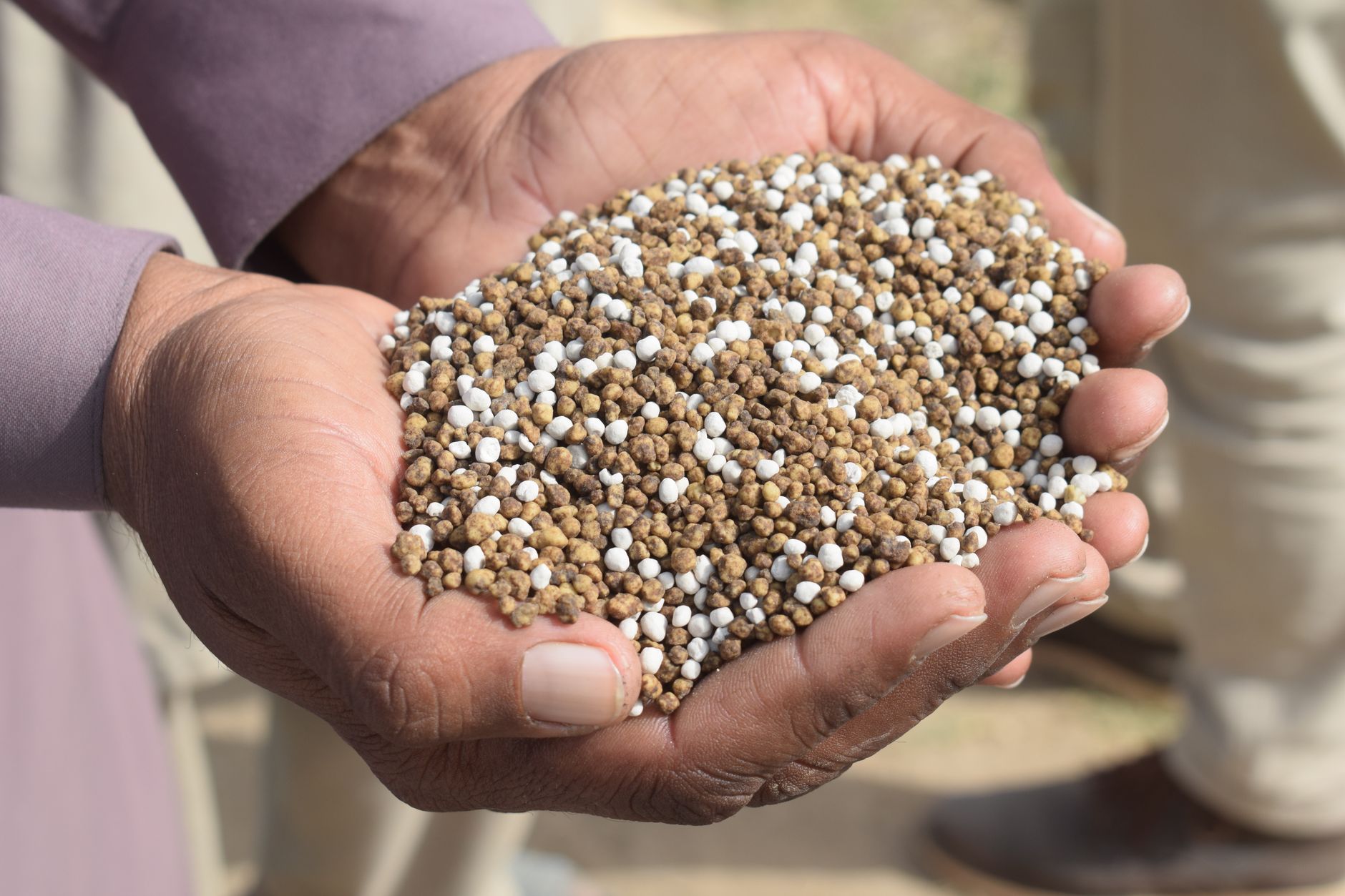
The Indian government has acknowledged that the ongoing geopolitical crisis in West Asia is significantly impacting the production of urea, a crucial fertilizer for the nation's agriculture. This disruption, coupled with rising global freight costs, is expected to lead to an increase in fertilizer prices for Indian farmers. The situation highlights the vulnerability of India's agricultural sector to international supply chain disruptions and geopolitical instability. This article delves into the multifaceted implications of this crisis, exploring its impact on urea output, the subsequent rise in fertilizer and freight costs, and potential government interventions to mitigate the adverse effects on farmers and the broader economy.
Understanding the West Asia Crisis and its Impact on Urea Production
The West Asia region is a significant hub for petrochemical production, including urea. Several factors stemming from the current geopolitical tensions are contributing to a slowdown in urea manufacturing. These include:
- Disruptions in Natural Gas Supply: Natural gas is a primary feedstock for urea production. Geopolitical instability can lead to supply chain disruptions, affecting the availability and price of natural gas for fertilizer plants in the region.
- Operational Challenges: Security concerns and logistical hurdles in the affected regions can hamper the smooth operation of manufacturing facilities, leading to reduced output.
- Export Restrictions: In times of crisis, countries may prioritize domestic supply, leading to potential export restrictions on essential commodities like fertilizers.
The reduction in urea output from West Asia directly affects global supply, creating a deficit that impacts importing nations like India. This scarcity drives up the prices of available urea in the international market.
The Ripple Effect: Increased Fertiliser and Freight Costs
The decrease in urea supply from West Asia has a cascading effect on fertilizer costs for India. As global urea prices surge due to reduced availability, Indian importers face higher procurement costs. This increase is further exacerbated by rising international freight charges.
Factors Contributing to Increased Freight Costs:
- Supply Chain Bottlenecks: Geopolitical tensions often lead to rerouting of shipping routes, increased insurance premiums for vessels operating in volatile areas, and general logistical complexities, all of which contribute to higher shipping costs.
- Increased Demand for Shipping: A general uptick in global trade, coupled with the need to find alternative supply routes, can also put upward pressure on freight rates.
- Fuel Price Volatility: Fluctuations in global crude oil prices, often linked to geopolitical events, directly impact the cost of bunker fuel for ships, a significant component of freight charges.
The combined effect of higher fertilizer prices and increased freight charges means that the landed cost of urea in India escalates significantly. This directly translates to a higher burden on Indian farmers who rely on these fertilizers for their crops.
Government's Role and Potential Interventions
The Indian government is closely monitoring the situation and is exploring various measures to cushion the impact on the agricultural sector. These interventions are crucial to ensure food security and support the livelihoods of millions of farmers.
Potential Government Measures:
- Subsidies: The most direct way to alleviate the burden on farmers is through increased fertilizer subsidies. The government may enhance the subsidy amount for urea to offset the rise in its market price.
- Diversifying Import Sources: Reducing dependence on a single region for fertilizer imports is a long-term strategy. The government may explore sourcing urea from other countries to ensure a stable supply.
- Promoting Domestic Production: While India has domestic urea production capacity, it still relies on imports to meet its full demand. Encouraging greater domestic production through policy support and incentives could be a viable option.
- Exploring Alternative Fertilizers: Promoting the use of alternative fertilizers, including organic and bio-fertilizers, can reduce the overall dependence on chemical fertilizers like urea.
- Strategic Stockpiling: Building strategic reserves of fertilizers can help buffer against short-term supply shocks and price volatility.
The government's proactive approach is essential in navigating these challenging economic conditions and ensuring that the agricultural sector remains resilient.
Implications for Indian Agriculture and Food Security
The rising cost of fertilizers poses a significant threat to Indian agriculture. Farmers, especially small and marginal ones, may find it difficult to afford the increased prices, potentially leading to reduced fertilizer application. This could result in lower crop yields, impacting farm incomes and overall agricultural output.
Furthermore, a decline in agricultural productivity can have broader implications for food security in India. A reduction in the supply of essential food grains could lead to price inflation for consumers and potentially strain the nation's food reserves.
Risks and Challenges
The situation presents several risks and challenges:
- Farmer Distress: Increased input costs without a corresponding rise in crop prices can lead to significant financial distress for farmers.
- Inflationary Pressures: Higher fertilizer costs can contribute to overall food inflation, impacting the purchasing power of consumers.
- Geopolitical Volatility: The ongoing nature of the West Asia crisis means that the supply and price situation remains uncertain, making long-term planning difficult.
- Dependence on Imports: India's continued reliance on imported fertilizers makes it vulnerable to global supply chain disruptions and price fluctuations.
Frequently Asked Questions (FAQ)
Q1: Why are urea prices increasing?
Urea prices are increasing primarily due to reduced production in West Asia, a major supplier, caused by geopolitical tensions. This scarcity, combined with rising global freight costs, is driving up the international price of urea.
Q2: How does the West Asia crisis affect Indian farmers?
The crisis leads to higher costs for imported urea, which is a key fertilizer for Indian agriculture. This increased input cost can reduce farmers' profitability and potentially lead to lower crop yields if they cannot afford to use adequate amounts of fertilizer.
Q3: What steps is the Indian government taking?
The government is considering measures such as increasing fertilizer subsidies, diversifying import sources, promoting domestic production, and encouraging the use of alternative fertilizers to mitigate the impact on farmers.
Q4: Will this crisis affect food prices in India?
Yes, it is possible. Higher fertilizer costs can lead to reduced agricultural output and increased production costs, which may eventually translate into higher food prices for consumers.
Q5: Is India heavily dependent on West Asia for urea?
India imports a significant portion of its urea requirements, and West Asia is a key source. While efforts are being made to diversify import sources, the region's production capacity makes its supply crucial to global availability.
Conclusion
The West Asia crisis presents a complex challenge for India's agricultural sector. The intertwined issues of reduced urea output and escalating freight costs necessitate a robust and multi-pronged response from the government. While immediate relief through subsidies and strategic sourcing is vital, long-term solutions involving enhanced domestic production, diversification of import partners, and promotion of sustainable farming practices are crucial for ensuring the resilience of Indian agriculture and safeguarding national food security in an increasingly volatile global landscape.
Important Practical Notes
Always verify the latest bank or lender terms directly on official websites before applying. Interest rates, charges, and eligibility can vary by profile, location, and policy updates.
Quick Checklist Before You Apply
Compare offers from multiple providers.
Check hidden charges and processing fees.
Review repayment terms and penalties carefully.
Keep required KYC and income documents ready.