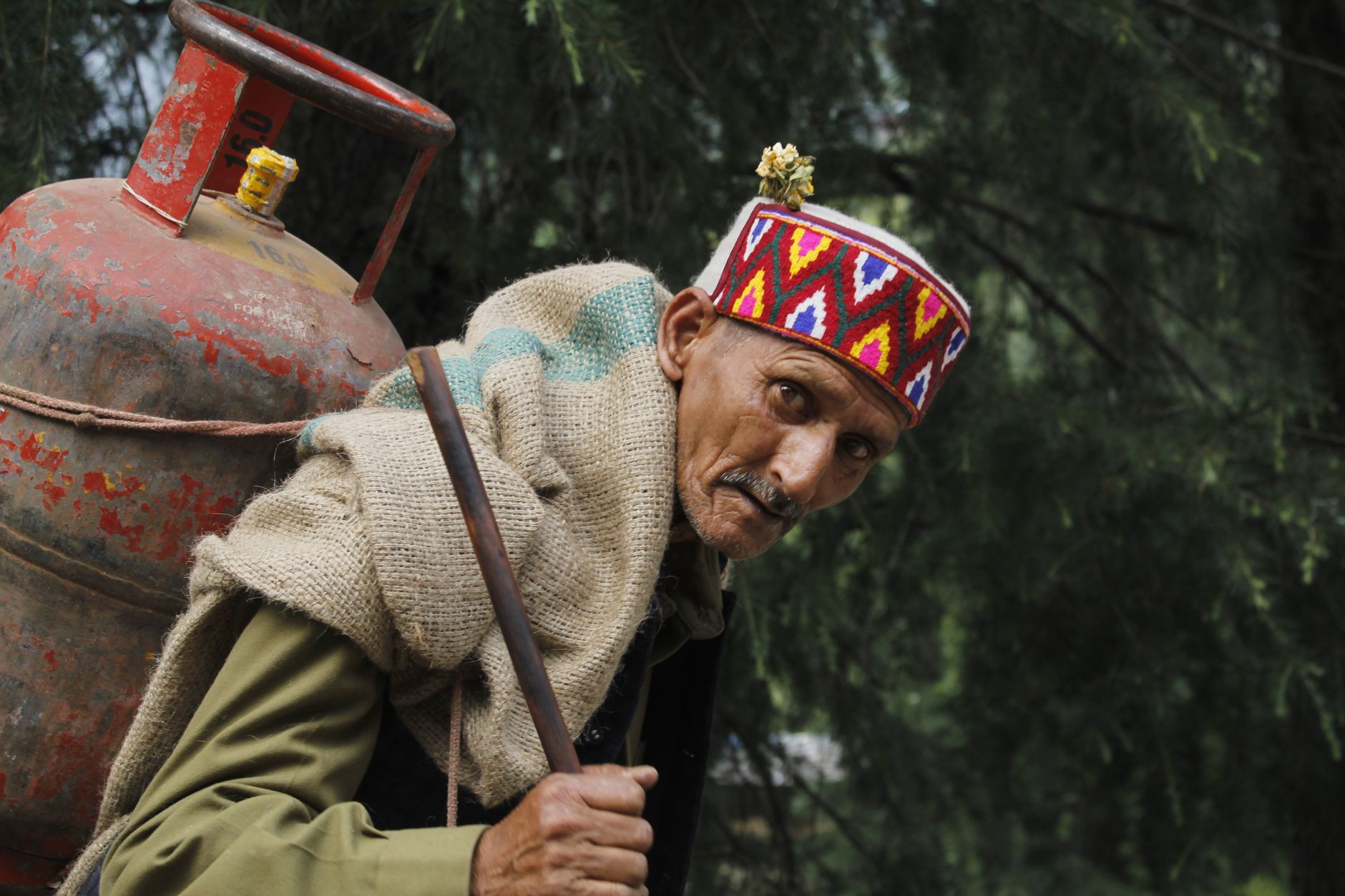
The ongoing geopolitical tensions in West Asia, particularly the recent escalation of conflict, have cast a long shadow over various sectors, with the hospitality industry in Kerala facing a severe and debilitating crisis. The commercial LPG supply chain, heavily reliant on imports from the Middle East, has been disrupted, leading to an acute shortage of cooking gas for hotels across the state. This situation is not merely an inconvenience; it is paralysing operations, impacting livelihoods, and threatening the very survival of numerous establishments.
Understanding the LPG Supply Chain Vulnerability
India, and by extension Kerala, depends significantly on imports for its Liquefied Petroleum Gas (LPG) supply. Commercial LPG, used in bulk by hotels, restaurants, and other food service businesses, is particularly susceptible to fluctuations in international crude oil prices and geopolitical stability in the West Asian region. The current conflict has led to shipping disruptions, increased insurance premiums for vessels traversing the affected waters, and a general uncertainty in supply, all of which translate into reduced availability and soaring prices for commercial LPG cylinders in the domestic market.
The Impact on Kerala's Hotel Industry
Kerala, renowned for its vibrant tourism sector and a burgeoning food culture, boasts a vast network of hotels, ranging from small eateries to large resorts. These establishments are the backbone of the local economy, providing employment to thousands and contributing significantly to the state's GDP. The commercial LPG crisis has hit them with a multi-pronged attack:
- Operational Paralysis: The most immediate and devastating impact is the inability to cook. Many hotels have been forced to drastically reduce their menus, offer only limited food items, or, in severe cases, shut down their kitchens entirely. This directly affects their ability to serve customers and generate revenue.
- Soaring Costs: Even for those managing to procure LPG, the prices have skyrocketed. The cost of a commercial cylinder has reportedly doubled or even tripled in some areas, putting immense pressure on already thin profit margins. Hotels are struggling to absorb these costs without passing them on to consumers, which could deter customers.
- Customer Dissatisfaction: Limited menus and potential price hikes lead to unhappy customers. In a competitive market like Kerala's tourism sector, negative customer experiences can have long-lasting repercussions, damaging reputations and deterring future business.
- Livelihood Threat: For many small and medium-sized hotels, the current situation is an existential threat. If the crisis persists, many may be forced to close down permanently, leading to job losses and economic hardship for owners, staff, and associated suppliers.
- Impact on Tourism: The crisis extends beyond the hotels themselves. Tourists visiting Kerala rely on the hospitality sector for their dining needs. A compromised dining experience can negatively impact the overall perception of Kerala as a tourist destination.
Government and Industry Responses
The Kerala government and various industry associations are aware of the gravity of the situation and are reportedly exploring solutions. These may include:
- Liaising with Central Government: Urging the central government to intervene and ensure a stable supply of LPG from alternative sources or through diplomatic channels.
- Exploring Alternative Fuels: Encouraging hotels to explore alternative cooking fuels like natural gas (PNG) where available, or even electricity, though the infrastructure and cost-effectiveness of these alternatives for all establishments remain a challenge.
- Promoting Energy Efficiency: Advising hotels to adopt energy-efficient cooking practices and equipment to reduce their LPG consumption.
- Price Monitoring: Keeping a close watch on LPG prices and taking measures to prevent hoarding and artificial price inflation.
Challenges in Finding Alternatives
While exploring alternatives is crucial, it's not a simple fix. Natural gas pipelines are not ubiquitous, especially in remote tourist areas. Electric cooking equipment requires significant upfront investment, which many small businesses cannot afford. Furthermore, the reliability of electricity supply in some regions can also be a concern. The transition to alternatives requires time, investment, and robust infrastructure, which are not readily available in the short term.
What Hotels Can Do in the Interim
In the face of this crisis, hotels can adopt several strategies to mitigate the impact:
- Menu Engineering: Focus on dishes that require less cooking time or fewer LPG-dependent cooking methods. Highlight fresh, local ingredients that might require minimal preparation.
- Optimize LPG Usage: Implement strict protocols for LPG usage, ensuring no wastage. Train staff on energy-efficient cooking techniques.
- Communicate with Customers: Be transparent with customers about the menu limitations and the reasons behind them. Many customers will be understanding if the situation is explained clearly.
- Explore Local Sourcing: Partner with local food vendors or caterers who might have alternative fuel sources or smaller LPG requirements.
- Seek Financial Assistance: Explore government schemes or financial aid that might be available for businesses facing such unprecedented challenges.
Long-Term Solutions and Policy Implications
This crisis highlights the critical need for India to diversify its energy sources and reduce its dependence on imports, especially for essential commodities like LPG. Long-term solutions should focus on:
- Boosting Domestic Production: Investing in domestic oil and gas exploration and production.
- Promoting Renewable Energy: Accelerating the adoption of renewable energy sources for commercial and industrial use.
- Diversifying Import Sources: Establishing stronger trade relations with multiple countries to ensure a stable supply chain, even during regional conflicts.
- Developing Alternative Fuels Infrastructure: Investing in the infrastructure for natural gas distribution and promoting electric cooking solutions.
FAQ
Q1: How severe is the LPG shortage in Kerala's hotels?
The shortage is severe enough to paralyse operations, forcing many hotels to reduce menus or shut kitchens. Prices have also increased dramatically.
Q2: What is causing the LPG crisis?
The crisis is primarily caused by geopolitical tensions and conflicts in West Asia, disrupting international shipping and supply chains for imported LPG.
Q3: Are there any government initiatives to help hotels?
The state government is reportedly exploring solutions and liaising with the central government. Specific relief measures are yet to be fully announced.
Q4: Can hotels switch to electric cooking easily?
Switching to electric cooking requires significant upfront investment in equipment and may not be feasible for all hotels, especially small ones. Infrastructure and electricity reliability are also factors.
Q5: What can tourists expect when dining out in Kerala currently?
Tourists may find that menus are limited, and some establishments might be operating with reduced services due to the LPG shortage.
The West Asia war's impact on commercial LPG supply is a stark reminder of the interconnectedness of the global economy and the vulnerabilities inherent in import-dependent sectors. The hospitality industry in Kerala is bearing the brunt of this crisis, and a swift, multi-faceted approach involving government, industry, and consumers is necessary to navigate these challenging times and build a more resilient energy future.
Important Practical Notes
Always verify the latest bank or lender terms directly on official websites before applying. Interest rates, charges, and eligibility can vary by profile, location, and policy updates.
Quick Checklist Before You Apply
Compare offers from multiple providers.
Check hidden charges and processing fees.
Review repayment terms and penalties carefully.
Keep required KYC and income documents ready.