A home loan is a long-term commitment, often lasting 15 to 30 years. During this period, interest rates may change, and better offers may become available.
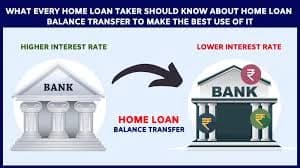
A home loan balance transfer allows you to shift your loan from one bank to another to get a lower interest rate. This can help you reduce EMI and save money over time.
What is a Home Loan Balance Transfer?
Simple Meaning
A home loan balance transfer means moving your existing loan to a new lender offering a lower interest rate.
The new bank pays off your old loan, and you continue repayment with better terms.
Why People Choose Balance Transfer
Lower interest rates
Reduced EMI
Better loan terms
Top-up loan option
How Home Loan Balance Transfer Helps You Save Money
Lower Interest Rate
Even a small reduction in interest rate can save a large amount over time.
Reduced EMI
Lower rates mean smaller monthly payments, improving your financial comfort.
Better Loan Features
You may get flexible repayment options or a longer tenure.
Home Loan Balance Transfer to Lower Interest Rate Process
Step 1: Check Your Current Loan Details
Start by reviewing your current interest rate, remaining tenure, and outstanding balance.
Step 2: Compare Lenders
Research banks and housing finance companies offering lower rates.
Look for:
Interest rate
Processing fees
Customer service
Step 3: Check Eligibility
Each lender has eligibility criteria based on:
Income
Credit score
Repayment history
Step 4: Apply for Balance Transfer
Submit an application with the new lender along with required documents.
Step 5: Document Verification
The new lender verifies your documents and property details.
Step 6: Loan Approval
Once approved, the new bank issues a sanction letter.
Step 7: Loan Closure with Old Lender
Your new lender pays the outstanding amount to your old bank.
Step 8: Start New Loan Repayment
You begin EMI payments to the new lender at a lower interest rate.
Documents Required for Balance Transfer
Personal Documents
Identity proof
Address proof
PAN card
Income Documents
Salary slips or income proof
Bank statements
Loan Documents
Existing loan statement
Sanction letter
Repayment track record
Property Documents
Sale deed
Property papers
Charges Involved in Home Loan Balance Transfer
Processing Fee
Charged by the new lender for handling your application.
Foreclosure Charges
Some lenders charge fees for closing the old loan early.
Legal and Technical Charges
Fees for property verification and legal checks.
Other Costs
Administrative charges
Documentation charges
When Should You Opt for Balance Transfer?
High Interest Rate
If your current loan rate is higher than market rates, consider switching.
Early Stage of Loan
Balance transfer works best when you are in the early years of repayment.
Good Credit Score
A high credit score helps you get better interest rates.
When You Should Avoid Balance Transfer
Near Loan Completion
If your loan is almost finished, savings may be minimal.
High Transfer Costs
If fees are too high, benefits may not justify the transfer.
Small Interest Difference
If the rate difference is very small, savings may be limited.
Tips to Get Lower Interest Rate on Transfer
Maintain Good Credit Score
A score above 750 increases your chances of better rates.
Negotiate with Lenders
Always negotiate for lower rates and fees.
Choose Right Tenure
Avoid extending tenure unnecessarily, as it increases total interest.
Check Hidden Charges
Read all terms carefully before finalizing the transfer.
Top-Up Loan Option with Balance Transfer
What is Top-Up Loan?
You can borrow extra funds along with your balance transfer.
Benefits
Lower interest compared to personal loans
Can be used for renovation, education, or emergencies
Risks of Home Loan Balance Transfer
Longer Tenure Trap
Lower EMI may come with longer repayment period.
Hidden Costs
Some lenders may have hidden charges.
Documentation Hassle
The process involves paperwork and verification.
Direct Answer Snippets
1. What is the home loan balance transfer to lower interest rate process?
The home loan balance transfer process involves shifting your existing loan to another lender offering a lower interest rate. The new lender pays your old loan, and you repay the new loan with reduced EMI and better terms.
2. Is balance transfer beneficial for home loans?
Yes, a balance transfer is beneficial if the new interest rate is significantly lower. It helps reduce EMI, saves total interest, and may offer better repayment options. However, you must consider processing fees and other charges before switching.
3. What documents are needed for home loan balance transfer?
You need identity proof, income proof, bank statements, existing loan documents, and property papers. These documents help the new lender verify your eligibility and process the loan transfer smoothly.
Conclusion
A home loan balance transfer to lower interest rate process is a smart way to reduce your financial burden. It can lower your EMI, save interest, and improve loan terms.
However, it is important to compare lenders, check charges, and calculate actual savings before making a decision. A well-planned transfer can lead to significant long-term benefits.
FAQs
1. How much interest rate difference is needed for balance transfer?
A difference of at least 0.5 percent to 1 percent is usually considered beneficial.
2. Does balance transfer affect credit score?
No, if done properly. In fact, timely repayments can improve your credit score.
3. Can I transfer my home loan multiple times?
Yes, but frequent transfers are not advisable due to charges and documentation.
4. How long does the balance transfer process take?
It usually takes 2 to 4 weeks depending on verification and approval.
5. Can I get a top-up loan with balance transfer?
Yes, many lenders offer top-up loans along with balance transfer.
6. Is balance transfer available for all home loans?
Most home loans are eligible, but approval depends on your credit profile and lender policies.