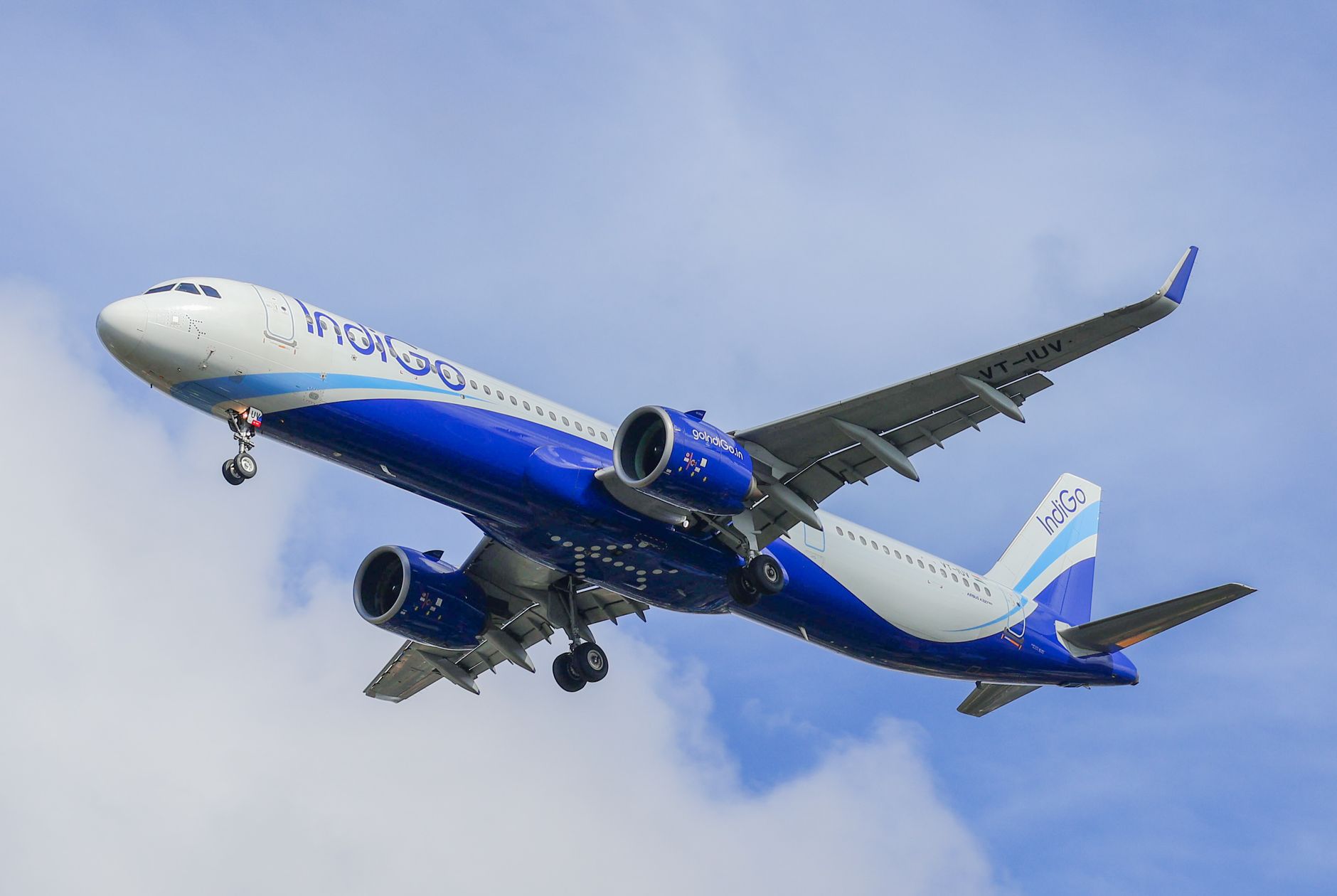
The aviation industry is a dynamic and complex sector, constantly evolving with technological advancements, shifting market demands, and strategic leadership. In India, IndiGo, one of the country's leading low-cost carriers, plays a significant role in shaping domestic air travel. The appointment of Aloke Singh as the Chief Strategy Officer (CSO) marks a pivotal moment for the airline, signaling a renewed focus on strategic growth and market positioning. This role is critical in navigating the competitive landscape, identifying new opportunities, and ensuring the airline's long-term sustainability and profitability. Aloke Singh, with his extensive experience in the aviation and finance sectors, is well-equipped to steer IndiGo's strategic direction.
Understanding the Role of a Chief Strategy Officer in Aviation
The Chief Strategy Officer is a senior executive responsible for developing and executing the company's long-term strategic plan. In the aviation industry, this involves a multifaceted approach, considering factors such as fleet expansion, route network optimization, pricing strategies, technological integration, customer experience enhancement, and regulatory compliance. The CSO must possess a deep understanding of market trends, competitor analysis, and economic factors that influence the airline's performance. They work closely with other departments, including operations, finance, marketing, and human resources, to align the company's actions with its strategic objectives.
Aloke Singh's Background and Expertise
Aloke Singh's appointment to this crucial role at IndiGo is backed by a robust professional history. His experience likely encompasses strategic planning, financial management, and a keen insight into the operational intricacies of the aviation business. Such a background is invaluable for a CSO, enabling them to make informed decisions that balance growth ambitions with financial prudence. His leadership is expected to drive innovation and efficiency, ensuring IndiGo remains competitive and adaptable in a rapidly changing global aviation market. The ability to foresee market shifts and proactively respond to them is a hallmark of effective strategic leadership, and Singh's tenure is anticipated to reflect this.
Strategic Imperatives for IndiGo under Aloke Singh
IndiGo, as a dominant player in the Indian aviation market, faces both immense opportunities and significant challenges. The airline's strategic focus under Singh's guidance will likely encompass several key areas:
1. Network Expansion and Optimization
Expanding the route network, both domestically and internationally, is a common growth strategy for airlines. However, this must be balanced with optimizing existing routes to ensure profitability. Singh will need to analyze demand patterns, competitive intensity, and operational feasibility to make informed decisions about new destinations and frequencies. This includes exploring opportunities in underserved markets and strengthening presence in high-demand corridors. The strategic use of data analytics will be crucial in identifying these opportunities and mitigating risks associated with network expansion.
2. Fleet Modernization and Management
The airline's fleet is its primary asset. Strategic decisions regarding fleet acquisition, retirement, and configuration directly impact operational costs, fuel efficiency, and passenger capacity. Singh's role will involve evaluating the optimal fleet mix to meet market demands, considering factors like aircraft type, age, and maintenance requirements. The transition to more fuel-efficient aircraft and the integration of new technologies will be key considerations for long-term cost savings and environmental sustainability.
3. Enhancing Customer Experience
In a competitive market, customer loyalty is paramount. IndiGo's strategy will likely involve enhancing the overall passenger experience, from booking and check-in to in-flight services and baggage handling. This could involve leveraging technology for seamless travel, offering personalized services, and improving onboard amenities. A focus on customer satisfaction can lead to repeat business and positive word-of-mouth, contributing significantly to market share growth.
4. Digital Transformation and Innovation
The aviation industry is increasingly embracing digital technologies. Singh's strategic vision will likely include leveraging digital tools for operational efficiency, revenue management, and customer engagement. This could involve investing in advanced analytics, AI-powered solutions, and digital platforms to streamline processes, improve decision-making, and create new revenue streams. The adoption of new technologies can also enhance safety and security measures.
5. Financial Prudence and Cost Management
As a low-cost carrier, maintaining cost efficiency is fundamental to IndiGo's business model. Singh's strategic planning will undoubtedly emphasize rigorous cost management and financial discipline. This involves optimizing fuel costs, managing labor expenses, and negotiating favorable terms with suppliers. Ensuring a healthy balance sheet and strong financial performance is crucial for sustained growth and investor confidence.
6. Navigating Regulatory and Geopolitical Landscapes
The aviation sector is heavily regulated and susceptible to geopolitical events. Singh will need to ensure IndiGo remains compliant with all national and international regulations, including safety standards, environmental policies, and air traffic control protocols. Furthermore, understanding and mitigating the impact of geopolitical instability, such as international conflicts or trade disputes, on air travel demand and operational costs will be a critical aspect of his strategic oversight.
Benefits of Strong Strategic Leadership
Effective strategic leadership, as embodied by Aloke Singh's role, brings numerous benefits to an airline like IndiGo:
- Sustainable Growth: A well-defined strategy ensures that growth is not only rapid but also sustainable in the long run, considering market dynamics and resource availability.
- Competitive Advantage: Proactive strategic planning helps the airline stay ahead of competitors by identifying and capitalizing on market opportunities before others.
- Enhanced Profitability: Strategic decisions aimed at cost optimization, revenue enhancement, and efficient operations directly contribute to improved financial performance.
- Adaptability and Resilience: A strong strategic framework allows the airline to adapt quickly to unforeseen challenges and market disruptions, ensuring resilience.
- Improved Stakeholder Value: Consistent performance and a clear vision for the future enhance the value proposition for investors, employees, and customers.
Potential Risks and Challenges
While the strategic role is crucial for growth, it also comes with inherent risks and challenges:
- Market Volatility: Fluctuations in fuel prices, currency exchange rates, and global economic conditions can significantly impact airline profitability and strategic plans.
- Intense Competition: The Indian aviation market is highly competitive, with multiple players vying for market share, which can lead to price wars and reduced margins.
- Regulatory Changes: Evolving government policies, safety regulations, and environmental mandates can necessitate costly adjustments to operations and strategy.
- Technological Disruption: Rapid advancements in technology can render existing systems and strategies obsolete, requiring continuous investment and adaptation.
- Geopolitical Instability: International conflicts, terrorism, and pandemics can severely disrupt air travel, impacting demand and operational feasibility.
Frequently Asked Questions (FAQ)
- What is the primary responsibility of a Chief Strategy Officer in an airline?
The CSO is responsible for developing and overseeing the implementation of the airline's long-term strategic plans, focusing on growth, market positioning, and overall business sustainability. - How does Aloke Singh's role impact IndiGo's operations?
His role influences key decisions related to network expansion, fleet management, customer experience, and technological adoption, all aimed at enhancing IndiGo's competitive edge and financial performance. - What are the key challenges facing the Indian aviation industry today?
Key challenges include intense competition, volatile fuel prices, evolving regulatory frameworks, the need for technological upgrades, and susceptibility to economic downturns and geopolitical events. - How can IndiGo maintain its low-cost advantage while pursuing strategic growth?
IndiGo can maintain its low-cost advantage through continuous operational efficiency improvements, strategic fleet management, optimized route planning, and prudent cost control measures, even as it expands. - What is the significance of strategic planning in the aviation sector?
Strategic planning is vital for navigating the industry's complexities, ensuring long-term viability, adapting to market changes, and achieving sustainable profitability in a highly dynamic and capital-intensive environment.
In conclusion, Aloke Singh's appointment as Chief Strategy Officer at IndiGo underscores the airline's commitment to strategic foresight and sustained growth. His leadership will be instrumental in navigating the complexities of the aviation industry, capitalizing on emerging opportunities, and reinforcing IndiGo's position as a leader in the Indian market. The focus on strategic imperatives, coupled with a keen awareness of potential risks, will guide the airline towards a future of continued success and innovation.
Important Practical Notes
Always verify the latest bank or lender terms directly on official websites before applying. Interest rates, charges, and eligibility can vary by profile, location, and policy updates.
Quick Checklist Before You Apply
Compare offers from multiple providers.
Check hidden charges and processing fees.
Review repayment terms and penalties carefully.
Keep required KYC and income documents ready.