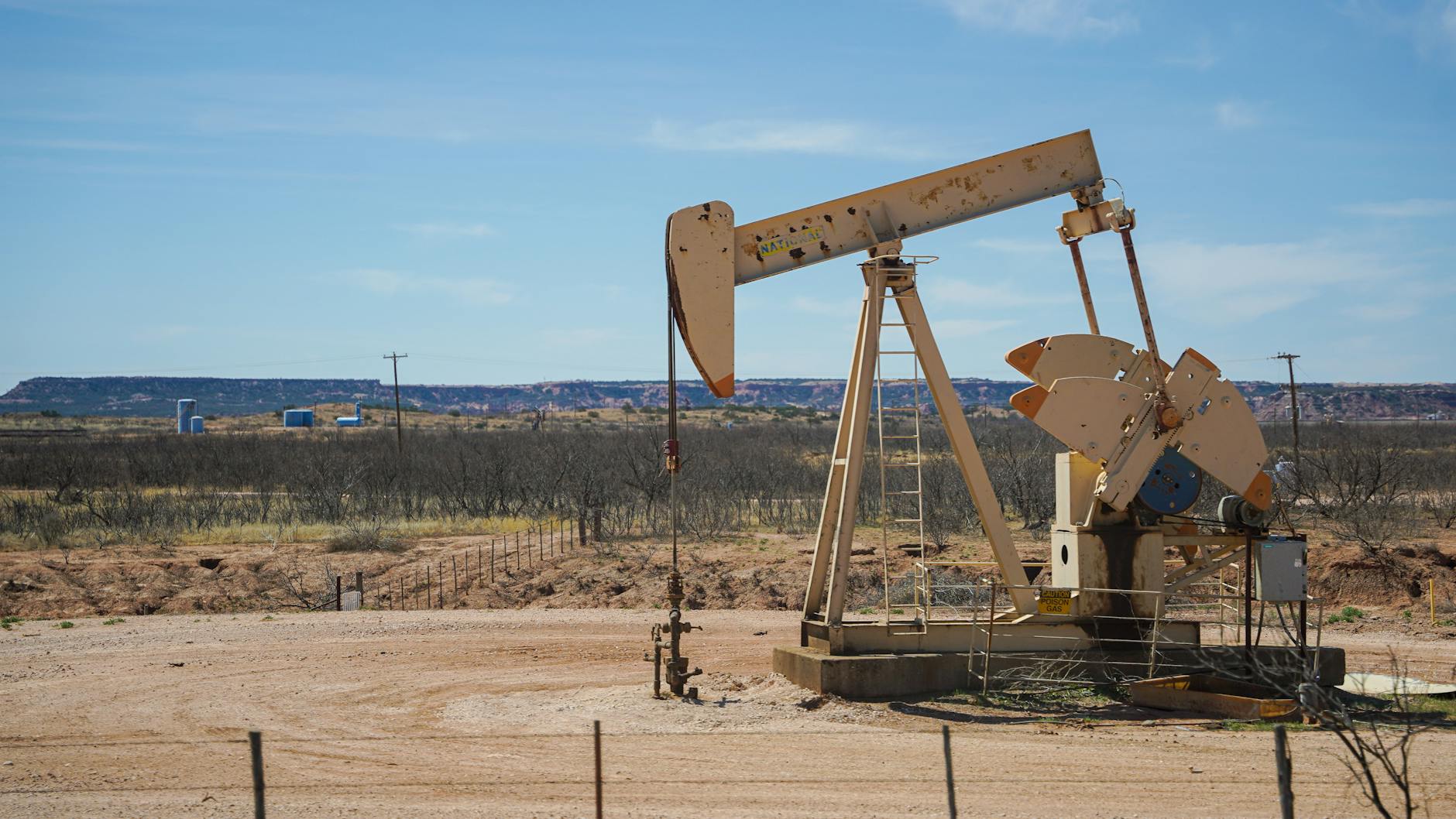
The Indian paint industry, a sector often seen as a bellwether for consumer spending and economic health, is currently navigating a complex landscape. Two of its giants, Asian Paints and Berger Paints, are facing a significant challenge: the sharp rise in crude oil prices. As crude oil prices surge towards $115 per barrel, the traditional volume-value gap in the paint sector is under threat. This article delves into the intricate relationship between crude oil prices and the paint industry, analyzing how this spike impacts Asian Paints and Berger Paints, and what it means for investors and consumers alike.
Understanding the Volume-Value Gap in Paints
Before we dive into the specifics of the crude oil impact, it's crucial to understand the 'volume-value gap' in the context of the paint industry. The paint industry operates on a dual principle: volume and value. Volume refers to the quantity of paint sold, often measured in liters or kilograms. Value, on the other hand, refers to the revenue generated from these sales, influenced by pricing and product mix. Typically, paint companies aim to grow both volume and value. However, sometimes, companies might prioritize value growth over volume growth, especially when facing cost pressures or aiming to improve profit margins. This can happen when they increase prices of premium or specialized paints, or reduce discounts on standard products. Conversely, a healthy growth in both volume and value indicates robust demand and effective pricing strategies.
The Crude Oil Connection
Crude oil is a fundamental raw material for the paint industry. It is the primary source for titanium dioxide (TiO2), a key white pigment, and various solvents and binders used in paint formulations. Approximately 40-50% of the cost of decorative paints is linked to crude oil derivatives. Therefore, any significant fluctuation in crude oil prices directly impacts the manufacturing costs of paint companies.
Impact of Rising Crude Oil Prices
A spike in crude oil prices to $115 per barrel has several direct and indirect consequences for paint manufacturers like Asian Paints and Berger Paints:
- Increased Raw Material Costs: The most immediate impact is the rise in the cost of key raw materials such as TiO2, solvents, and other petrochemical derivatives. This directly squeezes profit margins if companies cannot pass on the increased costs to consumers.
- Pressure on Profit Margins: Paint companies often absorb some of the initial cost increases to maintain market share and avoid alienating customers. However, sustained high crude prices make this unsustainable, forcing them to consider price hikes.
- Potential for Price Increases: To protect their margins, Asian Paints and Berger Paints are likely to increase their product prices. This can range from a modest increase in decorative paints to more significant hikes in premium or industrial coatings.
- Impact on Demand (Volume): Higher paint prices can dampen consumer demand, especially for decorative paints, which are often discretionary purchases. Consumers might postpone renovation or painting projects, leading to a slowdown in volume growth. This is where the volume-value gap becomes critical. If prices increase significantly but volumes stagnate or decline, the overall growth might not be as robust as desired.
- Shift in Product Mix: Companies might strategically push sales of higher-margin products or focus on industrial coatings, which might have less price sensitivity compared to decorative paints.
- Logistics and Transportation Costs: Crude oil prices also influence transportation costs, affecting the overall supply chain and distribution expenses for paint companies.
Asian Paints vs. Berger Paints: A Comparative Analysis
Both Asian Paints and Berger Paints are market leaders in India, but they have different strategies and market positioning, which can influence how they weather the storm of rising crude prices.
Asian Paints
Asian Paints, the largest paint company in India, is known for its strong brand equity, extensive distribution network, and focus on innovation. Its premium product portfolio often allows for better price absorption. However, its sheer scale means that even small shifts in volume can have a significant impact.
- Strengths: Strong brand recall, superior distribution, R&D capabilities, diverse product range including premium offerings.
- Challenges: High volume base makes it susceptible to demand slowdowns; significant exposure to decorative paints.
- Strategy: Likely to leverage its brand strength to implement price increases while focusing on product innovation and operational efficiencies to mitigate cost pressures.
Berger Paints
Berger Paints is the second-largest player and has been consistently gaining market share. It has a strong presence in both decorative and industrial segments and has been investing in capacity expansion and technological advancements.
- Strengths: Aggressive market share acquisition strategy, growing distribution network, diversified product portfolio, focus on premiumization.
- Challenges: May face greater pressure on margins if price increases are not matched by competitors or if demand falters significantly.
- Strategy: Likely to continue its growth trajectory by focusing on product innovation, expanding its dealer network, and potentially using price adjustments strategically to capture market share.
Navigating the Volume-Value Gap
The critical question for both companies and investors is how they will manage the volume-value dynamic. A scenario where prices rise significantly (value growth) but volumes decline or remain stagnant (weak volume growth) is less desirable than balanced growth in both metrics. Companies that can maintain healthy volume growth despite price hikes, perhaps through product differentiation, effective marketing, or catering to less price-sensitive segments, will emerge stronger.
Strategies to manage the gap include:
- Product Innovation: Introducing new products with enhanced features or focusing on niche segments that command higher prices.
- Cost Optimization: Improving manufacturing efficiencies, optimizing supply chains, and exploring alternative raw material sourcing.
- Strategic Pricing: Implementing tiered pricing strategies, offering value-added services, or focusing on premium product segments.
- Channel Management: Strengthening relationships with dealers and distributors to ensure product availability and effective sales strategies.
Investor and Consumer Outlook
For investors, the rising crude oil prices present a mixed bag. While it poses a threat to margins, it also creates an opportunity to identify companies with strong pricing power and efficient cost management. The ability of Asian Paints and Berger Paints to pass on costs without significantly impacting demand will be a key determinant of their future performance.
For consumers, the immediate future likely means higher prices for paints. Those planning renovations might consider undertaking projects sooner rather than later or exploring more budget-friendly paint options. However, the long-term outlook depends on the stability of crude oil prices and the strategic responses of the paint companies.
Frequently Asked Questions (FAQ)
Q1: How much does crude oil price affect the paint industry?
Crude oil derivatives constitute a significant portion (40-50%) of the raw material cost for paints. Therefore, a sharp increase in crude oil prices directly leads to higher manufacturing costs for paint companies.
Q2: Will paint prices increase due to the crude oil spike?
It is highly probable that paint companies like Asian Paints and Berger Paints will increase their product prices to offset the rising raw material costs and protect their profit margins.
Q3: How can paint companies mitigate the impact of rising crude oil prices?
Companies can mitigate the impact through strategies such as product innovation, cost optimization, strategic pricing, focusing on premium segments, and improving supply chain efficiencies.
Q4: What is the volume-value gap in the paint industry?
The volume-value gap refers to the relationship between the quantity of paint sold (volume) and the revenue generated (value). A healthy scenario involves growth in both, while a widening gap might indicate price increases without corresponding volume growth, or vice versa.
Q5: Which paint company is better positioned to handle the crude oil price hike?
Both Asian Paints and Berger Paints have strengths. Asian Paints' strong brand equity and premium portfolio might offer better pricing power, while Berger Paints' aggressive growth strategy and market share gains could help it navigate the situation. The actual performance will depend on their execution and market dynamics.
Conclusion
The surge in crude oil prices to $115 per barrel presents a significant challenge to the Indian paint industry, particularly for giants like Asian Paints and Berger Paints. The delicate balance of the volume-value gap is under pressure, necessitating strategic responses from these companies. While price increases seem inevitable, their ability to maintain demand, innovate, optimize costs, and manage their product mix will determine their success in navigating this volatile period. Investors and consumers alike will be closely watching how these market leaders adapt to protect their profitability and market share in the face of rising input costs.