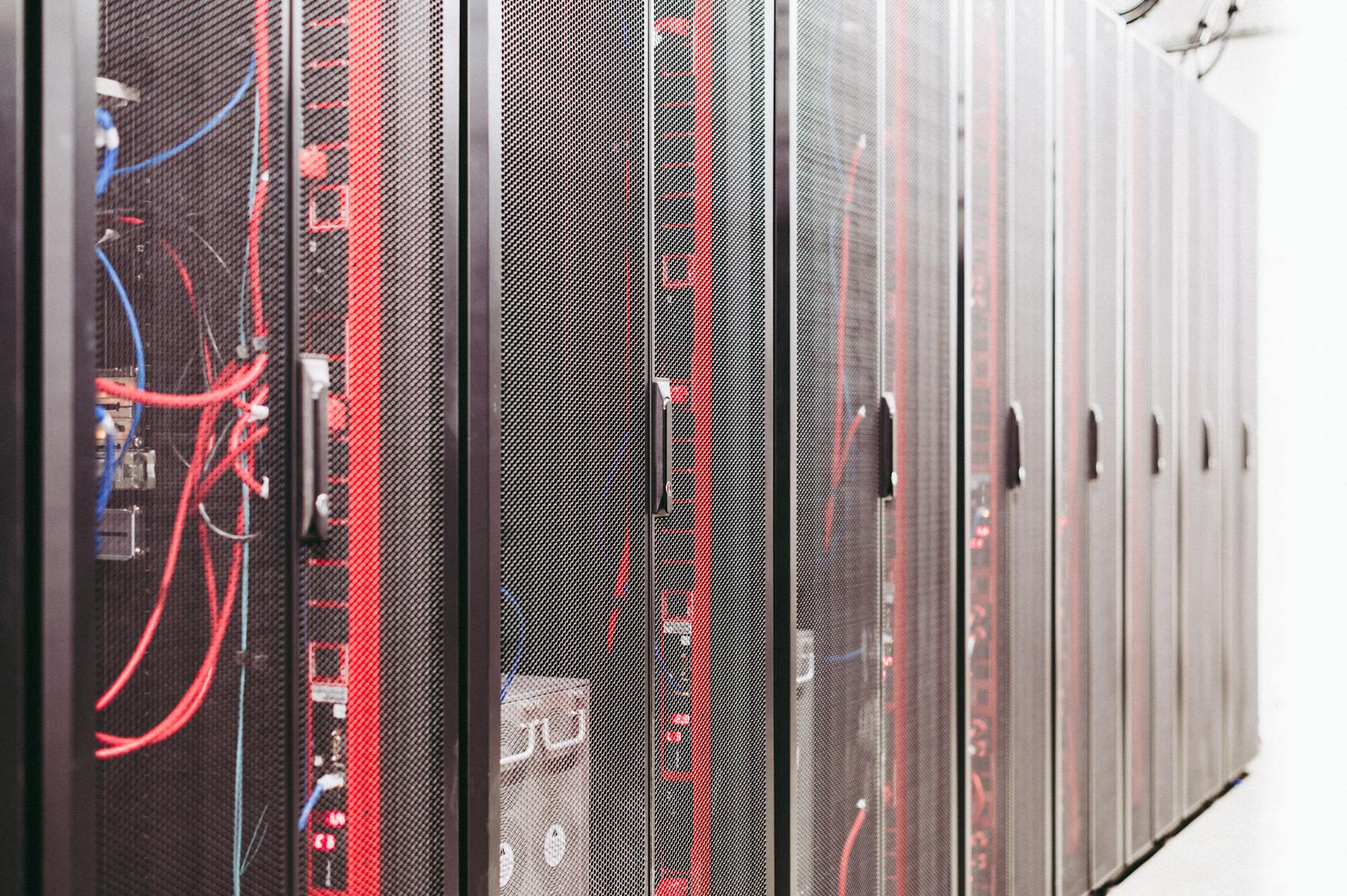
In the rapidly evolving digital landscape of India, data centres are emerging not just as technological infrastructure but as critical strategic assets. Their importance is underscored by the exponential growth in data generation, the increasing reliance on digital services, and the government's push towards a digital economy. This article delves into why data centres are considered strategic assets, their role in India's digital transformation, the factors driving their growth, and the opportunities and challenges they present.
What is a Data Centre?
A data centre is a centralized facility that organizations use to house their critical IT infrastructure, including servers, storage systems, networking equipment, and associated components. These facilities are designed to provide a secure, reliable, and high-performance environment for data processing, storage, and distribution. Key components include:
- Servers: The 'brains' of the operation, processing data and running applications.
- Storage Systems: Where vast amounts of data are stored, from databases to backups.
- Networking Equipment: Routers, switches, and firewalls that enable data flow and security.
- Power Infrastructure: Uninterruptible Power Supplies (UPS), generators, and redundant power feeds to ensure continuous operation.
- Cooling Systems: Essential for maintaining optimal operating temperatures for sensitive equipment.
- Security Systems: Physical security (biometrics, surveillance) and cybersecurity measures.
Why Data Centres Are Strategic Assets for India
The classification of data centres as strategic assets stems from their foundational role in supporting India's digital economy and national security. Several factors contribute to this:
1. Enabling Digital Transformation
India is witnessing a massive digital surge, driven by increased internet penetration, smartphone adoption, and the proliferation of digital services like e-commerce, fintech, and online education. Data centres are the backbone of this transformation, providing the necessary infrastructure to:
- Host Cloud Services: Public, private, and hybrid cloud environments rely heavily on data centres for computing power and storage.
- Support Big Data Analytics: The ability to collect, process, and analyze massive datasets is crucial for business intelligence and innovation.
- Power Emerging Technologies: Artificial Intelligence (AI), Machine Learning (ML), Internet of Things (IoT), and 5G deployment all require robust data centre capabilities.
- Facilitate Digital Payments: The seamless functioning of UPI, net banking, and other digital payment systems depends on secure and efficient data processing.
2. National Security and Data Sovereignty
As data becomes increasingly valuable, its security and control are paramount. Data centres play a vital role in:
- Data Localization: Regulations mandating that sensitive data be stored within India's borders. This ensures that critical national data is not subject to foreign jurisdiction and enhances control over data privacy and security.
- Cybersecurity: Protecting national digital infrastructure from cyber threats and espionage.
- Government Services: Hosting critical government databases and applications, ensuring the smooth functioning of public services.
3. Economic Growth and Job Creation
The data centre industry is a significant contributor to economic growth:
- Investment Magnet: Attracts substantial domestic and foreign investment.
- Job Creation: Generates employment opportunities in construction, IT operations, maintenance, security, and management.
- Ecosystem Development: Fosters the growth of related industries, including hardware manufacturing, software development, and telecommunications.
Factors Driving Data Centre Growth in India
Several key trends are fueling the expansion of the data centre market in India:
- Explosive Data Growth: The volume of data generated by individuals and businesses is growing exponentially, necessitating more storage and processing power.
- Digital India Initiative: Government policies promoting digitalization across sectors.
- Cloud Adoption: Increasing migration of businesses to cloud platforms.
- Rise of Startups: A vibrant startup ecosystem requires scalable IT infrastructure.
- Content Consumption: Growing demand for streaming services and online content.
- Make in India and Data Localization: Government initiatives encouraging domestic manufacturing and mandating data storage within India.
Types of Data Centres
Data centres can be categorized based on their ownership and operational model:
- Enterprise Data Centres: Owned and operated by a single organization for its exclusive use.
- Colocation Data Centres: Facilities where businesses rent space, power, and cooling for their own servers and equipment.
- Managed Services Data Centres: Third-party providers manage IT infrastructure and services for clients.
- Cloud Data Centres: Large-scale facilities operated by cloud providers (like AWS, Azure, Google Cloud) offering services on demand.
Eligibility, Documents, and Charges
For businesses looking to establish or utilize data centre services, the requirements vary:
Eligibility:
- For Colocation/Managed Services: Typically requires a registered business entity, a clear business plan, and the ability to meet contractual obligations.
- For Building a Data Centre: Requires significant capital investment, land acquisition, regulatory approvals, and expertise in IT infrastructure and construction.
Documents:
- For Colocation/Managed Services: Business registration documents, identification proofs, service level agreements (SLAs), and contracts.
- For Building: Land ownership documents, environmental clearances, building permits, IT infrastructure licenses, and security clearances.
Charges/Fees:
- Colocation: Monthly fees based on rack space, power consumption, bandwidth, and support services.
- Managed Services: Fees based on the scope of services, infrastructure managed, and support levels.
- Building a Data Centre: Capital expenditure on land, construction, hardware, software, power, cooling, and ongoing operational expenses (power, cooling, maintenance, staffing).
Benefits of Robust Data Centre Infrastructure
Investing in or utilizing advanced data centres offers numerous advantages:
- Enhanced Performance: Faster data processing and application response times.
- Improved Reliability: High uptime guarantees through redundant systems and robust infrastructure.
- Scalability: Ability to easily scale IT resources up or down based on demand.
- Cost Efficiency: Economies of scale and optimized resource utilization can reduce operational costs compared to in-house solutions.
- Security: Advanced physical and cybersecurity measures protect valuable data.
- Compliance: Helps meet regulatory requirements, including data localization mandates.
Risks Associated with Data Centres
Despite the benefits, data centres face several risks:
- Cybersecurity Threats: Vulnerability to hacking, data breaches, and malware attacks.
- Power Outages: Even with backups, prolonged outages can be catastrophic.
- Natural Disasters: Floods, earthquakes, and fires can damage infrastructure.
- Hardware Failures: Equipment malfunction can lead to downtime.
- Cooling System Failures: Overheating can cause significant damage to servers.
- High Operational Costs: Significant expenditure on power, cooling, and maintenance.
- Regulatory Changes: Evolving data privacy and localization laws can impact operations.
The Future of Data Centres in India
The Indian data centre market is poised for significant growth. Key trends shaping the future include:
- Edge Computing: Processing data closer to the source to reduce latency, especially for IoT and real-time applications.
- AI and ML Integration: Data centres are becoming optimized for AI workloads, requiring specialized hardware and high-speed interconnects.
- Sustainability: Increasing focus on energy efficiency and renewable energy sources to reduce the environmental footprint.
- Hyperscale Data Centres: Construction of massive facilities to meet the demands of global cloud providers.
- Increased Investments: Continued influx of domestic and foreign capital into the sector.
FAQ
Q1: What is the difference between a data centre and a cloud server?
A cloud server is a virtual server running on a physical server located in a data centre. A data centre is the physical facility housing the servers, storage, networking equipment, and all the supporting infrastructure.
Q2: Why is data localization important for India?
Data localization ensures that critical Indian data is stored within the country's borders, enhancing national security, privacy, and regulatory control. It prevents data from being accessed or controlled by foreign governments or entities.
Q3: What are the main challenges in building a data centre in India?
Challenges include high capital investment, land acquisition, securing reliable power supply, obtaining regulatory approvals, ensuring robust cooling, and attracting skilled talent.
Q4: How do data centres contribute to India's economy?
They attract significant investment, create jobs, boost the digital economy, support innovation, and enable the growth of various digital services and industries.
Q5: What is the role of AI in data centres?
AI is used for optimizing data centre operations, predictive maintenance, energy management, and enhancing cybersecurity. Data centres also need to be equipped to handle the massive computational demands of AI training and deployment.
Conclusion: Data centres have evolved from mere IT facilities to indispensable strategic assets for India. Their robust development is crucial for powering the nation's digital ambitions, ensuring data sovereignty, and driving economic growth. As India continues its digital journey, the importance and scale of its data centre infrastructure will only continue to grow.