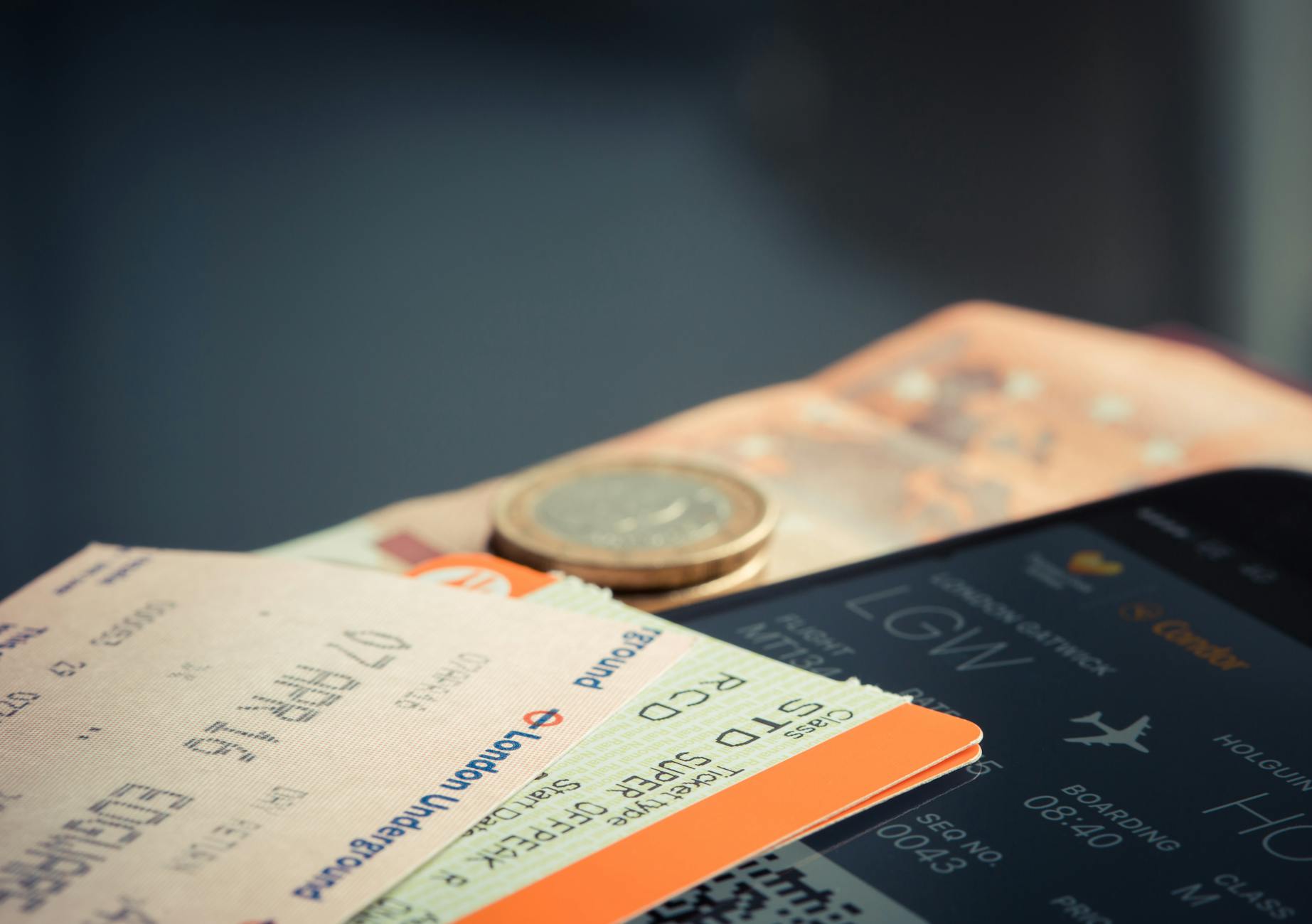
As the summer travel season approaches, Indian travellers are bracing for a significant surge in domestic flight ticket prices. This anticipated hike is primarily attributed to a sharp reduction in the number of flights being operated by airlines. The dynamic interplay between supply and demand is at play here, with fewer flights meaning less capacity to carry passengers, inevitably driving up costs for those seeking to travel by air within the country. This situation presents a considerable challenge for many, especially those who rely on air travel for essential journeys or have planned their vacations anticipating pre-pandemic or early-2023 fare levels. The economic implications are far-reaching, affecting not just individual budgets but also the broader tourism and hospitality sectors that depend on a steady flow of travellers.
Understanding the Factors Behind the Fare Hike
Several key factors are contributing to the current scenario. Airlines, after a period of intense competition and financial strain, are recalibrating their strategies. This often involves optimizing their fleet utilization and route networks. In essence, they are choosing to operate fewer flights on certain routes or at specific times where demand might be lower or profitability is questionable, thereby concentrating their resources on more lucrative segments. This strategic move, while potentially beneficial for airline profitability in the short term, directly impacts the availability of seats for consumers. The reduction in flight frequency means that fewer options are available to travellers, leading to increased competition for the seats that are offered. When demand outstrips supply, prices naturally escalate.
The Impact of Reduced Flight Numbers
The direct consequence of fewer flights is a constrained supply of air travel. For consumers, this translates into:
- Higher Ticket Prices: This is the most immediate and noticeable effect. With fewer seats available, airlines can command higher prices, especially for last-minute bookings or during peak travel periods.
- Limited Choices: Travellers may find fewer flight options in terms of timings and direct routes. This could lead to longer travel times, multiple layovers, and increased inconvenience.
- Reduced Accessibility: For those on a tight budget, the increased fares might make air travel unaffordable, forcing them to consider alternative, often slower and less convenient, modes of transport.
Airlines often adjust their capacity based on a complex analysis of operational costs, fuel prices, aircraft availability, and projected passenger demand. During peak seasons like summer, demand typically rises. However, if airlines simultaneously reduce their operational capacity by cutting flights, the imbalance between demand and supply becomes acute, leading to the observed price surge.
Navigating the Increased Airfares: Strategies for Travellers
While the prospect of higher airfares can be daunting, savvy travellers can employ several strategies to mitigate the impact on their budgets:
1. Book in Advance
This is perhaps the most effective strategy. Airlines typically release tickets months in advance, and the earliest bookings often come with the lowest fares. As the travel date approaches and seats fill up, prices tend to increase significantly. Booking several weeks or even months ahead can secure considerably cheaper tickets.
2. Be Flexible with Travel Dates and Times
If your travel dates are flexible, try to fly on weekdays (Tuesdays, Wednesdays) or during off-peak hours (early morning or late night). These flights are often less in demand and therefore cheaper. Avoiding travel during major holidays, long weekends, and school vacation periods can also lead to substantial savings.
3. Compare Fares Across Airlines and Platforms
Never settle for the first price you see. Utilize flight comparison websites and apps to compare fares offered by different airlines. Sometimes, booking directly with the airline might be cheaper, while at other times, third-party travel agents offer better deals. Keep an eye out for promotional offers and discounts.
4. Consider Alternative Airports
In some cases, flying to or from a secondary airport near your destination can be cheaper. While this might involve additional ground transportation costs, the savings on the flight ticket could still make it a viable option.
5. Look for Budget Airlines
Budget carriers often offer lower base fares, although they charge extra for ancillary services like baggage, seat selection, and meals. Carefully calculate the total cost, including all add-ons, to determine if a budget airline is indeed more economical for your specific travel needs.
6. Travel Light
Many airlines, especially budget ones, have strict baggage policies. Travelling with only cabin baggage can help you avoid checked baggage fees, which can add up significantly. Ensure your cabin baggage complies with the airline's size and weight restrictions.
The Broader Economic Context
The current situation is not unique to India. Airlines globally face the challenge of balancing operational costs with revenue generation. Factors such as rising fuel prices, increased airport charges, and the need for fleet modernization all contribute to the cost structure of airlines. In response to these pressures, airlines often resort to capacity management, which includes adjusting flight schedules. While this is a standard business practice, its timing, coinciding with peak travel demand, can create significant consumer friction.
The Indian aviation market is highly competitive, with several major players vying for market share. However, profitability has historically been a challenge for many Indian carriers due to thin margins and high operational costs. Therefore, strategic decisions regarding capacity deployment are crucial for their survival and growth. The current reduction in flights could be a sign of airlines prioritizing profitability and sustainability over aggressive market expansion, at least in the short to medium term.
Potential Long-Term Implications
If this trend of reduced flight numbers and increased fares persists, it could have several long-term implications:
- Shift in Travel Preferences: Travellers might increasingly opt for other modes of transport, such as railways or personal vehicles, for shorter to medium distances, impacting the aviation sector's growth.
- Impact on Tourism: Higher airfares can deter both domestic and international tourists, potentially affecting the growth of India's tourism industry, which is a significant contributor to the economy.
- Regional Connectivity Challenges: Routes that are less profitable might see further reductions in flights, potentially impacting regional connectivity and economic development in those areas.
The government's role in monitoring the aviation sector, ensuring fair competition, and promoting affordable air travel, particularly under schemes like UDAN (Ude Desh Ka Aam Nagrik) aimed at enhancing regional connectivity, becomes even more critical in such scenarios. Balancing the financial health of airlines with the affordability and accessibility of air travel for the common citizen remains a key challenge.
Frequently Asked Questions (FAQ)
Q1: Why are domestic flight fares increasing this summer?
Domestic flight fares are increasing primarily because airlines are operating fewer flights. This reduction in capacity, coupled with the usual increase in demand during the summer travel season, leads to higher prices due to the basic economic principle of supply and demand.
Q2: How can I find cheaper flight tickets despite the fare hike?
To find cheaper tickets, try booking well in advance, be flexible with your travel dates and times, compare fares across different airlines and booking platforms, consider budget airlines (calculating total costs), and travel light to avoid baggage fees.
Q3: Will flight prices come down after the summer season?
It is possible that prices may stabilize or decrease after the peak summer season as demand typically reduces. However, this also depends on airlines' capacity management strategies and operational costs, which are influenced by factors like fuel prices and overall economic conditions.
Q4: Are budget airlines always cheaper?
Budget airlines often have lower base fares, but they charge extra for services like checked baggage, seat selection, meals, and priority boarding. It's essential to calculate the total cost, including all desired add-ons, to compare accurately with full-service carriers.
Q5: What is the role of fuel prices in airfare?
Fuel (primarily aviation turbine fuel or ATF) is one of the largest components of an airline's operating costs. Fluctuations in global crude oil prices directly impact ATF prices, and consequently, airlines often adjust their fares to account for these changes, especially when prices rise significantly.
Disclaimer: This information is for general awareness only and does not constitute financial or travel advice. Fares and flight availability are subject to change. Always verify details with airlines and travel providers before making bookings.