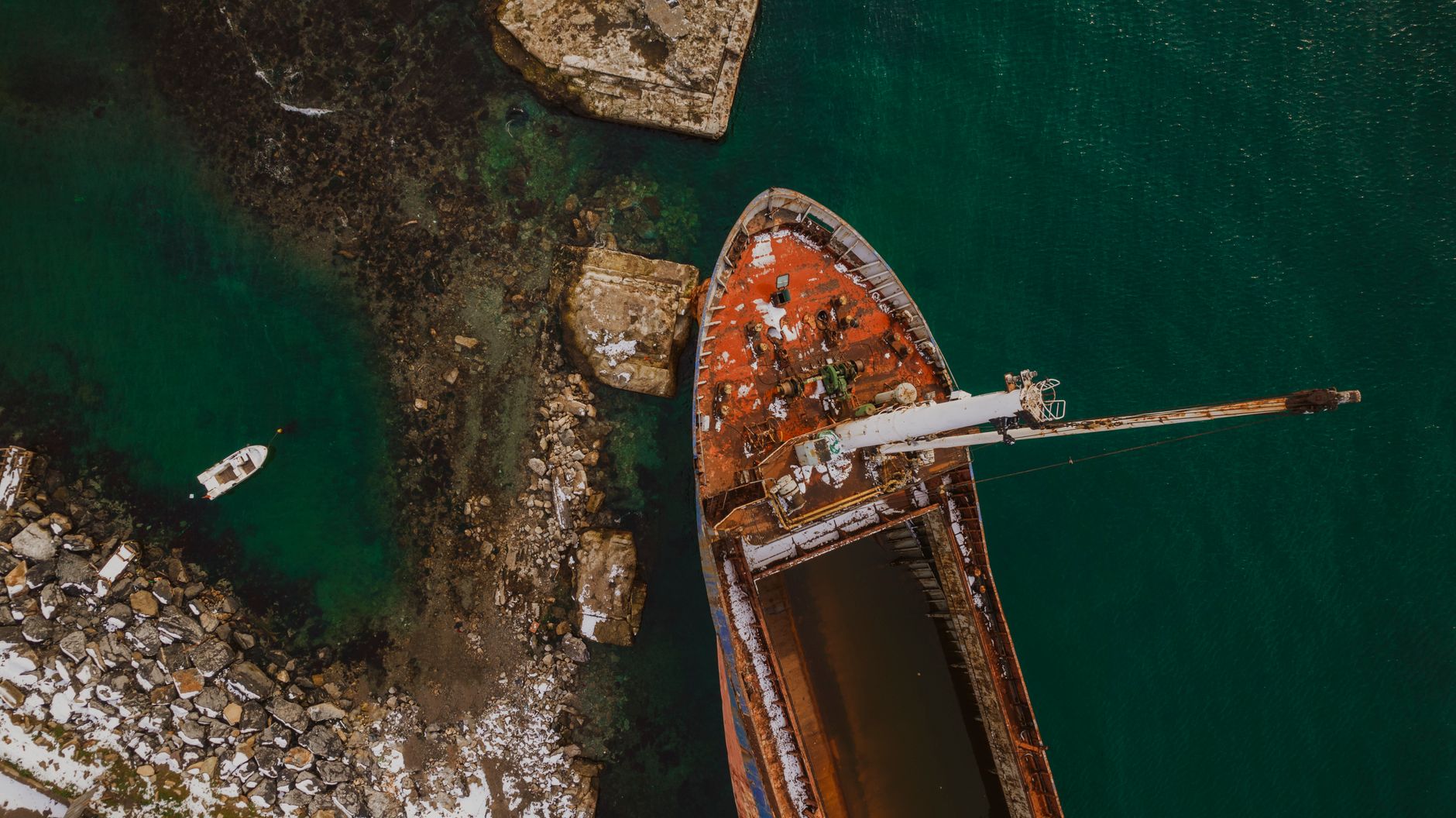
The recent incident involving drones and burning ships off the coast of Iran has brought to the forefront the plight of Indian sailors caught in geopolitical crossfire. These mariners, often the unsung heroes of global trade, find themselves stranded, their primary concern shifting from cargo manifests to simply returning home to their families. This situation highlights the inherent risks faced by seafarers and the complex international dynamics that can impact their lives. The incident, which reportedly involved drone attacks on commercial vessels, has raised serious concerns about maritime security in the region. For the Indian sailors aboard these affected ships, the immediate aftermath is one of uncertainty, anxiety, and a desperate longing for repatriation. Their stories, often untold, underscore the human cost of conflicts and tensions that extend far beyond the immediate battlefield.
Understanding the Maritime Context
The waters off Iran are a critical artery for global shipping, particularly for oil and gas transport. This strategic importance also makes them a potential flashpoint for geopolitical rivalries. Maritime incidents, whether accidental or intentional, can have far-reaching consequences, disrupting supply chains and endangering the lives of those who work at sea. The involvement of drones in such attacks represents a modern escalation in naval warfare and security threats, posing new challenges for vessel safety and crew protection.
The Plight of Stranded Sailors
For the Indian sailors involved, the experience is harrowing. Beyond the immediate danger of the attacks, they face prolonged periods of uncertainty. Their vessels may be damaged, their routes disrupted, and their ability to communicate with the outside world limited. The psychological toll of such an ordeal cannot be overstated. They are away from their families, often for months at a time, and an incident like this adds immense stress and fear. The desire to return home becomes paramount, overshadowing any professional obligations or concerns about the cargo.
International Maritime Law and Crew Welfare
International maritime law, through conventions like the Maritime Labour Convention (MLC), 2006, aims to ensure the welfare of seafarers. However, in situations of conflict or severe security threats, the implementation of these protections can be challenging. The repatriation of stranded sailors is a complex process, often involving negotiations between ship owners, flag states, port states, and potentially the governments of the affected nations. The priority is always the safety and well-being of the crew.
Challenges in Repatriation
Repatriation is not a simple matter of booking a flight. It involves ensuring the vessel is safe, arranging for alternative crew if necessary, and navigating the legal and logistical hurdles of international travel, especially in a region experiencing heightened tensions. The cost and complexity of these operations can be significant. Furthermore, the sailors themselves may be considered witnesses or involved in ongoing investigations, which can further complicate their immediate return.
The Role of Governments and International Bodies
In such crises, the role of national governments and international organizations like the International Maritime Organization (IMO) becomes crucial. Governments are expected to provide consular assistance to their citizens, advocating for their safe release and repatriation. International bodies work to ensure that maritime routes remain safe and that international conventions protecting seafarers are upheld. The Indian government, in particular, has a responsibility to its citizens working on international vessels and would be expected to engage actively in diplomatic efforts to secure the sailors' return.
Lessons Learned and Future Preparedness
This incident serves as a stark reminder of the vulnerabilities of maritime trade and the human element within it. It underscores the need for enhanced maritime security measures in sensitive regions. For the shipping industry, it highlights the importance of robust crisis management protocols and effective communication channels to ensure the safety and well-being of crews during emergencies. The use of advanced technologies like drones in attacks necessitates a re-evaluation of existing security strategies and the development of countermeasures.
The focus, however, must remain on the immediate humanitarian aspect: ensuring the safe and swift return of the stranded Indian sailors. Their ordeal is a testament to the risks they undertake daily to keep global commerce moving. Their simple wish to go home is a powerful reminder of the human lives affected by geopolitical events.
Frequently Asked Questions (FAQ)
Q1: What are the primary concerns for sailors stranded due to maritime incidents?
The primary concerns are safety, security, communication with families, and swift repatriation. The psychological stress of being in a dangerous situation, away from loved ones, is also a significant factor.
Q2: What is repatriation in the context of maritime incidents?
Repatriation refers to the process of sending sailors back to their home country after their tour of duty, or in emergency situations like vessel damage, detention, or geopolitical crises. It involves arranging for their travel and ensuring their safe passage home.
Q3: Who is responsible for the welfare and repatriation of sailors?
Responsibility is shared among the ship owner, the flag state of the vessel, and the seafarer's home country. International maritime conventions like the MLC, 2006, outline the rights and welfare standards for seafarers.
Q4: How do geopolitical tensions affect maritime trade and sailors?
Geopolitical tensions can lead to increased security risks in shipping lanes, potential disruptions to trade routes, and heightened danger for vessels and their crews. This can result in delays, detentions, and the need for emergency repatriation.
Q5: What steps can be taken to improve maritime security in high-risk areas?
Improving maritime security involves a multi-faceted approach, including enhanced naval patrols, intelligence sharing, the use of advanced surveillance technology, adherence to international security protocols (like those from the IMO), and diplomatic efforts to de-escalate regional tensions.
Q6: How can families stay informed about the situation of stranded sailors?
Families can typically stay informed through the shipping company, which has a duty to communicate updates. Embassies or consulates of the sailors' home country in the region can also be a source of information and assistance.
Q7: What are the long-term implications of such incidents for the shipping industry?
Such incidents can lead to increased insurance costs, rerouting of vessels, a reassessment of security measures, and potentially a shortage of willing seafarers if safety concerns are not adequately addressed. It also emphasizes the need for better international cooperation on maritime security.
Q8: How does the use of drones change maritime warfare and security?
Drones introduce a new layer of threat, allowing for remote attacks that can be difficult to detect and defend against. They can be used for reconnaissance or direct attack, posing a significant challenge to traditional naval defenses and vessel security.
Q9: What is the role of the International Maritime Organization (IMO) in such events?
The IMO is the United Nations specialized agency responsible for the safety and security of shipping and the prevention of marine pollution by ships. In crisis situations, it provides guidance, facilitates communication, and works to uphold international maritime conventions.
Q10: What can sailors do to prepare for potential risks at sea?
Sailors can ensure they are familiar with their vessel's emergency procedures, maintain open communication lines with their families and employers, and stay informed about the geopolitical situation in the areas they will be transiting. Understanding their rights under maritime law is also crucial.
Important Practical Notes
Always verify the latest bank or lender terms directly on official websites before applying. Interest rates, charges, and eligibility can vary by profile, location, and policy updates.
Quick Checklist Before You Apply
Compare offers from multiple providers.
Check hidden charges and processing fees.
Review repayment terms and penalties carefully.
Keep required KYC and income documents ready.