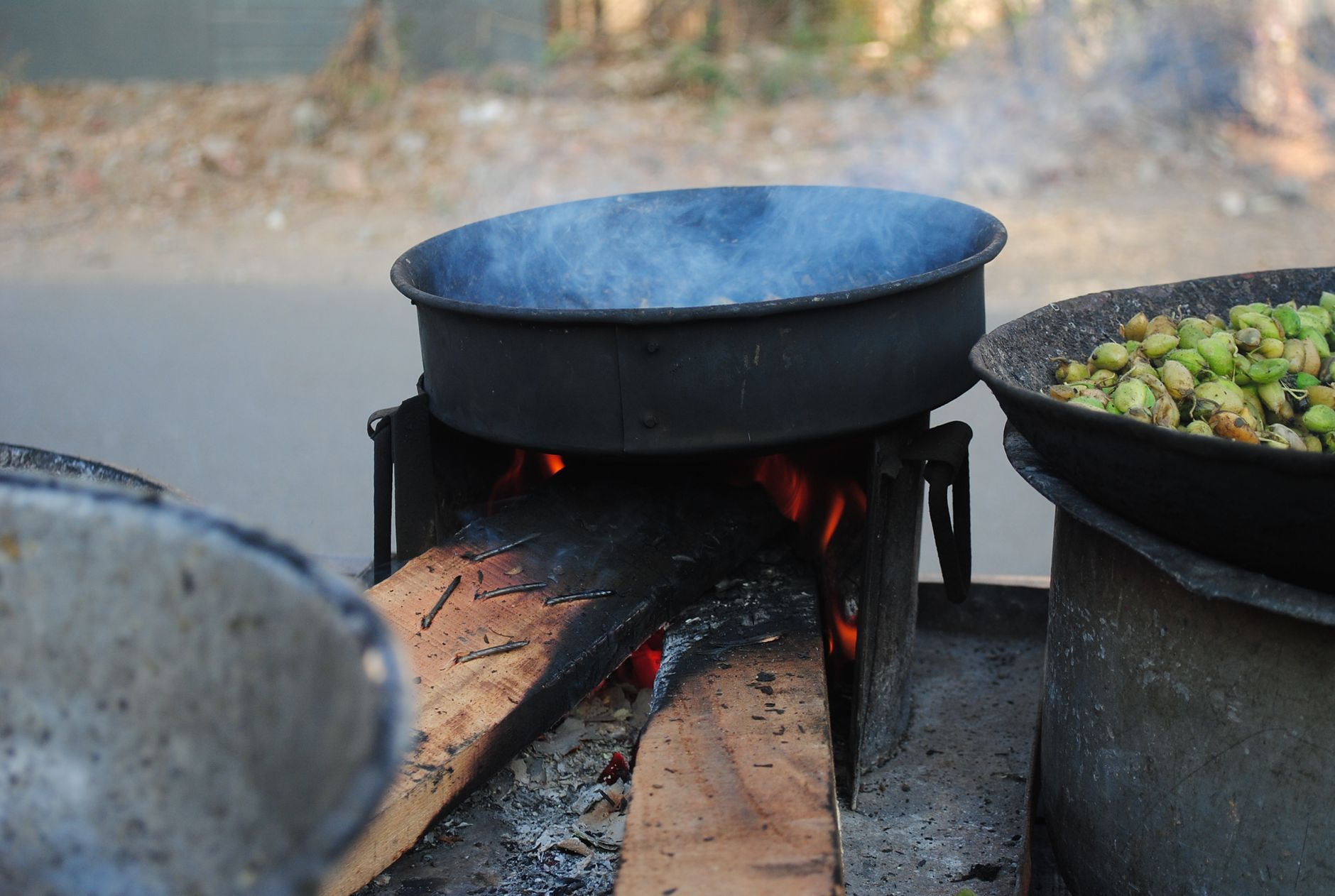
The push towards sustainable energy sources is gaining momentum across various sectors in India, with a significant focus on increasing the adoption of biofuels. This shift is driven by a confluence of factors, including environmental concerns, energy security objectives, and the government's commitment to reducing reliance on fossil fuels. Companies, particularly in the transportation and cooking sectors, are actively exploring and advocating for greater utilization of biofuels. This article delves into the current landscape, challenges, and future prospects of biofuel adoption in India, offering insights relevant to consumers and businesses alike.
What are Biofuels?
Biofuels are renewable energy sources derived from organic matter, commonly known as biomass. This biomass can include agricultural crops, animal waste, and even algae. Unlike fossil fuels, which are finite and contribute significantly to greenhouse gas emissions, biofuels are considered carbon-neutral or carbon-negative when produced and consumed sustainably. The primary types of biofuels include:
- Bioethanol: An alcohol made from fermenting sugars found in crops like sugarcane, corn, and potatoes. It is often blended with gasoline.
- Biodiesel: Produced from vegetable oils, animal fats, or recycled greases. It can be used in diesel engines, often blended with conventional diesel.
- Biogas: Generated from the anaerobic digestion of organic matter, primarily used for cooking and electricity generation.
- Solid Biofuels: Such as wood, agricultural residues, and animal dung, used for heating and cooking.
The Growing Demand for Biofuels in India
India's energy landscape is undergoing a transformation, with biofuels playing an increasingly crucial role. Several factors are contributing to this growing demand:
- Environmental Imperative: With rising concerns about air pollution and climate change, biofuels offer a cleaner alternative to fossil fuels. Their use can significantly reduce carbon emissions and improve air quality, especially in urban areas.
- Energy Security: India is heavily reliant on imported crude oil, making it vulnerable to global price fluctuations and geopolitical instability. Increasing domestic biofuel production enhances energy independence and security.
- Government Initiatives: The Indian government has set ambitious targets for biofuel blending, such as the 20% ethanol blending target (E20) for petrol by 2025. Policies like the National Biofuel Policy provide a framework and incentives for biofuel production and promotion.
- Agricultural Economy Boost: Promoting biofuels can create new income streams for farmers by providing a market for agricultural produce and residues. This can help in rural development and economic upliftment.
- Cost-Effectiveness: In the long run, biofuels can offer a more stable and potentially lower-cost energy source compared to volatile fossil fuel prices, especially as production scales up and technology improves.
Biofuels in the Transport Sector
The transportation sector is a major consumer of fossil fuels and a significant contributor to pollution. Biofuels present a viable alternative:
Ethanol Blending
Ethanol, primarily produced from sugarcane molasses and surplus food grains, is being increasingly blended with petrol. The E10 (10% ethanol blend) is already widely available, and the move towards E20 aims to further reduce petrol consumption and emissions. While E20 is compatible with most modern vehicles, older models might require modifications. The benefits include reduced tailpipe emissions, lower reliance on imported petrol, and support for the sugar industry.
Biodiesel
Biodiesel, derived from non-edible oils, used cooking oil, and animal fats, is being explored as a substitute for diesel. Blending biodiesel with conventional diesel can reduce particulate matter and sulfur emissions. The government is encouraging the production of biodiesel from various feedstocks to meet demand and reduce waste.
Challenges in Transport Biofuel Adoption
- Feedstock Availability: Ensuring a consistent and sustainable supply of biomass without impacting food security is a major challenge.
- Infrastructure: Developing adequate infrastructure for production, storage, and distribution of biofuels is crucial.
- Vehicle Compatibility: Ensuring that existing and new vehicles are compatible with higher biofuel blends is essential for widespread adoption.
- Cost of Production: While prices are expected to decrease with scale, the initial cost of producing biofuels can sometimes be higher than fossil fuels.
Biofuels in the Cooking Sector
The use of biofuels for cooking, particularly biogas and improved cookstoves using solid biofuels, is gaining traction, especially in rural and semi-urban areas. This addresses critical issues related to indoor air pollution and the drudgery of fuel collection.
Biogas for Cooking
Biogas, produced from animal dung, agricultural waste, and kitchen waste through anaerobic digestion, is a clean and efficient cooking fuel. Government schemes like the National Biogas and Manure Management Programme (NBMMP) promote the installation of domestic and community biogas plants. The benefits include providing clean cooking fuel, reducing reliance on firewood and LPG, and generating organic manure, which improves soil fertility.
Improved Cookstoves
For areas where biogas may not be feasible, improved cookstoves that use biomass more efficiently and with reduced emissions are being promoted. These stoves burn firewood, agricultural residues, or dung cakes more cleanly than traditional open fires, leading to better indoor air quality and reduced fuel consumption.
Challenges in Cooking Biofuel Adoption
- Biogas Plant Management: Ensuring proper maintenance and operation of biogas plants, especially in rural households, requires technical support and training.
- Feedstock Collection: Consistent availability of feedstock for biogas plants and sustainable sourcing of biomass for improved cookstoves can be challenging.
- Behavioral Change: Encouraging the adoption of new cooking technologies and practices often requires significant behavioral change and awareness campaigns.
- Initial Investment: While long-term savings are significant, the initial cost of installing a biogas plant or purchasing an improved cookstove can be a barrier for some households.
Benefits of Increased Biofuel Use
The widespread adoption of biofuels offers a multitude of benefits:
- Environmental Protection: Reduced greenhouse gas emissions, improved air quality, and mitigation of climate change impacts.
- Economic Growth: Creation of jobs in agriculture, manufacturing, and distribution; support for rural economies; and reduced import bills.
- Energy Security: Diversification of energy sources and reduced dependence on imported fossil fuels.
- Health Improvements: Reduced indoor air pollution from cleaner cooking fuels, leading to better respiratory health.
- Waste Management: Utilization of agricultural and organic waste, turning potential pollutants into valuable energy resources.
Risks and Considerations
While the benefits are substantial, certain risks and considerations need to be addressed:
- Land Use Competition: Growing energy crops for biofuels could compete with land needed for food production, potentially impacting food prices and availability.
- Water Consumption: Some biofuel crops require significant amounts of water, which could strain water resources in water-scarce regions.
- Technological Maturity: While some biofuels are well-established, others, like advanced biofuels from non-food sources, are still under development and may face technological hurdles.
- Sustainability Certification: Ensuring that biofuels are produced sustainably, considering their entire lifecycle impact, is crucial to realizing their environmental benefits.
The Way Forward
To accelerate the adoption of biofuels, a concerted effort is required from the government, industry, and consumers. Key strategies include:
- Policy Support: Continued and strengthened policy support, including incentives, mandates, and clear regulatory frameworks, is essential.
- Research and Development: Investing in R&D for advanced biofuels, efficient production technologies, and sustainable feedstock development.
- Infrastructure Development: Building robust infrastructure for biofuel production, blending, distribution, and end-use.
- Awareness and Education: Educating consumers and industries about the benefits and proper use of biofuels.
- Sustainable Sourcing: Implementing robust sustainability criteria to ensure that biofuel production does not lead to negative environmental or social consequences.
Frequently Asked Questions (FAQ)
Q1: Will using biofuels in my car damage the engine?
For E10 (10% ethanol blend), most modern vehicles are compatible. For E20, while many new vehicles are designed to handle it, older vehicles might require minor modifications. It's advisable to check your vehicle's manual or consult with the manufacturer regarding compatibility with higher ethanol blends.
Q2: Is biogas a safe cooking fuel?
Yes, biogas is a safe and clean cooking fuel when used with appropriate appliances and safety measures. It burns cleanly with minimal smoke, reducing indoor air pollution significantly compared to traditional fuels like firewood.
Q3: Can all types of agricultural waste be used to produce biofuels?
Different types of biomass are suitable for different biofuel production methods. For instance, sugary crops are ideal for bioethanol, while oily seeds and animal fats are used for biodiesel. Agricultural residues can be used for biogas or advanced biofuels. The suitability depends on the specific feedstock and the technology employed.
Q4: How does biofuel usage contribute to India's energy security?
By increasing the domestic production and use of biofuels, India reduces its dependence on imported crude oil and natural gas. This diversification of energy sources enhances national energy security and insulates the economy from global price volatility.
Q5: What are the environmental benefits of using biofuels over fossil fuels?
Biofuels generally have a lower carbon footprint than fossil fuels. Their combustion releases fewer greenhouse gases, and the plants used to produce them absorb CO2 from the atmosphere during their growth. This helps in mitigating climate change and improving air quality.
In conclusion, the increasing interest and advocacy from firms for higher biofuel usage in transport and cooking signal a positive shift towards a more sustainable energy future for India. While challenges remain, the potential benefits for the environment, economy, and public health make biofuels a critical component of India's energy transition strategy.