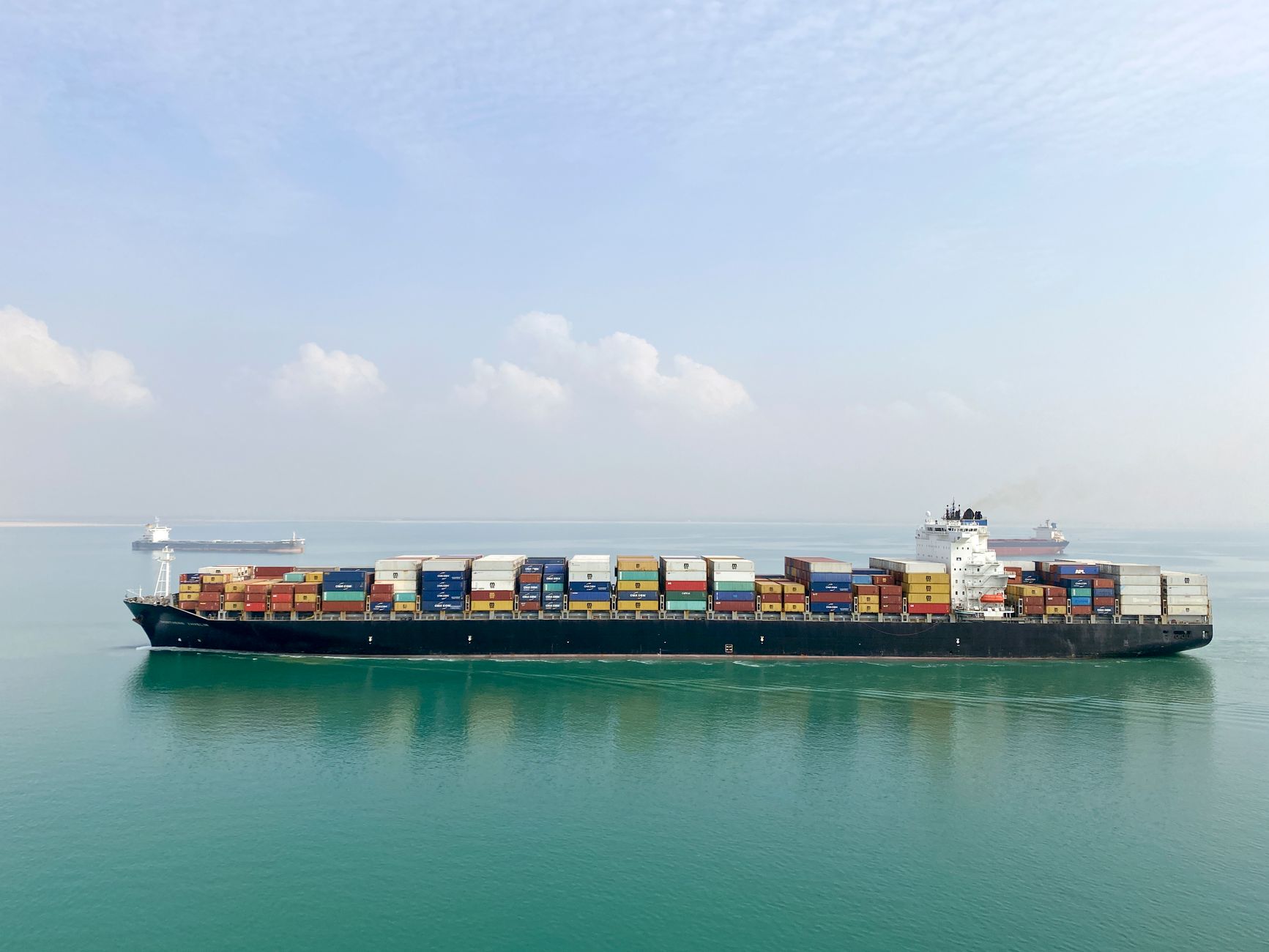
The geopolitical tensions in West Asia have sent shockwaves across global trade, and India, particularly its eastern region, is feeling the heat. A significant surge in freight costs, coupled with an impending shortage of Liquefied Petroleum Gas (LPG), is severely impacting the export sector of Eastern India. This confluence of crises poses a substantial challenge to businesses that rely on international markets for their growth and survival. Understanding the nuances of these issues is crucial for stakeholders to navigate the turbulent economic landscape.
The West Asia Crisis: A Ripple Effect on Global Trade
The ongoing conflict and instability in West Asia have disrupted crucial shipping routes and increased the perceived risk associated with trade in the region. This has led to a dramatic escalation in freight charges as shipping companies factor in higher insurance premiums, longer transit times due to rerouting, and increased operational costs. For India, which imports a significant portion of its crude oil and LPG from West Asia, this crisis directly translates into higher import bills and supply chain vulnerabilities.
Freight Surge: The New Reality for Exporters
The cost of shipping goods internationally has skyrocketed. This surge is not just a minor inconvenience; it's a major blow to the profitability of Indian exporters, especially those in the eastern states. Many of these businesses operate on thin margins, and the increased freight costs can render their products uncompetitive in the global market. For instance, a manufacturer exporting textiles or handicrafts from West Bengal might find that the shipping cost alone now exceeds the profit margin, making the entire export transaction unviable. This situation forces businesses to either absorb the losses, pass on the costs to consumers (which can reduce demand), or explore alternative, often less efficient, markets.
Impact on Eastern India's Export Basket
Eastern India's export profile includes a diverse range of products such as jute goods, leather products, handicrafts, tea, and some processed food items. Many of these are relatively low-value, high-volume goods where freight costs play a disproportionately large role in the final landed price. The current freight surge makes it difficult for these traditional export sectors to compete with manufacturers from other regions or countries that are not as heavily impacted by the West Asia crisis or have more efficient logistics networks. The economic implications are far-reaching, potentially leading to reduced production, job losses, and a slowdown in regional economic development.
LPG Shortage: A Looming Threat
West Asia is a primary source of LPG for India. The disruptions in the region not only affect the availability of crude oil but also the supply of vital petrochemical products like LPG. A shortage of LPG has a dual impact: it affects domestic consumers, particularly households relying on cooking gas, and it cripples industries that use LPG as a fuel source or raw material. Many small and medium-sized enterprises (SMEs) in Eastern India, including those in the food processing, metal fabrication, and chemical sectors, depend on a steady supply of LPG for their operations. An LPG shortage can lead to production halts, increased operational costs due to the need to find alternative fuels, and a general slowdown in industrial activity.
Consequences for Industrial Operations
The unavailability or exorbitant pricing of LPG forces industries to seek alternatives, which may not be readily available or cost-effective. This can lead to a decline in production capacity and efficiency. For export-oriented industries, this translates into an inability to meet international orders, damaging their reputation and potentially leading to contract cancellations. The ripple effect extends to the entire supply chain, affecting raw material suppliers, logistics providers, and ultimately, the end consumers.
Government and Industry Responses
The Indian government is actively monitoring the situation and exploring measures to mitigate the impact. These may include diversifying import sources for crude oil and LPG, exploring alternative shipping routes, and providing support to affected industries. The Ministry of Commerce and Industry, along with the Ministry of Petroleum and Natural Gas, are likely coordinating efforts to address the dual challenge. Industry bodies are also playing a crucial role in advocating for policy support and facilitating dialogue between businesses and the government. Strategies might include encouraging domestic production of alternatives, optimizing existing logistics, and seeking long-term supply agreements with non-West Asian regions.
Potential Mitigation Strategies for Businesses
Businesses in Eastern India are being advised to:
- Diversify Markets: Explore export opportunities in regions less affected by the West Asia crisis, such as Southeast Asia, Africa, or even North America.
- Optimize Logistics: Work closely with shipping companies to find the most cost-effective routes and consolidate shipments where possible.
- Hedging Strategies: For businesses dealing with significant currency fluctuations due to import costs, explore financial hedging instruments.
- Alternative Fuels/Raw Materials: Investigate and adopt alternative energy sources or raw materials if LPG supply remains constrained.
- Cost Management: Implement stringent cost-control measures across all operational areas to offset increased freight and energy expenses.
- Government Support: Stay informed about and apply for any government schemes or subsidies designed to support export-oriented industries facing such challenges.
The Road Ahead: Resilience and Adaptation
The current crisis underscores the vulnerability of global supply chains and the interconnectedness of geopolitical events with economic outcomes. For Eastern India's export sector, the path forward requires resilience, adaptability, and strategic planning. While the immediate challenges are significant, they also present an opportunity to re-evaluate existing business models, strengthen domestic capabilities, and build a more robust and diversified export ecosystem. The ability to navigate these turbulent times will determine the long-term competitiveness and sustainability of the region's industries.
Frequently Asked Questions (FAQ)
Q1: How does the West Asia crisis directly impact Indian exports?
The crisis leads to increased shipping costs (freight surge) due to higher insurance and rerouting, and potential shortages of key commodities like LPG, which are crucial for industrial operations and exports. This makes Indian goods less competitive globally and disrupts production.
Q2: What specific industries in Eastern India are most affected?
Industries that rely heavily on exports and use LPG as a fuel or raw material are most affected. This includes sectors like jute, leather, handicrafts, tea, food processing, metal fabrication, and chemicals.
Q3: What are the primary reasons for the surge in freight costs?
The primary reasons include increased insurance premiums for shipping in or near conflict zones, rerouting of vessels to avoid affected areas leading to longer transit times, and general uncertainty in the global shipping market.
Q4: Can businesses in Eastern India find alternative export markets?
Yes, businesses can explore markets in Southeast Asia, Africa, and even North America. However, developing new market relationships takes time and effort, and these markets may have different demand patterns and competitive landscapes.
Q5: What steps can the government take to help affected exporters?
The government can explore diversifying import sources, providing subsidies on freight costs, offering financial support to industries, and facilitating trade agreements with alternative regions. It can also work on improving domestic logistics infrastructure.
Q6: Is there a risk of a prolonged LPG shortage?
The duration of the LPG shortage depends on the geopolitical situation in West Asia and India's ability to secure alternative supplies. If the crisis persists, a prolonged shortage is a possibility, necessitating proactive measures for energy security.
Q7: How can small and medium enterprises (SMEs) cope with these challenges?
SMEs can focus on cost management, explore collaborations for bulk shipping, seek government support schemes, and investigate the feasibility of using alternative energy sources. Building stronger relationships with domestic buyers can also provide a buffer.
Q8: What is the long-term outlook for Eastern India's exports in light of these challenges?
The long-term outlook depends on the global geopolitical stability, India's energy security strategy, and the adaptability of its export industries. Diversification of markets and supply chains, coupled with government support, will be key to ensuring sustained growth.
Important Practical Notes
Always verify the latest bank or lender terms directly on official websites before applying. Interest rates, charges, and eligibility can vary by profile, location, and policy updates.
Quick Checklist Before You Apply
Compare offers from multiple providers.
Check hidden charges and processing fees.
Review repayment terms and penalties carefully.
Keep required KYC and income documents ready.