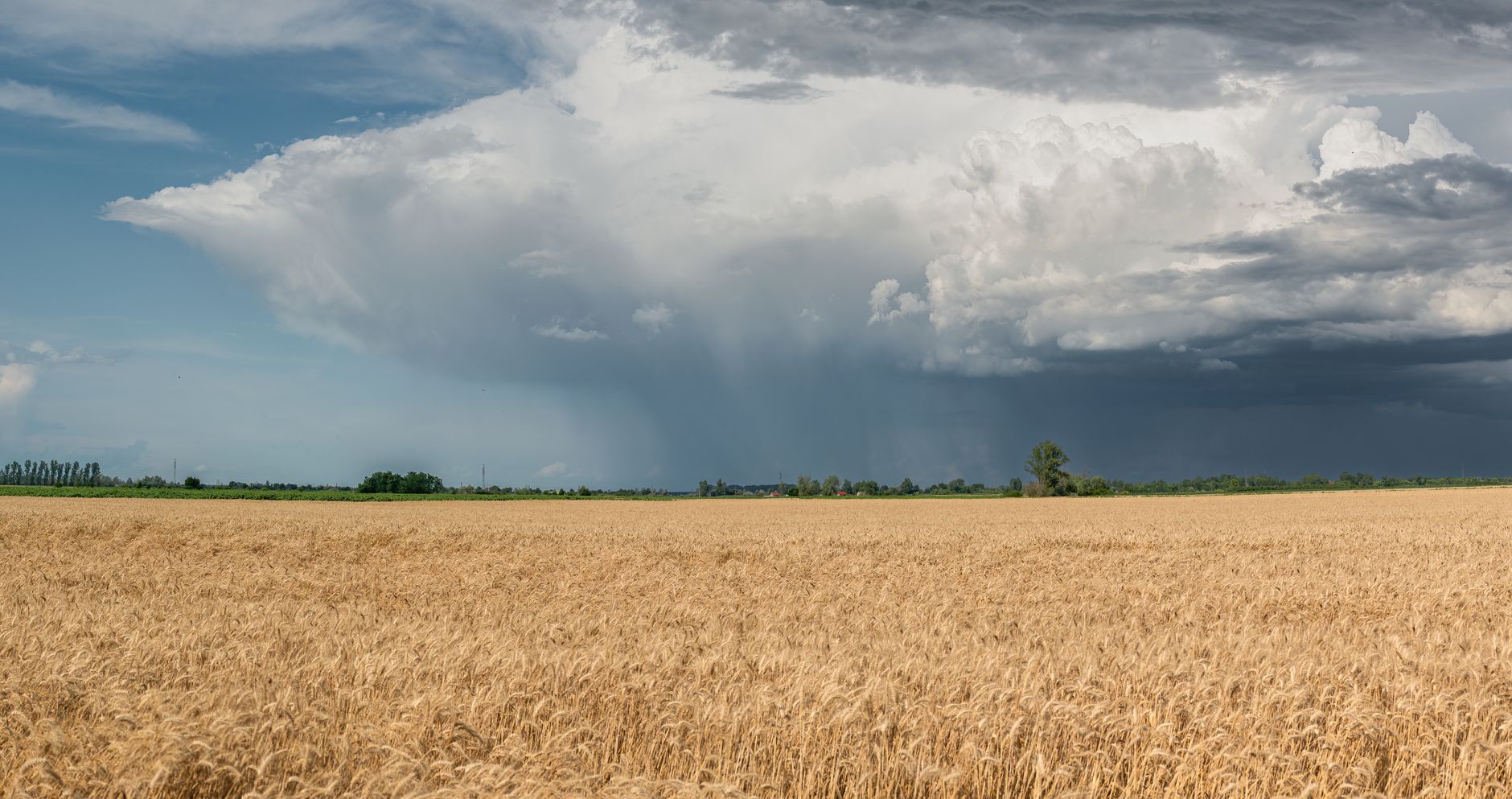
The agricultural sector in India, a cornerstone of its economy, is constantly influenced by a myriad of factors, with weather patterns playing a particularly pivotal role in crop yields. For the upcoming 2026 season, projections for wheat output indicate a potential increase compared to previous years. However, these optimistic forecasts are tempered by the reality of weather disruptions that have impacted the estimates, suggesting that the final yield might fall short of initial expectations. This nuanced outlook requires a closer examination of the contributing elements, from climatic conditions to government policies and market dynamics.
Understanding the Wheat Production Landscape in India
Wheat is one of the most crucial Rabi crops in India, with the country being one of the largest producers globally. The production cycle is highly sensitive to the monsoon season and subsequent winter rainfall. The northern plains, including states like Punjab, Haryana, Uttar Pradesh, and Madhya Pradesh, are the primary wheat-growing belts. The health of the wheat crop directly impacts food security, farmer incomes, and the overall agricultural GDP.
Factors Influencing Wheat Yields
Several factors contribute to the fluctuations in wheat production year after year:
- Weather Conditions: This is arguably the most significant factor. Adequate winter rainfall (Rabi season) is crucial for wheat growth. Unseasonal rains, hailstorms, or prolonged dry spells during critical growth stages can severely damage the crop. Heatwaves during the grain-filling period can also reduce yield and grain quality.
- Government Policies: Minimum Support Price (MSP) announced by the government influences farmers' planting decisions. Subsidies on fertilizers, seeds, and farm machinery also play a role. Procurement policies by government agencies ensure a market for the produce.
- Technological Advancements: Adoption of improved seed varieties, efficient irrigation techniques, and modern farming practices can enhance productivity.
- Pest and Disease Outbreaks: While less common for wheat compared to some other crops, significant outbreaks can impact yields.
- Soil Health: The fertility and health of the soil are fundamental for sustained crop production.
The 2026 Wheat Output Projections: A Closer Look
For the 2026 season, initial assessments suggested a robust output. This optimism was likely based on favorable sowing conditions and the potential for good winter precipitation. However, the narrative has shifted as weather patterns have deviated from the ideal. Reports indicate that certain regions experienced unseasonal warmth or insufficient rainfall at critical junctures, leading to a downward revision of the initially projected figures. While the overall output might still be higher than in some preceding years, the gap between the initial high estimates and the revised, more realistic figures highlights the vulnerability of Indian agriculture to climate variability.
Impact of Weather Deviations
The specific weather events that have affected the 2026 estimates include:
- Delayed or Insufficient Winter Rains: Some key wheat-growing areas might have received less rainfall than anticipated during the crucial winter months, impacting soil moisture levels.
- Unseasonal Heat: A rise in temperatures during periods when the crop requires cooler conditions can stress the plants, affecting grain development and ultimately reducing the yield per hectare.
- Localized Storms: While not widespread, localized hailstorms or strong winds in certain pockets can cause physical damage to the standing crop.
These climatic challenges underscore the need for greater resilience in India's agricultural practices. The deviation from estimates serves as a reminder that even with improved farming techniques and supportive policies, the fundamental dependence on weather remains a significant risk factor.
Economic and Market Implications
The revised wheat output estimates have several economic implications:
- Food Inflation: A lower-than-expected wheat yield can put upward pressure on wheat prices, potentially contributing to food inflation. This is particularly concerning given wheat's staple status.
- Government Procurement: The government's ability to meet its procurement targets for the central food grain pool might be affected. This impacts buffer stocks crucial for food security programs like the Public Distribution System (PDS).
- Farmer Incomes: Reduced yields, especially if coupled with lower market prices due to oversupply in certain regions or increased input costs, can negatively impact farmer incomes.
- Trade Balance: While India is largely self-sufficient in wheat, significant shortfalls could necessitate imports, affecting the country's trade balance. Conversely, a better-than-expected yield in some areas might lead to increased exports.
Mitigation Strategies and Future Outlook
Addressing the challenges posed by weather variability requires a multi-pronged approach:
- Climate-Resilient Agriculture: Promoting the use of drought-tolerant and heat-resistant wheat varieties is essential. Investing in advanced weather forecasting and early warning systems can help farmers make informed decisions.
- Water Management: Enhancing irrigation efficiency through micro-irrigation techniques (drip and sprinkler systems) and promoting water conservation practices are critical, especially in water-stressed regions.
- Crop Diversification: Encouraging farmers to diversify their crops can reduce over-reliance on wheat and mitigate risks associated with a single crop's failure.
- Insurance and Support Systems: Strengthening crop insurance schemes like the Pradhan Mantri Fasal Bima Yojana (PMFBY) can provide a safety net for farmers against crop losses due to adverse weather.
- Research and Development: Continued investment in agricultural research to develop better seeds, farming techniques, and pest management strategies is vital for long-term productivity gains.
The 2026 wheat output scenario, while showing potential for growth, also serves as a stark reminder of the inherent uncertainties in agriculture. The interplay between planned agricultural strategies and unpredictable weather events will continue to shape the sector's performance. For Indian readers, understanding these dynamics is crucial for appreciating the challenges and opportunities within the nation's food security framework.
Frequently Asked Questions (FAQ)
Q1: What is the primary reason for the wheat output estimates missing expectations?
The primary reason is the impact of adverse weather conditions, such as unseasonal heat and insufficient winter rainfall, during critical stages of wheat growth, which have led to a downward revision of initial optimistic forecasts.
Q2: How does weather affect wheat production in India?
Wheat requires specific temperature and moisture conditions during its growth cycle. Deviations like extreme heat during grain filling or lack of adequate rainfall can significantly reduce yield and affect grain quality.
Q3: What are the potential economic consequences of a lower-than-expected wheat yield?
A lower yield can lead to increased wheat prices, potentially contributing to food inflation, affect government procurement for food security programs, impact farmer incomes, and influence the country's trade balance if imports become necessary.
Q4: What measures can be taken to make Indian agriculture more resilient to weather changes?
Measures include adopting climate-resilient crop varieties, improving water management and irrigation efficiency, promoting crop diversification, strengthening crop insurance schemes, and investing in agricultural research and better weather forecasting systems.
Q5: Is India a major wheat producer?
Yes, India is one of the largest producers of wheat in the world, and it is a crucial Rabi crop for the country's food security and agricultural economy.
Important Practical Notes
Always verify the latest bank or lender terms directly on official websites before applying. Interest rates, charges, and eligibility can vary by profile, location, and policy updates.
Quick Checklist Before You Apply
Compare offers from multiple providers.
Check hidden charges and processing fees.
Review repayment terms and penalties carefully.
Keep required KYC and income documents ready.