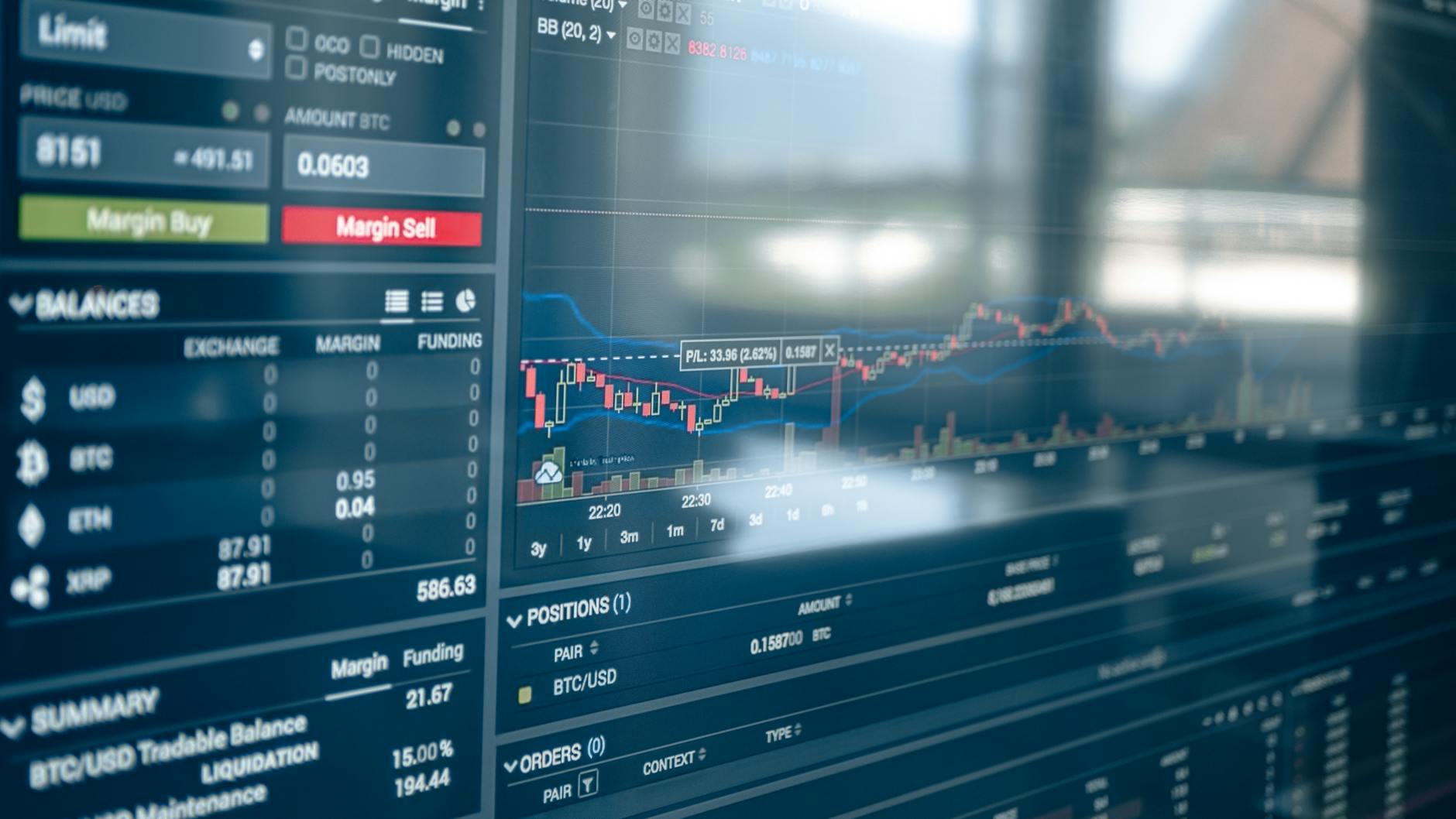
The global financial markets, particularly the US stock market, have been experiencing significant volatility. This has led many investors, including those in India, to question the future trajectory of major indices like the Dow Jones Industrial Average (DJIA), S&P 500, and Nasdaq Composite. Understanding the underlying causes of these wild swings is crucial for making informed investment decisions. This article delves into the factors driving these movements, explores the potential for a crash versus a surprise rally, and offers insights from market analysts on how investors should navigate this uncertain environment.
Understanding Stock Market Futures and Volatility
Stock market futures are derivative contracts that obligate the buyer to purchase or the seller to sell an asset at a predetermined future date and price. They are based on underlying stock market indices like the Dow, S&P 500, and Nasdaq. Futures are often used by investors to hedge their positions or to speculate on market movements. Their prices can be highly sensitive to news, economic data, and geopolitical events, leading to rapid and significant price changes – a phenomenon known as volatility.
Factors Driving Wild Swings in US Stock Market Futures
Several interconnected factors are contributing to the current volatility in US stock market futures:
- Inflationary Pressures: Persistent high inflation in the US has been a major concern. The Federal Reserve (the US central bank) has been raising interest rates aggressively to combat inflation. Higher interest rates make borrowing more expensive, which can slow down economic growth and corporate earnings, thus impacting stock prices.
- Monetary Policy Tightening: Beyond interest rate hikes, the Fed is also reducing its balance sheet (quantitative tightening). This withdrawal of liquidity from the financial system can reduce the amount of money available for investment, potentially leading to lower stock valuations.
- Geopolitical Tensions: Ongoing conflicts and geopolitical instability, such as the war in Ukraine, create uncertainty in global supply chains, energy prices, and overall economic sentiment. This uncertainty often translates into market volatility.
- Economic Slowdown Fears: Concerns about a potential recession in the US and other major economies are weighing on investor sentiment. High inflation, rising interest rates, and supply chain disruptions can all contribute to a slowdown in economic activity.
- Corporate Earnings: The performance of major US corporations is a key driver of stock market movements. Mixed earnings reports, or companies issuing cautious guidance for future performance, can trigger significant sell-offs or rallies.
- Supply Chain Issues: Lingering supply chain disruptions, exacerbated by geopolitical events and pandemic-related lockdowns in some regions, continue to affect production costs and the availability of goods, impacting corporate profitability.
- Energy Prices: Fluctuations in global energy prices, particularly oil and gas, have a broad impact on inflation, consumer spending, and corporate costs.
Will the Dow, S&P 500, and Nasdaq Head for a Huge Crash or a Big Surprise?
Predicting market movements with certainty is impossible. However, analysts offer various perspectives:
- Crash Scenario: A crash scenario would involve a rapid and severe decline in stock prices, often driven by a sudden loss of investor confidence. Factors that could contribute to a crash include a sharper-than-expected economic downturn, uncontrolled inflation leading to more aggressive Fed tightening, escalation of geopolitical conflicts, or a major financial crisis. In such a scenario, investors might panic sell, leading to a downward spiral.
- Surprise Rally Scenario: Conversely, a surprise rally could occur if inflation begins to cool more rapidly than anticipated, allowing the Fed to ease its aggressive stance on interest rates. Positive developments in geopolitical situations, stronger-than-expected corporate earnings, or signs of economic resilience could also fuel a rally. Some analysts believe that current valuations might already reflect much of the bad news, creating an opportunity for a rebound.
- Continued Volatility: Many analysts expect continued choppiness in the markets. This means periods of gains followed by sharp declines, as investors digest incoming economic data and corporate news. The market may trade in a range, with significant moves driven by short-term catalysts rather than a clear long-term trend.
Wall Street Futures Rise: What Does It Mean?
When Wall Street futures rise, it suggests that investors are anticipating a positive opening for the stock market. Futures trading occurs after the regular market hours, and a rise in futures prices indicates buying interest and optimism among traders. This can sometimes set a positive tone for the upcoming trading session, but it's not a guarantee of sustained gains. It often reflects short-term sentiment shifts based on overnight news or data releases.
Stocks to Watch Out For
In a volatile market, certain stocks and sectors tend to attract more attention:
- Technology Stocks: These companies, often growth-oriented, can be sensitive to interest rate changes. Investors watch their earnings closely for signs of resilience or vulnerability.
- Energy Stocks: Given the impact of energy prices on inflation and the economy, energy companies' performance is closely monitored.
- Consumer Staples: Companies that provide essential goods and services tend to be more defensive during economic downturns, as demand for their products is relatively stable.
- Financials: Banks and other financial institutions can be affected by interest rate movements and the overall health of the economy.
Analyst Insights and Market Outlook
Market analysts offer a range of perspectives:
- Cautious Optimism: Some analysts believe that while risks remain, the market has already priced in a significant amount of negative news. They see potential for a recovery if inflation moderates and the Fed signals a less aggressive path.
- Bearish Outlook: Others remain bearish, citing the persistent inflation, the likelihood of a recession, and the ongoing impact of geopolitical events. They advise caution and potentially reducing equity exposure.
- Focus on Quality: Regardless of the overall market direction, many analysts emphasize the importance of investing in high-quality companies with strong balance sheets, sustainable business models, and pricing power.
- Diversification: A common theme is the importance of diversification across asset classes, geographies, and sectors to mitigate risk in uncertain times.
What Should Investors Do Now?
Navigating a volatile market requires a disciplined approach:
- Review Your Financial Goals: Reassess your investment objectives, risk tolerance, and time horizon. Ensure your portfolio aligns with these factors.
- Stay Informed, Not Overwhelmed: Keep abreast of market news and economic data, but avoid making impulsive decisions based on short-term fluctuations.
- Focus on Long-Term Investing: If you have a long-term investment horizon, market downturns can present opportunities to buy quality assets at lower prices.
- Diversify Your Portfolio: Spread your investments across different asset classes (stocks, bonds, real estate, gold) and within asset classes (different sectors, geographies).
- Consider Dollar-Cost Averaging: Investing a fixed amount of money at regular intervals can help average out your purchase price over time, reducing the risk of investing a large sum at a market peak.
- Consult a Financial Advisor: If you are unsure about how to proceed, seeking advice from a qualified financial advisor can be beneficial.
Frequently Asked Questions (FAQ)
What are stock market futures?
Stock market futures are contracts that allow traders to bet on the future direction of a stock market index. They are often used for hedging or speculation and can be more volatile than the underlying index itself.
What is causing the current volatility in the US stock market?
The volatility is driven by a combination of factors including high inflation, aggressive interest rate hikes by the Federal Reserve, fears of an economic slowdown or recession, geopolitical tensions, and ongoing supply chain issues.
Is a stock market crash imminent?
While a crash is a possibility due to the current economic uncertainties, it is not a certainty. Many analysts believe the market may continue to experience volatility rather than a sharp crash, or potentially see a surprise rally if economic conditions improve unexpectedly.
What is the role of the Federal Reserve in market volatility?
The Federal Reserve's monetary policy, particularly its interest rate hikes and quantitative tightening, significantly influences market sentiment and liquidity. Its actions to combat inflation are a primary driver of current market movements.
How can Indian investors protect their portfolios?
Indian investors can protect their portfolios by staying informed, focusing on long-term goals, diversifying across asset classes and geographies, investing in quality companies, and considering professional financial advice.
What is dollar-cost averaging?
Dollar-cost averaging is an investment strategy where a fixed amount of money is invested at regular intervals, regardless of the market price. This helps to reduce the risk of investing a large sum at a market peak and averages out the purchase cost over time.