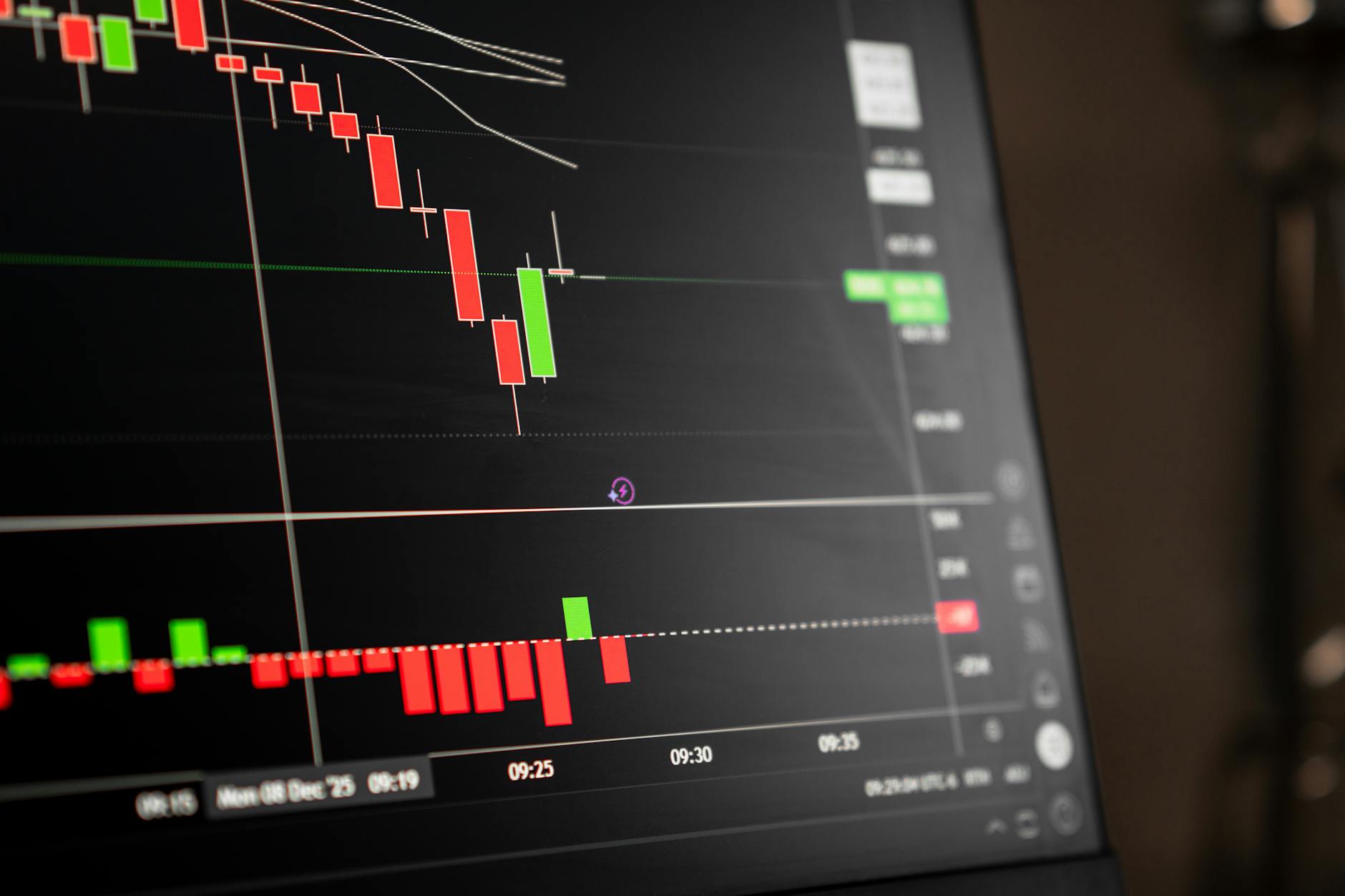
In the dynamic world of financial markets, volatility is often perceived as a double-edged sword. While it can induce anxiety and uncertainty, seasoned investors and financial experts often highlight the opportunities it presents. In a recent insightful discussion, renowned financial advisor Sameer Dalal emphasized that while market fluctuations can indeed create avenues for profitable investments, the cornerstone of capitalizing on these opportunities lies in cultivating patience. This article delves into Dalal's perspective, exploring how investors can navigate volatile markets, the importance of a long-term outlook, and the strategies that can help them emerge successful.
Understanding Market Volatility
Market volatility refers to the degree of variation of a trading price series over time, usually measured by the standard deviation of logarithmic returns. In simpler terms, it's the speed and intensity at which prices rise or fall. High volatility means prices are changing dramatically over a short period, while low volatility indicates prices are relatively stable. Several factors contribute to market volatility, including economic news, geopolitical events, corporate earnings, interest rate changes, and investor sentiment. While sudden drops can be alarming, they also present situations where fundamentally strong assets might become undervalued, offering a chance for astute investors to acquire them at a discount.
The Opportunity in Volatility
Sameer Dalal's core message revolves around the idea that volatility, when viewed through a patient lens, can be a powerful ally for investors. During periods of market downturns or sharp price swings, fear often drives many investors to sell their holdings, sometimes indiscriminately. This panic selling can depress the prices of even good quality assets below their intrinsic value. For investors who have done their homework, understand the underlying fundamentals of the companies or assets they are invested in, and have a long-term investment horizon, these dips represent buying opportunities. Dalal suggests that by identifying assets that are temporarily oversold due to market sentiment rather than fundamental issues, investors can potentially achieve significant capital appreciation when the market eventually recovers.
Key Strategies for Navigating Volatility
Dalal outlines several strategies that investors can employ to effectively manage and benefit from market volatility:
- Diversification: Spreading investments across different asset classes (equities, bonds, real estate, gold) and within asset classes (different sectors, geographies) can help mitigate risk. When one asset class is underperforming, others might be stable or even performing well, cushioning the overall portfolio impact.
- Long-Term Investment Horizon: Volatility is less of a concern for investors with a long-term perspective. Short-term fluctuations become noise when viewed over years or decades. Dalal stresses the importance of setting clear financial goals and aligning investment strategies with these goals, which inherently requires patience.
- Dollar-Cost Averaging (DCA): This strategy involves investing a fixed amount of money at regular intervals, regardless of market conditions. During volatile periods, DCA allows investors to buy more units when prices are low and fewer units when prices are high, averaging out the purchase cost over time and potentially reducing the impact of market timing.
- Focus on Fundamentals: Dalal advises investors to focus on the intrinsic value and long-term prospects of their investments rather than getting swayed by daily market movements. Understanding a company's financial health, management quality, competitive advantage, and industry outlook is crucial.
- Emotional Discipline: Perhaps the most critical aspect is maintaining emotional discipline. Fear and greed are the two primary emotions that lead investors to make poor decisions. Dalal's emphasis on patience directly addresses this, urging investors to stick to their plan and avoid impulsive actions driven by market noise.
The Crucial Role of Patience
Patience, in Dalal's view, is not merely about waiting; it's about having conviction in one's investment choices and the belief in the eventual recovery and growth of the markets. It involves resisting the urge to react to short-term news or price movements and instead focusing on the long-term trajectory. Patience allows investors to ride out the inevitable downturns and benefit from the subsequent upswings. It also gives time for the power of compounding to work its magic, significantly enhancing returns over extended periods. Without patience, the opportunities presented by volatility can easily turn into losses due to hasty decisions.
When Volatility Becomes a Risk
While Dalal highlights the opportunities, it's essential to acknowledge that volatility also carries inherent risks. For investors who are under-equipped with knowledge, a poor risk tolerance, or a short-term outlook, volatility can lead to substantial losses. The risk is amplified if investments are made without proper due diligence or if leverage is used excessively. Dalal's advice implicitly suggests that the opportunities are for informed and patient investors. Those who are not prepared might find volatility to be a destructive force rather than a constructive one.
Common Investor Mistakes During Volatility
Dalal likely would caution against several common pitfalls:
- Panic Selling: Selling investments during a market crash out of fear, often locking in losses.
- Chasing Performance: Buying assets that have recently surged in value, hoping to catch a trend, which can lead to buying at the peak.
- Ignoring Diversification: Concentrating investments in a few assets, making the portfolio highly susceptible to the performance of those specific assets.
- Lack of a Plan: Investing without a clear strategy, goals, or risk management framework.
- Over-reacting to News: Making investment decisions based on sensationalized headlines or short-term news cycles.
The Investor's Mindset: A Long-Term Perspective
Cultivating the right mindset is paramount. This involves viewing investments not as a get-rich-quick scheme but as a long-term journey towards financial security and wealth creation. It requires continuous learning, staying informed about market trends without being consumed by them, and developing a robust risk management strategy. Dalal's emphasis on patience is a call to adopt a disciplined and strategic approach, recognizing that market cycles are normal and that opportunities often arise from periods of uncertainty.
Benefits of a Patient Approach in Volatile Markets
A patient approach in volatile markets offers several benefits:
- Potential for Higher Returns: Buying low during dips and holding for the long term can lead to significant capital appreciation.
- Reduced Stress: A long-term view and a well-thought-out plan can reduce the anxiety associated with market fluctuations.
- Compounding Benefits: Allowing investments to grow over time maximizes the power of compounding.
- Disciplined Decision-Making: Patience fosters rational decision-making, avoiding impulsive actions driven by emotions.
Conclusion: Patience as the Ultimate Investment Strategy
Sameer Dalal's insights serve as a timely reminder that while market volatility can be unsettling, it is an intrinsic part of investing. The key to transforming these periods of uncertainty into opportunities lies not in predicting market movements but in adopting a strategy grounded in patience, discipline, and a long-term perspective. By diversifying, focusing on fundamentals, employing strategies like dollar-cost averaging, and crucially, maintaining emotional control, investors can navigate the choppy waters of volatile markets and work towards achieving their financial goals. The message is clear: volatility presents chances, but it is patience that unlocks their true potential.
Frequently Asked Questions (FAQ)
Q1: What is market volatility?
Answer: Market volatility refers to the degree of variation in trading prices over time. High volatility means prices are changing rapidly and dramatically, while low volatility indicates stability.
Q2: How can I benefit from market volatility?
Answer: You can benefit by identifying undervalued assets during downturns, employing strategies like dollar-cost averaging, diversifying your portfolio, and maintaining a long-term investment horizon. Patience is key to capitalizing on these opportunities.
Q3: Is it advisable to sell investments during a market crash?
Answer: Generally, it is not advisable to sell out of panic during a market crash. This often locks in losses. A disciplined approach would be to review your investment strategy and potentially rebalance your portfolio if necessary, rather than making impulsive decisions.
Q4: What is dollar-cost averaging (DCA)?
Answer: Dollar-cost averaging is an investment strategy where a fixed amount of money is invested at regular intervals, irrespective of the asset's price. This helps average out the purchase cost over time.
Q5: How important is patience in investing?
Answer: Patience is extremely important. It allows investors to ride out market fluctuations, benefit from compounding, and make rational decisions, ultimately leading to better long-term returns.