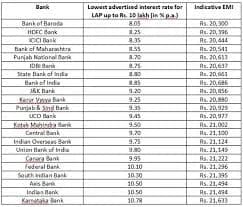
Claiming ownership of a physical residential property is one of the most stable and secure ways to anchor your family's future in India. When you map out your property construction using a highly practical budget of 10 lakh, securing the right financial partner is your most critical step.
Even a microscopic difference of 0.5% in your annual interest percentage can alter your lifetime repayment footprint by thousands of rupees. Identifying a 10 lakh home loan lowest interest rate bank allows you to capture deep market discounts, drop your monthly liabilities, and protect your hard-earned household savings.
Direct Answer Snippets for Quick Reference
Which bank offers the lowest interest rate for a 10 lakh home loan?
Public sector banks like the Central Bank of India, Bank of India, and Bank of Maharashtra offer the lowest interest rates, starting around 7.10% to 7.20% per annum. State Bank of India (SBI) is also highly competitive, featuring starting rates around 7.25% per annum for individuals with excellent credit profiles.
What is the lowest monthly EMI for a 10 lakh loan?
If you secure a loan from a 10 lakh home loan lowest interest rate bank at a premium rate of 7.10% per annum for a 20-year tenure, your monthly EMI will stand at approximately 7,816. Over two decades, this low rate keeps your interest accumulation highly affordable.
Why do public sector banks offer lower interest rates than private lenders?
Public sector institutions hold massive networks of retail savings accounts, giving them access to deeply cost-effective capital. This financial stability allows government-backed banks to distribute long-term home construction funds at much lower operational margins compared to high-end private banking chains.
Sector-Wise Analysis of Home Loan Interest Rates
The Indian real estate financing industry features a diverse array of lenders. Each category targets distinct consumer segments and operates under individual regulatory margin rules.
1. Public Sector Banks (The Budget Champions)
Government-backed institutions consistently lead the financial market when it comes to raw interest affordability. Lenders like the Central Bank of India, Bank of Baroda, and State Bank of India format their introductory rates from 7.10% to 7.50% per annum.
These ultra-low rates are benchmarked directly to the central bank's external repo rate metrics. The primary advantage of choosing a public lender is maximum interest savings, though they enforce highly traditional, strict documentation check cycles.
2. Major Private Sector Banks (The Speed Masters)
Lenders like HDFC Bank and ICICI Bank offer home loan interest packages starting around 7.20% to 7.60% per annum for pre-approved customers. While their standard baseline rates can trend slightly higher than government banks for average profiles, they deliver incredible consumer convenience.
Private banks utilize fully automated digital pipelines, doorstep document pick-up services, and electronic verification workflows. They are an exceptional choice if you need to close a land purchase deal quickly without manual bureaucratic delays.
3. Housing Finance Companies (The Flexible Alternatives)
Institutions like LIC Housing Finance and private finance corporations offer entry-level rates starting from 7.15% to 7.90% per annum. These specialized lending bodies are highly valuable if your income papers do not fit the classic corporate mold.
If you are a self-employed local trader, a retail shopkeeper, or lack extensive multi-year tax filing documents, housing finance companies provide custom relaxations that commercial banks do not allow.
Gridding the Lowest Home Loan Interest Rates
To give you an updated view of the financial landscape, let us analyze the baseline starting interest rates for top individual lenders across the housing sector.
Name of the Financial Institution | Indicative Starting Rate (Per Annum) | Average Processing Fee Range |
|---|---|---|
Central Bank of India | 7.10% onwards | 0.50% of the loan amount |
Bank of Maharashtra | 7.10% onwards | Flat administrative fee models |
Union Bank of India | 7.15% onwards | 0.50% with fixed upper limits |
State Bank of India (SBI) | 7.25% onwards | 0.35% of total loan value |
HDFC Bank | 7.20% onwards | Up to 0.50% or fixed minimums |
Primary Variables That Lock the Lowest Interest Tiers
Securing a entry-level rate from a 10 lakh home loan lowest interest rate bank requires satisfying specific individual risk metrics during the system underwriting phase.
The CIBIL Score Threshold
Your credit history profile acts as your primary financial identity. Lenders pull this score instantly to check how disciplined you are at returning borrowed money.
Maintaining an active credit score above 750 or 800 acts as a golden ticket. It places your file directly into the bank's absolute cheapest promotional pricing bracket, whereas lower scores push you into much higher risk tiers.
Salaried vs Non-Salaried Income Models
Salaried professionals working inside prominent government offices, public sector units, or highly rated multi-national corporations enjoy maximum interest concessions. Lenders love stable, highly predictable corporate paychecks.
Self-employed business owners can easily access these same low tiers by presenting clean, structured bank statements and fully audited business balance sheets tracking stable annual growth.
The Special Gender Concession
To encourage property registration among women, almost all major public and private sector banks provide a special interest rate drop. Women primary applicants or co-borrowers receive a flat interest reduction of 0.05% per annum.
While 0.05% sounds small on paper, it translates into a substantial chunk of total cash savings when calculated continuously over a multi-decade loan lifecycle.
Actionable Tips to Secure the Absolute Cheapest Rates
Do not blindly accept the default rate stamped on the first bank flyer you pick up. Use your personal financial standing to negotiate better terms.
First, focus heavily on polishing your credit history. Pay off all short-term retail credit bills and smartphone financing plans at least two months before submitting your home loan file to boost your credit score.
Second, opt strictly for floating interest rate structures linked directly to the Repo Linked Lending Rate (RLLR). This model ensures that whenever national economic conditions prompt central interest drops, your loan rate matches that drop automatically without requiring manual branch requests.
Conclusion: Compare Openly Before committing Your Future
Locating a 10 lakh home loan lowest interest rate bank partner is the single most profitable step you can execute before starting your concrete home construction. Public sector institutions remain the undisputed leaders for maximum raw interest reduction, while private lenders complement their financing with elite digital execution speeds.
Take your time to clear outstanding short-term liabilities, keep your land legal documentation files well-organized, and add an earning female head of the family as a co-applicant where possible. Plan your household budget with absolute clarity, compare terms across three separate branches, and build your family asset with complete safety and security.
Frequently Asked Questions (FAQs)
One: Does a very low home loan interest rate mean zero processing fees?
No, the annual interest rate and the upfront processing fee are two entirely separate financial components. A bank might advertise the lowest interest rate in the market but levy a higher upfront administrative or technical verification fee during your initial application processing phase.
Two: Can I move my active 10 lakh loan to a lower interest bank later?
Yes, you can utilize a home loan balance transfer facility to transition your running debt to a cheaper lender anytime. Since national regulatory guidelines prohibit foreclosure penalties on floating interest rate housing loans, you can execute this switch easily without paying penalty charges.
Three: Why do introductory home loan interest rates display a wide range?
Banks publish a range because your final interest rate is tailored individually to your profile. The lowest percentage is awarded exclusively to prime salaried applicants holding excellent credit scores, while higher percentages within that same range are assigned to profiles carrying higher risk variables.
Four: Is a fixed interest rate better than a floating interest rate?
A fixed rate locks your payments at a static percentage for your full tenure, offering predictable budgeting but carrying a significantly higher initial cost. A floating rate shifts in real-time sync with central repo rate updates, which generally saves more money over long windows.
Five: What happens to my low interest rate if my CIBIL score drops down later?
For floating-rate home loans, banks reserve the structural right to review your credit tracking scores periodically. If you default on separate personal credit card bills and cause a massive drop in your score, the bank can adjust your spread margin upward, increasing your home loan rate.
Six: Can a joint application with my parents help me secure a lower interest rate tier?
A joint application combines your household earnings, which drastically improves your overall loan eligibility and approval odds. However, it will only lower the core interest rate tier if your co-applicant possesses a prime credit score or allows you to claim female applicant concessions.