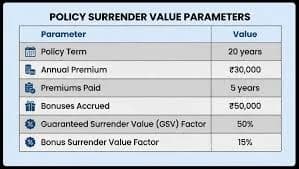
When you face an unexpected financial emergency, you do not always have to opt for a costly personal loan or sell off your long-term investments. If you have been paying regular premiums on a Life Insurance Corporation (LIC) endowment or money-back policy, that piece of paper holds hidden cash value.
Instead of canceling or surrendering your policy early—which causes a major loss of your insurance cover—you can use it as highly secure collateral. Finding the best bank for loan against lic policy surrender value allows you to get rapid funding at highly affordable interest rates.
In this clear guide, we will explain how a policy-backed loan operates, compare the top lenders in India, and highlight how to pick the ideal platform for your quick cash needs.
Direct Answer Snippets for Quick Understanding
Which is the best bank for a loan against an LIC policy?
The State Bank of India (SBI) is widely considered the best bank for loan against lic policy surrender value due to its low interest rates and high security. However, borrowing directly from LIC of India often yields the cheapest interest rates, ranging from nine percent to ten percent per annum with minimal background checks.
How much loan can I get against my LIC policy surrender value?
Whether you borrow from a premier bank or directly from LIC, you can typically secure a loan amount of up to ninety percent of your policy’s accumulated guaranteed surrender value. For paid-up policies where premium payments have stopped but the policy remains active, the limit drops slightly to eighty or eighty-five percent.
Does my credit score matter for an LIC policy loan?
If you apply directly through LIC of India, your CIBIL credit score is completely ignored because the loan is entirely secured by your policy's cash value. However, if you apply through commercial banks like SBI or HDFC Bank, they may run a standard credit bureau check to verify your regular repayment history.
Understanding the Concept of Surrender Value Collateral
Before comparing different financial institutions, you must understand what "surrender value" actually means. It is not the total Sum Assured or the final maturity amount printed on your policy bond.
The surrender value is the actual cash amount LIC would pay you if you decided to terminate your insurance plan today. A policy builds up this value only after you have paid regular premiums for at least two consecutive years.
When you take a loan against this asset, your insurance policy is legally assigned to the lender. The bank or LIC holds your original policy bond as a guarantee until your entire loan principal and interest components are fully paid back.
Top Institutional Lenders Compared Side-by-Side
When looking for the best bank for loan against lic policy surrender value, evaluating your options across interest rates and processing speeds will save you money.
1. Life Insurance Corporation (LIC) of India
Borrowing directly from the source is often the smartest financial move. LIC views you as an investor, not a risky borrower.
Interest Rate: Typically ranges from an affordable 9.00 percent to 10.00 percent per annum.
Key Advantage: They offer a unique interest-only repayment structure where you can pay the interest every six months and clear the core principal at final policy maturity.
Processing: Can be managed entirely online via the LIC e-Services portal, though verification can take a few business days.
2. State Bank of India (SBI)
SBI offers a highly structured Loan Against Insurance Policies program that covers LIC plans alongside other top-tier private insurers.
Interest Rate: Highly competitive, typically tied to the bank's internal lending benchmarks.
Key Advantage: They require a low margin, meaning you can easily unlock the maximum ninety percent ceiling of your policy's cash value.
Processing: Incredibly secure and ideal if you already maintain your primary savings or salary account with an SBI branch.
3. Top Private Commercial Banks (HDFC Bank & Axis Bank)
Private sector institutions approach policy loans primarily through a dynamic digital overdraft line.
Interest Rate: Usually ranges from 10.50 percent to 14.00 percent, making it slightly more expensive than public options.
Key Advantage: Absolute speed. If your digital KYC is linked, private lenders can create an instant overdraft account within hours.
Processing: You only pay interest on the exact money you withdraw and use from your approved overdraft limit, which is perfect for running a business.
Critical Eligibility Criteria You Must Meet
While getting a loan backed by an insurance asset is much simpler than standard loans, lenders enforce a few baseline quality rules.
Approved Policy Categories
You can only borrow against traditional traditional insurance products that accumulate a cash value over time. This includes popular endowment plans, money-back policies, and whole-life structures like LIC Jeevan Anand. You cannot use pure term insurance plans or high-risk Unit Linked Insurance Plans (ULIPs) as collateral.
Minimum Premium Payment Era
Your policy must be active and free from any past premium defaults. Under standard insurance regulations, a policy only qualifies for a valid loan check after you have completed at least two full years of regular, uninterrupted premium payments.
Essential Documents for a Hassle-Free Application
Gathering your original insurance paperwork early prevents operational delays during the bank appraisal phase.
The original physical LIC policy bond document issued by the corporation.
An official Surrender Value Certificate, which you can easily request from your home LIC branch counter.
Standard identity proofs like an Aadhaar Card, PAN Card, or Passport.
A cancelled check leaf from your active savings bank account to facilitate the electronic fund transfer.
A legally drafted Deed of Assignment form, which officially transfers the policy rights to the bank until the loan ends.
Conclusion
Selecting the absolute best bank for loan against lic policy surrender value depends heavily on what you prioritize: low costs or instant digital access. If your goal is to secure the absolute lowest interest rate with flexible repayment structures, borrowing directly from LIC of India remains unmatched. However, if you require an instant, running overdraft line for your business operations, private lenders like HDFC Bank or Axis Bank are highly efficient. Always ensure you pay your loan interest regularly; if your total accumulated debt ever crosses your policy’s real-time surrender value, the bank has the legal right to cancel your policy to recover their funds.
Genuine Frequently Asked Questions (FAQs)
1. Will my family still get the life insurance cover if I take a loan against my LIC policy?
Yes, your life insurance cover remains completely active while the loan is running. If an unfortunate life event occurs before the loan is closed, LIC will pay out the full death benefit to your nominee after automatically deducting the outstanding loan principal and pending interest amount.
2. Can I make partial prepayments on an LIC policy loan whenever I want?
Yes, most lenders offer complete flexibility regarding early payments. You can make lump-sum part-payments or close the entire account early. If you borrow directly from LIC, the minimum continuous timeline required before you can execute a full prepayment is usually six months.
3. What happens if I stop paying my regular monthly loan interest?
If you default on your interest payments, the unpaid amount is compounded and added directly to your core loan principal. If your total outstanding debt plus accumulated interest grows large enough to equal or exceed the total surrender value of the house policy, the lender will automatically terminate the policy to recover their dues.
4. Can a Non-Resident Indian (NRI) apply for a loan against an LIC policy in India?
Yes, NRIs can legally qualify for a loan against their Indian LIC policies. The primary condition is that the loan proceeds must be credited to a valid, verified Non-Resident Ordinary (NRO) or Non-Resident External (NRE) bank account maintained within the Indian banking jurisdiction.
5. Can I sell or transfer my LIC policy to someone else while a loan is active?
No, you cannot sell, transfer, or modify your insurance policy as long as it carries an active bank lien. The policy remains legally assigned to the lender. You can only regain full transaction ownership of your policy bond once you receive a formal No-Dues Certificate after closing the loan.
6. Are there any tax benefits on the interest paid for a loan against an LIC policy?
Generally, interest paid on a personal emergency loan against insurance does not qualify for regular income tax deductions. However, if you can conclusively prove to the tax department that the borrowed funds were used directly for business expansion or to purchase a residential house, you might claim interest deductions under specific asset creation clau