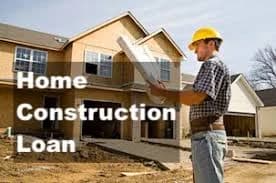
Introduction
A loan for house construction helps you build your home without paying the full cost at once. Building a house is a big financial step, and most people need support to complete it smoothly.
Construction costs include materials, labor, design, and approvals, which can be expensive. A house construction loan makes it easier by allowing you to pay in monthly installments instead of a large one-time payment.
This guide explains everything in simple English so anyone can understand how it works, who can apply, and how to use it wisely.
What is a Loan for House Construction?
A loan for house construction is a type of housing loan that helps you build a new home on your own land. It is offered by banks and financial institutions.
This loan is different from a home purchase loan because it is used only for building a house, not buying an already built property.
It covers expenses like materials, labor, architect fees, and construction stages depending on project progress.
How a House Construction Loan Works
The process of getting a construction loan is step-by-step.
First, you apply by submitting basic personal and financial details. This can be done online or at a bank branch.
Next, you provide property documents, construction plans, and income proof. The lender verifies your eligibility and project details.
If approved, the loan amount is released in stages based on construction progress. This is called stage-wise disbursement.
You then repay the loan in monthly installments over a fixed tenure.
Direct Answer Snippet 1 (40–60 words)
A loan for house construction is a financial option that helps you build a home on your land without paying the full cost upfront. The loan is released in stages based on construction progress. It is repaid in monthly installments, making home building more affordable and manageable.
Eligibility for House Construction Loan
To apply for a house construction loan, you must meet some basic conditions.
You should be at least 21 years old. A stable income source is required, whether salaried or self-employed.
A good credit score improves approval chances and helps you get better interest rates.
You must own a plot or land where construction will take place. Some lenders may also check construction plans and approvals.
Documents Required
To apply for a construction loan, you need important documents.
Identity proof such as Aadhaar card, PAN card, or passport is required. Address proof like electricity bill or rental agreement is also needed.
Income proof is necessary for approval. Salaried individuals must submit salary slips and bank statements. Self-employed applicants may need income tax returns or business proof.
Property documents, approved building plan, and construction estimate are also required.
Benefits of Loan for House Construction
A house construction loan offers many important benefits.
It helps you build your dream home without waiting to save the full amount. You can start construction immediately.
The loan is released in stages, so you only pay interest on the amount used.
It also allows better financial planning during construction.
Many lenders offer flexible repayment options and long tenures.
What Expenses Can Be Covered?
A loan for house construction can cover many building-related costs.
It includes cement, bricks, steel, sand, and other construction materials. It also covers labor charges and contractor payments.
Architect fees, design costs, and approval expenses are also included.
Some lenders may also cover basic electrical and plumbing work during construction.
Direct Answer Snippet 2 (40–60 words)
A house construction loan works by releasing funds in stages as construction progresses. After approval, the lender disburses money based on project completion levels. The borrower pays interest only on the used amount initially and repays the full loan through fixed monthly installments over a selected tenure.
Risks and Important Points to Consider
Even though a construction loan is helpful, it should be managed carefully.
Interest rates may vary depending on credit score and lender policies. Some loans may include processing fees and inspection charges.
Delays in construction can affect loan disbursement stages.
Missing EMI payments can impact your credit score and financial stability.
Always review all terms before starting the loan process.
Tips for Choosing the Right Construction Loan
Always compare lenders before applying for a loan.
Check interest rates, repayment period, and stage-wise disbursement rules carefully.
Choose a loan amount based on your actual construction estimate.
Make sure EMI payments fit your monthly income comfortably.
Avoid unnecessary borrowing to reduce long-term financial burden.
Proper planning helps complete construction smoothly.
Direct Answer Snippet 3 (40–60 words)
A loan for house construction is useful but requires careful planning. Borrow only what is needed and understand stage-wise disbursement rules. Comparing lenders, checking interest rates, and planning EMIs properly helps you manage the loan efficiently and complete your home construction without financial stress.
Conclusion
A loan for house construction is a helpful financial option for building your dream home without paying the full cost at once. It supports every stage of construction and makes home building more affordable.
However, responsible borrowing is important. Always check eligibility, interest rates, and repayment terms before applying.
With proper planning, a construction loan can help you build a strong and comfortable home while managing your finances smoothly.
Frequently Asked Questions
1. What is a loan for house construction used for?
It is used for building a new home on owned land, including materials, labor, and construction costs.
2. Can I get a construction loan without owning land?
No, most lenders require you to own a plot or land for approval.
3. How is construction loan disbursed?
It is released in stages based on construction progress.
4. Is credit score important for construction loans?
Yes, a good credit score improves approval chances and interest rates.
5. Can I use this loan for renovation instead of new construction?
No, this loan is mainly for building a new house, not renovation.
6. What happens if I miss EMI payments?
Missing EMIs can lead to penalties and negatively affect your credit score.