Retirement is a beautiful phase of life meant for relaxation, pursuing personal hobbies, and spending quality time with family. However, with regular professional salaries stopping, many elderly individuals struggle to manage their daily monthly expenses. Rising healthcare costs, inflation, and home maintenance bills can quickly drain standard pension pools or fixed deposit savings.
Interestingly, many cash-strapped seniors are sitting on a massive financial goldmine without realizing it: their own self-acquired residential property. To help elderly homeowners utilize this locked wealth safely, the National Housing Bank (NHB) introduced a specialized banking track. Navigating the reverse mortgage loan scheme for senior citizens features in india system allows you to convert a portion of your home’s value into a regular stream of tax-free monthly income.
In this comprehensive guide, we will simplify the mechanics of a reverse mortgage, outline its standout features, explain the strict eligibility criteria, and break down how it protects your living rights during your golden years.
Direct Answer Snippets for Quick Understanding
What is a reverse mortgage loan scheme for senior citizens in India?
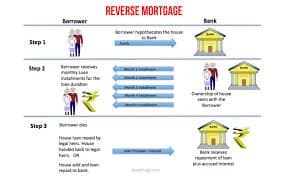
The reverse mortgage loan scheme for senior citizens features in india framework represents a complete inversion of a standard home loan. Instead of a borrower paying monthly EMIs to a lender to buy a house, the bank makes regular periodic payments to the elderly homeowner based on the accrued equity of their debt-free residential property.
Do seniors have to repay a reverse mortgage during their lifetime?
No, senior citizens are under absolute zero obligation to make any monthly principal or interest repayments to the bank during their lifetime. The loan account accumulates interest silently in the background and only becomes due for settlement after the last surviving borrower permanently moves out or passes away.
How do Indian banks settle a reverse mortgage loan balance?
When the loan terminates, the bank offers the primary legal heirs the first right to clear the accumulated debt out of pocket to reclaim the original property deeds. If the heirs choose not to pay, the bank sells the house, recovers the total loan balance, and transfers every single rupee of the remaining surplus cash back to the family.
Standout Features of the Reverse Mortgage Framework
This specialized financial product comes packed with worker-friendly safety rules designed by the central government to protect elder citizens from market vulnerabilities.
Absolute Right to Stay and Occupy
The single most reassuring feature of this scheme is that you never lose your home. Senior citizens retain full ownership rights and can comfortably live inside their property for the rest of their natural lives. The bank cannot evict you or force a sale as long as you use the building as your primary residence.
100 Percent Tax-Free Payout Distribution
Unlike standard pension plans or corporate annuity payouts that attract regular income tax cuts, every single rupee you receive from a reverse mortgage is completely tax-free. Under Section 10(43) of the Income Tax Act, the central government views these periodic payments as secure loan advances rather than active revenue income.
Safe Non-Recourse Guarantee Shield
To safeguard families from real estate market crashes, the NHB enforces a strict "no negative equity" guarantee. If deep economic volatility causes the final accumulated loan balance to cross the actual resale market value of the house, the bank bears the entire loss loss gap. Lenders cannot hound your children or claim their personal assets to recover the difference.
Regular Periodic Payments
You can instruct the bank to disburse your funds as a predictable monthly, quarterly, or annual paycheck to substitute your regular lifestyle pension. Under standard NHB safety caps, individual monthly payment streams are comfortably limited up to 50,000 INR per account to ensure the loan balance lasts for long horizons.
Conditional Lump-Sum Payouts
If you face an unexpected medical emergency, require immediate money for surgical operations, or need to fund urgent structural home renovations, you can request a lump-sum release. Lenders can advance up to 50 percent of the total eligible loan value as a lump sum, capped at an absolute maximum of 15 Lakh.
Key Eligibility Criteria Enforced by Indian Banks
To qualify for this specialized asset conversion track, applicants and their properties must jointly cross a few baseline regulatory bars.
1. Mandatory Age Thresholds
The primary applicant must be an Indian citizen who has completed a minimum of 60 years of age. If you choose to apply jointly with your spouse to secure their future, the spouse must not be below 55 years of age at the time of signing the initial bank contract.
2. Immaculate Property Title Deeds
The residential property—whether an independent house or a standalone apartment unit—must be completely self-acquired and free from any past active mortgages or unpaid debts. Inherited properties with confusing multi-generational legal claims or pending family property feuds do not qualify for approval.
3. Clear Structural Longevity Filter
Since the bank is banking on the future resale value of the concrete asset, the property must possess a healthy remaining life. Commercial surveyors will physically inspect the building to certify that its residual life extends for at least 20 continuous years into the future. Commercial spaces or raw agricultural plots are strictly excluded from this scheme.
Managing Your Responsibilities as a Borrower
While you do not have to pay monthly EMIs, holding a reverse mortgage requires senior citizens to fulfill basic upkeep duties to keep the contract active.
Homeowners are legally required to pay all local municipal corporation property taxes, water service bills, and electricity utility charges on time to prevent government liens from touching the house.
Furthermore, you must maintain the physical building structure in good, clean, and saleable condition. Lenders will perform a technical property revaluation once every 5 years. If the structural valuation increases significantly over time, banks will often offer you the option to expand your monthly pension payouts accordingly.
Conclusion
Embracing the reverse mortgage loan scheme for senior citizens features in india track is an incredibly empowering financial move that transforms static real estate bricks into reliable, fluid economic security. It bridges the gap between old-age dignity and financial independence, ensuring you never have to depend on external support to clear unexpected healthcare or household bills. By leveraging your home's equity, selecting the ideal monthly payout timeline, and taking advantage of complete tax exemptions, you can comfortably safeguard your retirement years while keeping your family home safely within your control.
Genuine Frequently Asked Questions (FAQs)
1. What happens to my spouse if I pass away while the reverse mortgage is still active?
The scheme features a built-in safety net for married couples. If the primary senior applicant passes away, the surviving spouse has the absolute legal right to continue living inside the residential property until their own demise. The bank cannot initiate a property sale or interrupt the ongoing monthly payouts as long as the surviving partner is alive and residing there.
2. Can the bank stop my monthly payments if the maximum loan tenure ends?
Yes, under regular reverse mortgage structures, banks typically cap the active payment tenure between 15 and 20 years. If you outlive this specified payment timeline, your monthly bank paychecks will stop. However, you and your spouse still retain the absolute legal right to live inside the house for the rest of your natural lives without paying any EMIs.
3. Are there early foreclosure fees if my children want to clear the loan early?
No, according to mandatory central sector consumer guidelines, Indian lenders cannot impose any early prepayment fines or foreclosure penalty fees on reverse mortgages. If your legal heirs accumulate enough savings or receive an inheritance, they can clear the entire outstanding balance early to retrieve the original deeds for zero extra cost.
4. Can I use the money received from a reverse mortgage to trade in the stock market?
No, the National Housing Bank enforces strict end-use guidelines to prevent speculative activities. While you have complete freedom to use the regular payouts for grocery bills, clothes, travel, and medical treatments, you are strictly prohibited from utilizing reverse mortgage funds for stock market trading, speculative business ventures, or real estate betting.
5. What is the "Right of Rescission" clause inside a reverse mortgage contract?
The right of rescission is a customer-friendly cooling-off period. After you sign the final loan execution papers, the bank grants you up to three business working days to reconsider your choice. If you change your mind, you can cancel the entire transaction without any penalty, provided you return any initial disbursed funds back to the branch.
6. Will my children have to pay capital gains tax when the bank sells the house?
Your legal heirs will not face immediate personal income tax stress. However, when the bank finally alienates and sells the property to recover its accumulated debt pool, any asset appreciation over the initial purchase price triggers standard capital gains tax rules. This tax amount is automatically adjusted out of the house sale proceeds before the final balance is handed to your heirs.