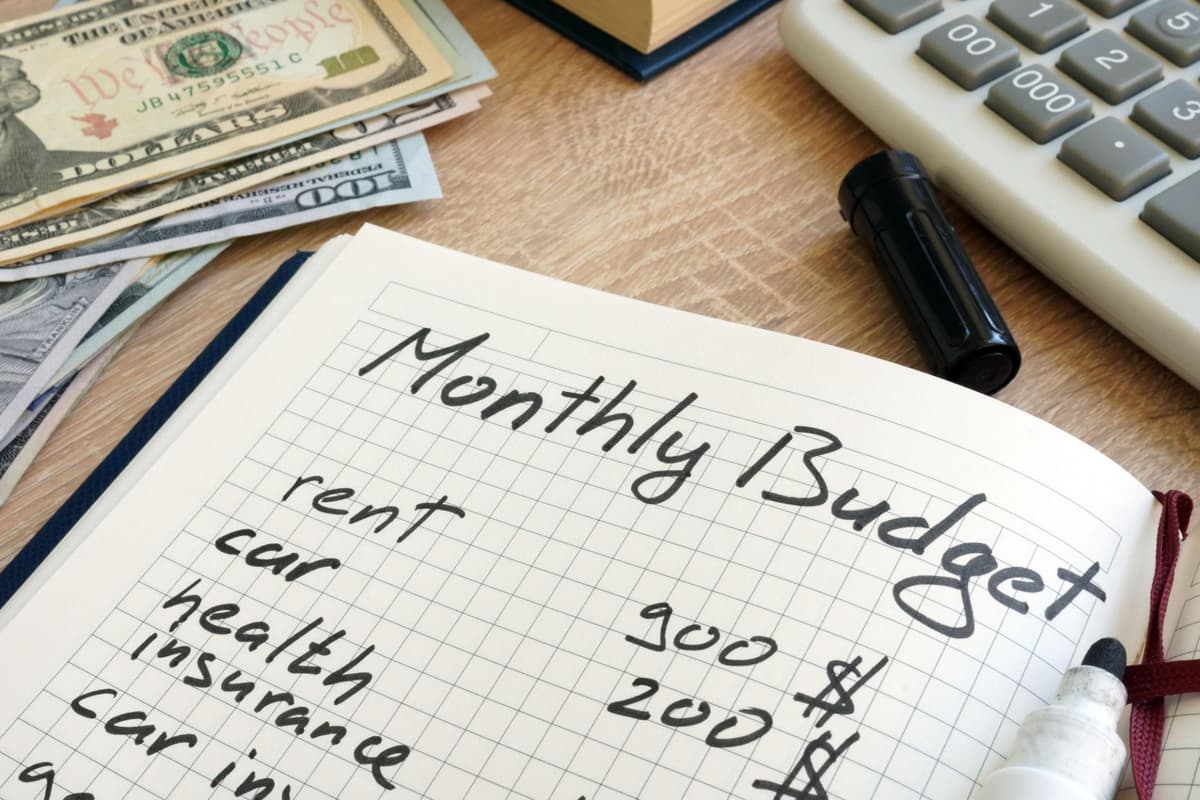
How to Create a Budget That You'll Actually Stick To
Let me guess: you've tried budgeting before. You set it up with good intentions on a Sunday evening, tracked spending carefully for a few weeks, and then one unexpected dinner out or a long weekend trip quietly unravelled the whole thing. You felt guilty, stopped tracking, and eventually closed the spreadsheet for good.
That's not a discipline failure. That's a design failure.
Why Most Budgets Don't Survive Contact With Real Life
Budgets fail when they're aspirational instead of honest. You look at last month's spending, decide that ₹6,000 on eating out is too much, and budget ₹2,000 instead. Then you actually spend ₹5,500 and feel like you broke the budget. The budget wasn't wrong because you spent ₹5,500. The budget was wrong because ₹2,000 was never realistic.
Start from what you actually spend, not what you think you should spend. Look at three months of statements and use those averages as your baseline. Then make one or two deliberate adjustments — not a full overhaul.
The Elements of a Budget That Sticks
Build in a miscellaneous or flex category — ₹2,000 to ₹5,000 depending on your income — for the things that don't fit anywhere. Without this, any irregular spend feels like a budget violation. With it, most months run smoothly.
Also, choose a tracking system you'll actually use. If you hate spreadsheets, don't use one. A notebook, a simple app, or even a once-weekly 10-minute review can work. The fanciest budget system you never use is worse than the simplest one you check twice a week.
And build in something for yourself. A budget with no room for enjoyment is a diet with no cheat days — it breeds resentment and eventually breaks. Consciously budget for something you enjoy, without guilt.
Review and Adjust — Monthly, Not Annually
The other thing that kills budgets is treating them as static. Your September budget shouldn't look exactly like your March budget. Life shifts, expenses shift, income shifts. A 15-minute monthly review where you see what worked, what didn't, and what needs adjusting keeps the budget alive and relevant instead of a document you made once and never looked at again.
Conclusion
A budget you'll actually stick to is one built around your real life, not your ideal one. It's honest about your current spending, flexible enough to absorb surprises, and simple enough to maintain. The goal isn't perfection — it's progress over months and years. Give yourself grace, adjust regularly, and keep the system loose enough to breathe.
FAQs
Q1: How long does it take to get comfortable following a budget?
A: Most people find the first two months the hardest because you're still figuring out what your real numbers are. By month three, most categories are calibrated and it feels much more natural. Expect some adjustment period — that's normal, not failure.
Q2: What should I do when I inevitably go over budget in a category?
A: First, figure out why. Was it a one-off (a birthday, a repair) or a pattern? If it's a pattern, raise the budget for that category and reduce somewhere else. Going over is information — use it to make the budget more accurate next time.
Q3: Is a digital app better than a spreadsheet for budgeting?
A: Whichever one you'll actually open. Apps have the edge for automatic transaction categorisation. Spreadsheets have the edge for full customisation and visibility. A few months of either will tell you which suits your brain. The tool matters far less than the habit.