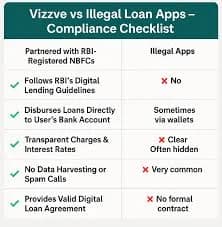
Borrowing cash online through instant mobile apps has become incredibly popular across India. However, this massive convenience also opened the door for unauthorized loan platforms. Many fake digital applications pose as real financial agents, leading to extreme data tracking and unfair collection cycles.
To bring safety back to consumers, the Reserve Bank of India enforced strict transparency regulations. Under these digital guidelines, traditional lenders must take full responsibility for their technology affiliates.
Every commercial bank and Non-Banking Financial Company (NBFC) must publish a verified directory of their digital affiliates online. This absolute guide shows you how to find the official list of rbi approved lending service providers lsp on bank websites to ensure your instant loans are completely safe.
Direct Answer Snippets for Quick Understanding
What is the list of RBI approved lending service providers LSP on bank websites?
The list of rbi approved lending service providers lsp on bank websites is a mandatory public directory published by commercial banks and NBFCs. It officially names every tech platform or digital lending app authorized to find customers, verify documentation, or collect payments on behalf of that regulated lender.
Why does the RBI force banks to display this LSP list online?
The RBI forces banks to display this list to prevent fake, unauthorized applications from scamming customers. By forcing banks to publicly label their authentic partners, consumers can easily cross-verify if a mobile loan application is backed by a licensed, stable financial institution before sharing their personal information.
How do I check if a loan app is listed on a bank's website?
To verify a loan app, go to the official portal of its partner bank or NBFC. Look for the "Important Disclosures," "Digital Lending Guidelines," or "Partner LSPs" section to view their active list. If the mobile app's corporate entity name is missing from that directory, avoid borrowing from it.
What is a Lending Service Provider (LSP)?
Before diving into the online directories, it helps to understand what a Lending Service Provider (LSP) actually does. An LSP is a third-party technology company or marketplace that works directly with a regulated bank or NBFC.
These tech companies do not have a banking license of their own to distribute cash. Instead, they build mobile apps or online interfaces—known as Digital Lending Apps (DLAs)—to help banks reach consumers.
LSPs handle specific tasks for the bank, such as identifying potential customers, managing application forms, and verifying basic identity profiles. Think of them as digital branches or software partners that make the loan journey smooth and instant.
Step-by-Step: How to Locate the LSP List on an Indian Bank Website
Finding these regulatory disclosure sheets can sometimes be tricky because they are tucked away in compliance sections. Follow this clear path to locate the verified directories on any major banking website:
Step 1: Open the Official Bank Homepage
Type the exact web address of the funding bank or partner NBFC into your internet browser. Avoid clicking on random links from social media platforms or sms lines to prevent landing on spoofed websites.
Step 2: Scroll Down to the Footer Section
Navigate right to the bottom of the main homepage. Most regulated financial institutions place their mandatory legal disclosures, terms and conditions, and grievance frameworks inside this bottom link grid.
Step 3: Look for Regulatory Compliance Links
Search the link section for specific compliance titles. Lenders classify these public directories under a few common labels:
List of Lending Service Providers (LSPs) & Digital Lending Apps (DLAs)
Partners and Alliances / Digital Lending Partners
Important Public Disclosures under RBI Guidelines
Step 4: Download the Active Partner PDF Matrix
Click the link to open a dynamic webpage table or download an official PDF matrix. This sheet will map out the legal name of the fintech firm, its popular app brand name, and the specific activities it is hired to perform.
Core Operational Details Stored Inside an Official LSP List
When you open the list of rbi approved lending service providers lsp on bank websites, you will find that it is formatted as a clear table. A compliant directory contains critical data fields to help you verify a platform's authenticity:
1. Legal Incorporated Name vs. Consumer Brand Name
The document displays both the official corporate name of the tech startup and its customer-facing application name. For example, it might list a company as "Whizdm Finance Private Limited" while noting its customer app name as "Moneyview."
2. Specific Nature of Engaged Activities
The sheet outlines exactly what the bank allows that specific tech partner to do. Some platforms are hired only for basic customer lead generation or identity authentication, while others are authorized to handle loan servicing and payment collection.
3. Grievance Redressal Officer Contact Details
By law, the bank's directory must show the name, telephone number, and official email ID of the Nodal Grievance Redressal Officer for each listed LSP. This ensures you know exactly who to contact if an agent treats you unfairly.
Summary Summary Checklist for Verifying Digital Lenders
Verification Verification Check | What a Compliant Compliant App Displays | What an Unauthorized App Does |
Bank Site Disclosures | App name matches the bank's official list | App name is completely missing from bank sites |
Upfront Fee Policy | LSPs are strictly banned from taking direct fees | App demands upfront cash processing deposits |
Key Fact Statement | KFS is displayed on screen before final signature | Forces direct contract signing without a KFS sheet |
Data Privacy Policy | Explicit options to turn off data sharing tracking | Demands full access to your phone book and images |
What to Do If an App Claims a Partnership But Is Not on the List
If a mobile lending application claims it is funding loans through a major public or private bank, but you cannot find its name on that bank's website directory, you must be extremely careful. This mismatch indicates that the platform might be an unregulated or illegal operation.
Stop your loan application immediately and do not upload sensitive items like your Aadhaar card, PAN card, or bank statements. You can cross-verify the app's claims further by checking the central Digital Lending Apps Directory maintained on the main RBI portal.
If you discover that an app is running a fake marketing campaign by using a famous bank's logo without authorization, help protect others by taking action. Send a fast alert link to the bank's digital fraud cell or log onto the central government's National Cybercrime Portal to report the fake app.
Conclusion
The list of rbi approved lending service providers lsp on bank websites is a vital shield for protecting your personal data and financial security. It bridges the gap between quick digital platforms and safe banking regulations, putting you in complete control of your data.
Never download a mobile loan app based on a social media ad or an instant text message link alone. Make it a firm rule to check the funding bank's website, find their official LSP directory, and confirm the app is registered. Staying alert and checking these official bank lists ensures your digital borrowing path stays safe, fully legal, and stress-free.
Frequently Asked Questions (FAQs)
1. Can an LSP collect processing fees directly from a borrower's account?
No, under RBI guidelines, an LSP is strictly banned from collecting any processing fees or setup charges directly from a customer. All authorized loan-related fees must be stated in the KFS and paid directly into the bank's account or deducted from the initial payout.
2. How often do Indian banks update their online LSP directories?
Indian commercial banks and NBFCs update their public lending service provider lists dynamically. Most lenders refresh their online PDF sheets or web tables monthly or immediately whenever a new fintech partnership is signed or an old contract is cancelled.
3. Can an app be partnered with multiple banks at the same time?
Yes, large digital platforms often act as multi-lender marketplaces. An LSP can legally maintain corporate partnerships with several banks and NBFCs simultaneously. However, its name must appear on the individual website list of each specific bank funding its loans.
4. What happens if a bank terminates its contract with a lending app?
If a bank terminates its contract with an LSP, the bank must immediately move that platform's name to a separate "Suspended or Terminated LSPs" section on its website. Any loans you took before the breakup remain valid, and you must continue paying your EMIs to the bank.
5. Are Peer-to-Peer (P2P) lending apps included in bank LSP lists?
No, P2P lending apps are not included in commercial bank LSP lists. NBFC-P2P platforms operate under a separate regulatory framework. They act as direct matchmakers between individual lenders and individual borrowers, rather than distributing traditional bank funds.
6. Where can I file a complaint if an approved LSP misbehaves?
If an approved platform misbehaves, look up the specific Nodal Grievance email listed next to their name on the bank's website and file a complaint. If the platform fails to resolve your issue within 30 days, you can escalate it directly to the online RBI Ombudsman portal.