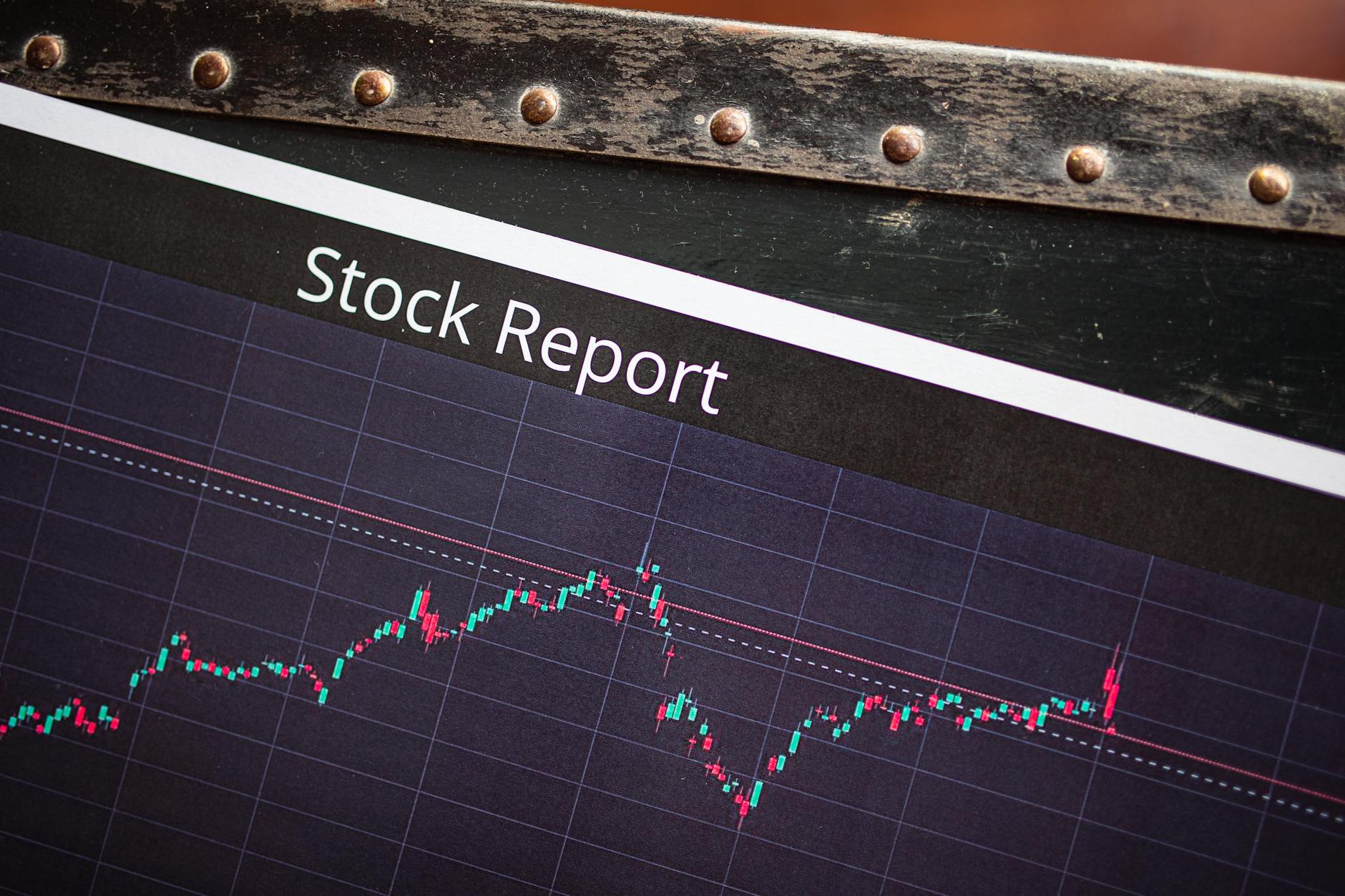
The Dubai Financial Market (DFM) General Index experienced a significant downturn, sliding by 4% on Tuesday. This decline coincided with a sharp rise in global oil prices, fueled by escalating tensions in the Middle East, particularly concerning Iran. The geopolitical instability has sent ripples through regional markets, with investors adopting a cautious stance and re-evaluating their portfolios. This article delves into the factors contributing to the DFM's slide, the impact of soaring oil prices, and the broader implications for the UAE economy and its investors.
Market Reaction to Geopolitical Tensions
The Dubai stock market, heavily influenced by global economic trends and regional stability, reacted swiftly to the heightened geopolitical risks. The DFM General Index, which tracks the performance of major listed companies, saw a broad-based sell-off across various sectors. Investors, typically seeking safe havens during times of uncertainty, began divesting from riskier assets, leading to the significant drop in the index. The conflict involving Iran, a major player in the global oil market, has created a climate of apprehension, prompting a reassessment of investment strategies.
The Role of Oil Prices
Global oil prices surged to multi-month highs as the conflict intensified. Crude oil, a critical commodity for many economies, including those in the Middle East, is highly sensitive to geopolitical events. Supply disruptions, or the threat thereof, in major oil-producing regions can lead to significant price volatility. The current situation, with potential implications for oil supply routes and production, has driven prices upward. For oil-exporting nations like the UAE, higher oil prices can be a double-edged sword. While they boost government revenues and support economic growth, they can also lead to inflationary pressures and impact consumer spending. The DFM's performance is intrinsically linked to the broader economic sentiment, which is currently being shaped by these volatile oil prices.
Impact on the UAE Economy
The UAE economy, while diversified, still has significant ties to the oil sector. The surge in oil prices, while beneficial for national income, can also lead to increased operational costs for businesses and potentially dampen consumer demand due to higher energy prices. The stock market's performance is often seen as a barometer of economic health. The 4% slide in the DFM index suggests that investors are factoring in potential economic headwinds arising from the geopolitical situation and its impact on oil prices. This can affect foreign direct investment, tourism, and overall business confidence.
Investor Sentiment and Strategy
In times of heightened uncertainty, investor sentiment typically shifts towards conservatism. Many investors tend to reduce their exposure to equities and seek refuge in assets perceived as safer, such as gold or government bonds. The sell-off observed in the Dubai market reflects this shift. Portfolio adjustments are common, with investors rebalancing their holdings to mitigate potential losses. Diversification across different asset classes and geographies becomes crucial during such periods. Understanding the interplay between geopolitical events, commodity prices, and stock market performance is key for making informed investment decisions.
Sector-Specific Impacts
Different sectors within the DFM are likely to experience varying degrees of impact. Sectors heavily reliant on consumer spending or those with significant international exposure might face greater challenges. Conversely, companies involved in the energy sector or those that benefit from higher commodity prices might see some resilience or even gains. However, the overall market sentiment driven by geopolitical fears often overshadows sector-specific fundamentals in the short term. Real estate, a significant component of the Dubai economy, can also be indirectly affected by investor confidence and the availability of capital.
Looking Ahead: Potential Scenarios
The future trajectory of the Dubai market will largely depend on the de-escalation of geopolitical tensions and the stability of oil prices. Several scenarios could unfold:
- De-escalation: If diplomatic efforts lead to a reduction in conflict, oil prices could stabilize or decline, and investor confidence might return, leading to a market recovery.
- Continued Escalation: A prolonged or intensifying conflict could lead to further volatility in oil prices and sustained pressure on regional stock markets, including the DFM. This could also impact global supply chains and economic growth.
- Economic Adaptation: The UAE economy has historically shown resilience in adapting to market fluctuations. Continued focus on economic diversification and strategic investments could help mitigate the impact of external shocks.
Risks for Investors
Investors in the Dubai market face several risks:
- Geopolitical Risk: The primary risk stems from the unpredictable nature of international conflicts and their potential to disrupt economic activity.
- Oil Price Volatility: Fluctuations in oil prices can significantly impact corporate earnings and government revenues, affecting market valuations.
- Currency Risk: While the UAE Dirham is pegged to the US Dollar, global economic shifts can still influence the broader financial environment.
- Market Sentiment: Fear and uncertainty can lead to irrational selling, causing prices to deviate from fundamental values.
Mitigation Strategies
To navigate these challenging market conditions, investors can consider the following strategies:
- Diversification: Spreading investments across different asset classes (equities, bonds, real estate, commodities) and geographical regions can help reduce overall risk.
- Long-Term Perspective: Focusing on long-term investment goals rather than short-term market fluctuations can help weather periods of volatility.
- Quality Investments: Investing in fundamentally strong companies with robust balance sheets and sustainable business models can provide resilience.
- Risk Management: Employing strategies like stop-loss orders or hedging can help limit potential downside losses.
FAQ
What caused the Dubai stock market to fall?
The primary cause was the escalating conflict involving Iran, which led to a surge in global oil prices and heightened geopolitical uncertainty. This prompted investors to sell off riskier assets.
How do rising oil prices affect the Dubai economy?
Rising oil prices can increase government revenues and support economic growth in the UAE. However, they can also lead to inflation and higher operational costs for businesses, potentially impacting consumer spending.
Is it a good time to invest in the Dubai stock market?
Given the current geopolitical uncertainty and market volatility, investors should exercise caution. It is advisable to conduct thorough research, understand the risks involved, and consider a long-term investment horizon. Consulting with a financial advisor is recommended.
What are the key risks for investors in the current scenario?
Key risks include geopolitical instability, oil price volatility, potential currency fluctuations, and the impact of negative market sentiment on investment values.
What steps can investors take to protect their portfolios?
Investors can protect their portfolios through diversification across asset classes and geographies, maintaining a long-term investment perspective, focusing on quality investments, and implementing risk management strategies.
In conclusion, the Dubai stock market's recent slide underscores the significant impact of geopolitical events and commodity price fluctuations on regional economies and investment landscapes. While the soaring oil prices present opportunities for oil-exporting nations, the underlying instability poses considerable risks. Investors must remain vigilant, adopt prudent strategies, and maintain a long-term outlook to navigate these complex market dynamics.
Important Practical Notes
Always verify the latest bank or lender terms directly on official websites before applying. Interest rates, charges, and eligibility can vary by profile, location, and policy updates.
Quick Checklist Before You Apply
Compare offers from multiple providers.
Check hidden charges and processing fees.
Review repayment terms and penalties carefully.
Keep required KYC and income documents ready.