Traditional debt investing for everyday retail savers has long been limited to bank fixed deposits or low-yield corporate bonds. While these options are stable, they often struggle to beat inflation, leaving your savings with diminished purchasing power.
To unlock higher returns, institutional investors have always relied on purchasing pools of diversified business loans. Today, digital technology has brought this strategy to the masses through fractional investment options in secure business loan portfolios india digital platforms, allowing everyday savers to co-own commercial debt sheets.
This introductory guide will explain how fractional debt investing operates, how specialized platforms manage default risks, and how you can start generating steady passive income with micro-sized capital blocks.
What are fractional investment options in secure business loan portfolios in India?
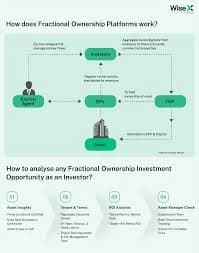
These are structured alternative investment products that allow retail individuals to buy tiny, fractional shares of large corporate or small business loan pools. Instead of financing a single enterprise, your capital is spread thin across hundreds of verified business loans to ensure steady monthly interest returns.
How do fractional business debt platforms secure my investment capital?
Platforms secure your money by acting as strict institutional filters. They bundle loans that are backed by hard corporate collateral, physical business inventory, invoice discounting guarantees, or underlying manufacturing machinery. This high-level asset backing ensures that even if one business struggles, your principal remains safely protected.
What is a realistic return percentage for fractional business loan investing?
Experienced retail investors in India generally secure a net annualized return (XIRR) ranging between 11% and 15% after factoring in platform management fees. These yields stand significantly higher than traditional public bank deposits, though they do not carry central government capital insurance guarantees.
How Portfolios Are Structured to Ensure Maximum Safety
Alternative debt investing carries inherent market risks. If an investor lends money to a single factory and that factory shuts down, the investor loses their entire principal.
To eliminate this vulnerability, fractional platforms employ a safety mechanism called hyper-diversification through structured portfolios. Your single investment ticket is automatically split across varying industries, shields, and locations.
Secured Corporate Bonds: Capital is routed to highly rated mid-market companies that pledge their operational buildings or land assets as financial backup.
Asset-Leasing Pools: Your money is used to purchase industrial equipment, electronic workstations, or commercial electric vehicles that are leased directly to stable corporate brands.
Invoice Discounting Packs: Funding unpaid invoices belonging to blue-chip vendors, where major global companies are legally obligated to clear the bills within 30 to 90 days.
Regulatory Framework Safeguarding Retail Portfolios
The alternative investment landscape in India operates under watchful regulatory oversight to prevent systemic fraud and shield retail savings from high-risk exposure.
Platforms typically structure these fractional business loans as Securitized Debt Instruments (SDIs) or route them through registered Alternative Investment Funds (AIFs) to maintain complete transparency.
Regulatory Fact: Securitized Debt Instruments used in fractional portfolios are strictly regulated under the Securities and Exchange Board of India (SEBI) guidelines. They are held in secure, encrypted Demat accounts just like regular stocks.
Furthermore, capital movements do not pass through the private bank accounts of tech platform developers. All investor cash is routed through a trustee-monitored bank escrow system to guarantee that your funds are deployed precisely where you authorized them.
Step-by-Step Guide to Start Your Fractional Debt Journey
Entering the market for fractional investment options in secure business loan portfolios india applications is fully digital and takes less than ten minutes.
Step 1: Complete Your Digital KYC Registration
Create an account on a certified alternative wealth tech platform such as Grip Invest, Wint Wealth, or Altifi. Complete your identity verification using your Aadhaar Card and PAN Card data.
Step 2: Link Your Active Demat Account
Connect your existing brokerage Demat folder. This connection is essential because your fractional ownership certificates will be credited here as official asset proofs.
Step 3: Analyze the Available Loan Pools
Browse through the active curated debt portfolios. Carefully review the underlying risk ratings, target companies, asset-backing metrics, and investment tenures.
Step 4: Allocate Your Target Capital
Select an amount that fits your personal financial budget. Many modern fractional debt opportunities feature beginner-friendly entry barriers starting as low as ten thousand rupees.
Step 5: Receive Proportional Monthly Payouts
Once the portfolio bundle closes, your investment goes to work. The platform tracks collection dates automatically, passing your proportional interest and principal payouts straight into your linked bank account.
Conclusion: Build a Highly Resilient Passive Income Stream
Investing in fractional investment options in secure business loan portfolios india systems provides a smart, modern framework to escape the traps of low-yield fixed accounts. It allows everyday retail investors to participate in the growth stories of robust Indian enterprises.
As long as you maintain a balanced diversification strategy, stay within your risk limits, and select platforms that enforce rigorous institutional due diligence, fractional corporate debt serves as a secure anchor to achieve long-term wealth growth.
Frequently Asked Questions
Can I sell my fractional business loan units early if I face a cash emergency?
While fractional debt units are held in your Demat account and can technically be traded on stock exchanges, the secondary market for alternative debt remains highly illiquid. It is best to treat these as hold-to-maturity assets matching your selected portfolio tenure.
Are the returns from fractional business loan investments tax-free?
No, they are not tax-free. The interest income you generate from fractional corporate debt portfolios is treated as standard income and taxed according to your personal income tax slab rates under "Income from Other Sources."
What happens if a business inside the loan portfolio defaults completely?
Because your investment is spread across a massive pool of hundred or more enterprises, a single company defaulting will only cause a minor drop in your overall yield rather than wiping out your principal capital. The platform's legal team will also trigger collateral recovery steps to reclaim the default amount.
What is the minimum lock-in tenure for fractional business loan portfolios?
The investment tenures are highly flexible and change based on the underlying assets. Portfolios focused on invoice discounting can mature in 3 to 6 months, while heavy equipment leasing and corporate bond pools typically run for 12 to 36 months.
Do I need a high net worth certificate to buy fractional business debt units?
No. While premium private credit funds require a huge minimum ticket size of one crore, retail-focused fractional platforms utilize SEBI-compliant structures to bring the entry barrier down to ten thousand rupees, making it accessible to students and young professionals.
How can I verify that a fractional platform is genuine and safe?
Always check that the platform is offering SEBI-regulated instruments like SDIs or operates in tandem with an RBI-registered Non-Banking Financial Company (NBFC). Legitimate platforms will always credit your purchases directly into your personal central NSDL or CDSL Demat account.
To gain a comprehensive understanding of how public frameworks regulate the broader fixed-income ecosystem, consider reviewing this expert breakdown on the RBI New Bond and Debt Directions. This discussion highlights how central policies protect your alternative financial assets as the macroeconomy shifts.