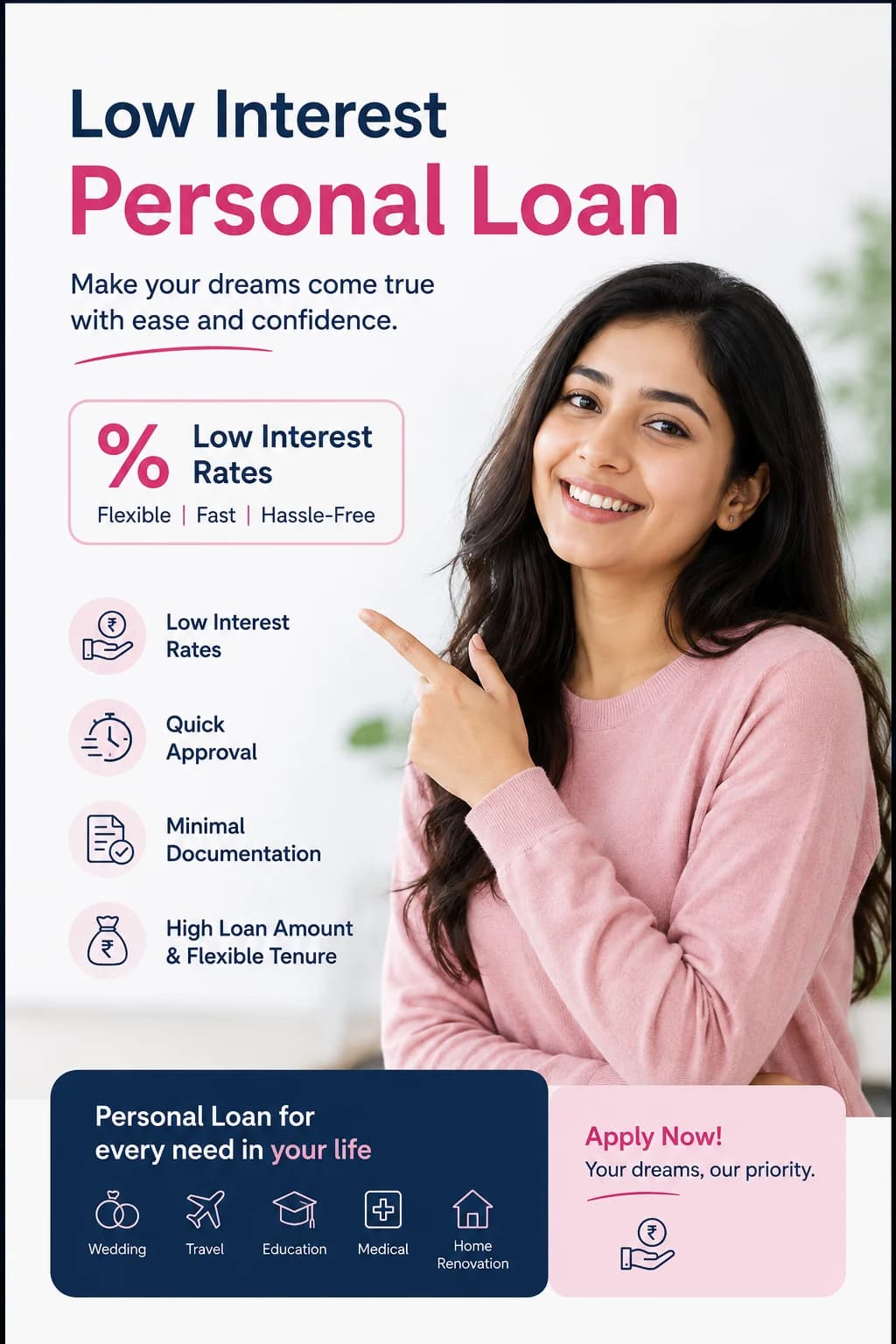
What Is a Low Interest Personal Loan?
A low interest personal loan is an installment loan provided by a bank, credit union, or online lender. You receive a lump sum of cash upfront and pay it back in equal monthly installments over a set period, known as the loan term.
The interest rate represents the "cost" of borrowing that money. The lower the rate, the less you pay in total interest over the life of the loan. Securing a low rate can save you hundreds or even thousands of pounds, depending on the total amount you borrow.
Why Your Credit Score Is the Most Important Factor
Lenders determine your interest rate based primarily on your creditworthiness. They look at your credit score to decide how "risky" it is to lend you money. A higher score tells lenders that you are reliable, which unlocks lower rates.
If your score is currently low, you may still get a loan, but the interest rate will likely be higher. Before applying, check your credit report for errors. Sometimes, correcting a simple mistake can improve your score enough to qualify for a better rate.
Three Key Ways to Get the Best Rates
To secure the most competitive personal loan rates, you should focus on these three essential areas:
1. Build a Strong Financial Profile
Lenders want to see stability. Having a steady job, a good debt-to-income ratio, and a clean credit history makes you a prime candidate for the lowest available rates. Avoid opening new credit accounts right before applying for your loan.
2. Compare Multiple Lenders
Never accept the first offer you receive. Different banks and credit unions have different criteria. Use online comparison tools to check offers from at least three different lenders. Look specifically at the APR (Annual Percentage Rate), which includes fees and interest.
3. Consider a Co-signer
If your credit score needs work, you might consider adding a co-signer with a strong credit history. A co-signer agrees to be responsible for the loan if you cannot pay. This reduces the risk for the lender, which often results in a significantly lower interest rate.
Avoiding Common Pitfalls When Borrowing
While looking for a low interest personal loan, it is easy to get distracted by flashy advertisements. Always read the fine print. Some lenders offer low rates but hide high "origination fees" that you have to pay upfront.
Be cautious of predatory lenders. If a company promises "guaranteed approval" regardless of your credit score, be extremely wary. Legitimate lenders will always perform a credit check and evaluate your ability to repay the debt before approving your request.
How to Apply for a Personal Loan Effectively
Once you have done your research, the application process is generally straightforward. Most modern lenders allow you to apply online in minutes.
Gather your documents: Have your proof of income (payslips), bank statements, and identification ready.
Use pre-qualification: Many lenders offer a "soft pull" feature. This allows you to see the rates you qualify for without hurting your credit score.
Submit your application: Once you choose the best offer, fill out the formal application. Be honest about your financial situation to avoid any delays.
Managing Your Loan Responsibly
Getting the loan is only the first step. To ensure your low interest personal loan remains a smart financial move, create a repayment plan. Set up automatic monthly payments so you never miss a due date.
Missing payments can lead to late fees and damage your credit score, which makes future borrowing more expensive. If you find yourself struggling to make a payment, contact your lender immediately. They may have hardship programs available to help you avoid default.
Direct Answer Snippets
What is a good interest rate for a personal loan? A good interest rate depends on the current market and your personal credit score. Generally, borrowers with excellent credit can secure the most competitive rates available. It is always best to compare multiple lenders to see what rates are currently being offered for your specific credit profile.
Does applying for a personal loan hurt my credit score? Applying for a loan usually involves a "hard inquiry" on your credit report, which can cause a small, temporary dip in your score. However, if you pre-qualify using a soft inquiry, you can see your potential rates without any impact on your credit score.
How do I find the lowest interest personal loan? To find the lowest rate, start by checking your credit report to ensure it is accurate. Then, use comparison websites to review offers from banks, credit unions, and online lenders. Always compare the APR, as this reflects the total cost of the loan including any associated fees.
Frequently Asked Questions (FAQs)
1. Can I get a personal loan if I have bad credit? Yes, but you will likely be offered a higher interest rate because the lender perceives more risk. Focus on making timely payments to improve your score so you can refinance to a lower rate later.
2. Are there hidden fees I should watch out for? Yes, keep an eye out for origination fees, prepayment penalties, and late payment charges. Always ask the lender for a full breakdown of all costs before you sign any loan agreement.
3. Is it better to get a loan from a bank or an online lender? Both have pros and cons. Banks often offer better rates to existing customers, while online lenders often provide faster approval times and more flexible requirements. Compare both to see which suits your needs.
4. What does "APR" mean when looking at loan offers? APR stands for Annual Percentage Rate. It represents the total annual cost of the loan, including interest and any additional fees, giving you a clearer picture of the true cost of borrowing.
5. Can I pay off my personal loan early to save money? Yes, you can. However, check if your loan has a "prepayment penalty." Some lenders charge a fee for paying off the loan ahead of schedule, so ensure your contract allows early repayment without extra costs.
6. How much can I borrow with a personal loan? Most lenders offer amounts ranging from a few hundred to several thousand. The exact amount you can borrow depends on your income, credit history, and the specific policies of the lender you choose.
Conclusion
Securing a low interest personal loan is a powerful way to manage your finances, whether you are consolidating debt or funding a major purchase. By maintaining a good credit score, comparing different lenders, and reading the fine print, you can find a loan that fits your budget and helps you reach your financial goals.
Remember that borrowing is a serious commitment. Take your time, do your research, and always ensure that the monthly payments fit comfortably within your current income. By being a responsible borrower, you can use personal loans as a tool to improve your financial future rather than a burden.
Are you ready to compare lenders, or would you like more tips on how to improve your credit score before applying?