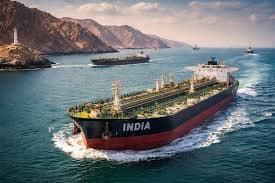
Indian LPG Tanker Jag Vikram Crosses Strait of Hormuz: A Strategic Maritime Milestone
Introduction
In a significant development for India’s energy logistics, the LPG tanker Jag Vikram has successfully passed through the highly sensitive Straight of Hormuz. This key maritime route is vital for global oil and gas transport, and the safe transit of Indian vessels underscores the resilience and efficiency of the country’s shipping operations.
Why the Strait of Hormuz Matters
The Strait of Hormuz is one of the world’s most critical chokepoints for energy transportation. Nearly 20% of global oil supply passes through this narrow waterway connecting the Persian Gulf to the Arabian Sea. For India, which imports a large portion of its LPG and crude oil, this route is indispensable.
Any disruption in this region can significantly impact fuel prices, supply chains, and economic stability. That’s why the successful movement of vessels like Jag Vikram is closely monitored.
Jag Vikram’s Journey Through Hormuz
The Indian LPG tanker Jag Vikram navigated through the Strait of Hormuz without any reported incidents. Despite ongoing geopolitical tensions in the region, the vessel maintained a steady course, ensuring timely delivery of liquefied petroleum gas.
This smooth passage reflects strong maritime coordination, adherence to international safety protocols, and the capability of Indian shipping operators to manage high-risk routes effectively.
Impact on India’s Energy Security
India relies heavily on imported LPG to meet domestic and industrial demand. The safe transit of Jag Vikram highlights:
Reliable Supply Chain: Ensures uninterrupted LPG availability across the country
Operational Efficiency: Demonstrates India’s growing maritime strength
Economic Stability: Prevents sudden price fluctuations due to supply disruptions
Such successful voyages build confidence in India’s energy import infrastructure and global trade partnerships.
Global Trade and Strategic Significance
The Strait of Hormuz is not just crucial for India but for the entire world. Safe passage of vessels like Jag Vikram contributes to:
Stability in global energy markets
Smooth international trade operations
Reduced risk premiums in shipping and insurance
India’s active participation in securing maritime routes also strengthens its position as a responsible global trading nation.
Conclusion
The successful transit of the Indian LPG tanker Jag Vikram through the Strait of Hormuz is more than just a routine maritime event—it is a testament to India’s robust shipping capabilities and strategic preparedness. As global uncertainties continue, such developments reassure both domestic and international stakeholders about the reliability of India’s energy supply chain.
If you want, I can also create a featured image prompt, social media captions, or YouTube script for this topic to boost engagement.