What documents are required for a used truck loan? Typically, you need identity proof (Aadhaar or PAN), address proof, and income documentation like bank statements for the last six months. You will also need the used truck’s registration certificate (RC), insurance documents, and a fitness certificate. Lenders may also require a valuation report for the specific vehicle you are purchasing.
Are NBFCs better than banks for used truck financing? NBFCs often offer more flexible terms and faster processing for used commercial vehicles compared to traditional banks. While their interest rates might be slightly higher, they are generally more willing to finance older models and work with borrowers who have unique business documentation needs, making them a popular choice in hubs.
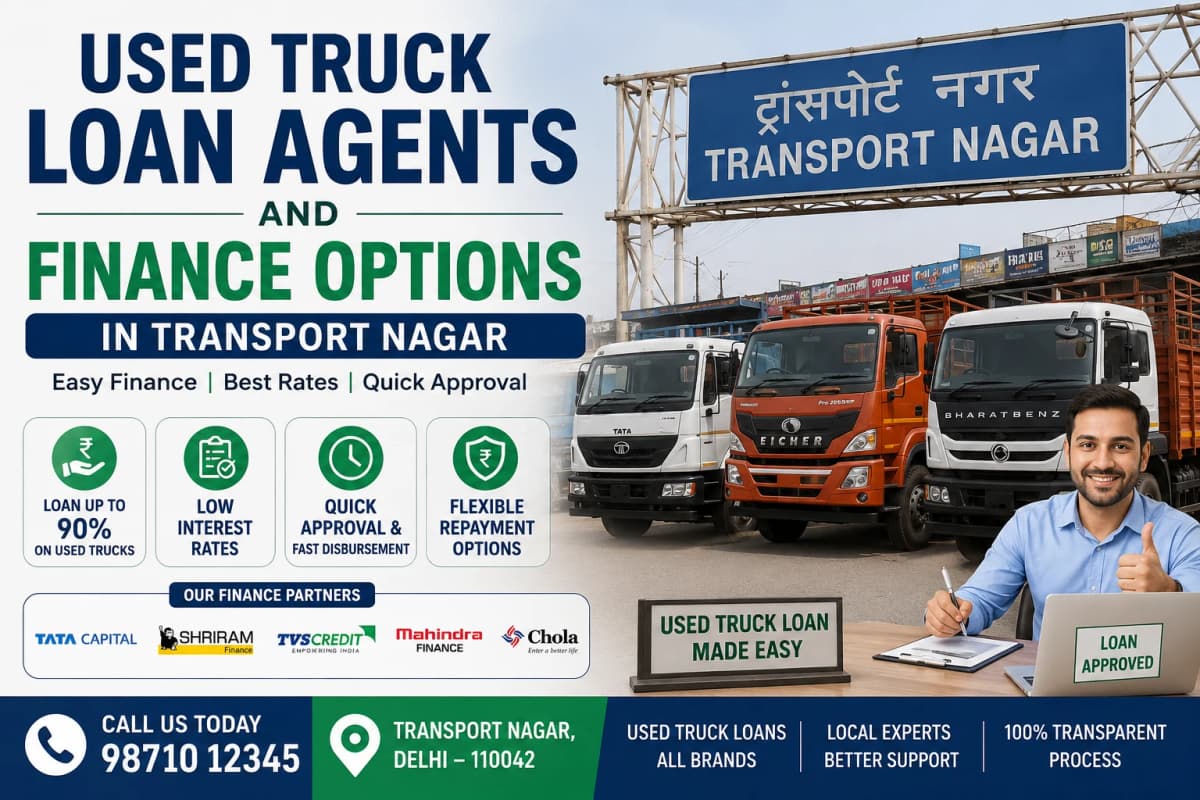
Used Truck Loan Agents and Finance Options in Transport Nagar
Transport Nagar serves as a central hub for logistics and commercial vehicle operations. For many small business owners and transport operators, purchasing a used truck is a smart way to expand their fleet without the high cost of a brand-new vehicle. However, finding the right financing can be challenging if you don't know where to look.
This guide provides a straightforward look at how you can secure a loan for a pre-owned commercial vehicle. By understanding the process, you can avoid common pitfalls and get your truck on the road faster.
Understanding Used Truck Financing
Financing a used truck is different from getting a standard personal loan. Lenders evaluate the age of the vehicle, its current market value, and the borrower’s ability to generate income from that vehicle. Because the truck serves as collateral, the process involves a specific valuation phase.
Most financial institutions in transport hubs like Transport Nagar prioritize speed and simplicity. They know that a truck sitting idle is a loss of income for the owner. Therefore, they focus on documents that prove the vehicle’s condition and your business stability.
Why Work with Professional Loan Agents?
Working with experienced loan agents can save you significant time. Instead of visiting dozens of banks, an agent acts as a bridge between you and multiple lenders. They understand which banks or Non-Banking Financial Companies (NBFCs) are currently active in the used vehicle segment.
A good agent will help you prepare your paperwork correctly the first time. This reduces the chances of your application being rejected due to minor errors or missing documents. However, always ensure your agent is transparent about their service fees and the exact interest rates being quoted by the lender.
Key Finance Options for Used Vehicles
There are two primary categories of lenders you will encounter in your search:
Public and Private Sector Banks: These often offer the lowest interest rates. However, their documentation requirements are usually strict, and they may be hesitant to finance trucks that are more than a few years old.
Non-Banking Financial Companies (NBFCs): These companies are the backbone of the used commercial vehicle market. They offer flexible repayment schedules and are often more comfortable financing older trucks. While the interest rates might be slightly higher, the approval process is generally faster and more accessible for small operators.
Essential Steps to Secure Your Loan
To ensure your loan process goes smoothly, follow these essential steps:
Check the Vehicle History: Before applying, ensure the truck has all valid documents, including a clear RC, active insurance, and a current fitness certificate. Lenders will not finance a vehicle with pending legal issues or expired registrations.
Compare Multiple Quotes: Do not settle for the first offer. Compare interest rates, processing fees, and repayment tenures from at least two or three different lenders.
Prepare Your Financials: Keep your business bank statements, PAN card, and Aadhaar card ready. If you have previous experience in the transport business, having proof of that history can help you negotiate better terms.
Read the Agreement: Always read the loan agreement in full before signing. Look for hidden charges, prepayment penalties, and the exact terms of the insurance requirement.
Conclusion
Securing a used truck loan in Transport Nagar is a manageable process if you are prepared and informed. By choosing a reputable agent and understanding the difference between bank and NBFC financing, you can make a sound financial decision. Focus on your business needs, verify every document, and choose a repayment plan that keeps your operations profitable.
Frequently Asked Questions (FAQs)
1. Is it difficult to get a loan for a truck that is more than 5 years old? It can be more challenging, as many traditional banks avoid older vehicles. However, many NBFCs specialize in financing older commercial vehicles. You may need to provide a higher down payment, but financing is definitely possible.
2. How long does the approval process usually take? If your documents are in order and the vehicle valuation is completed quickly, many lenders can provide a sanction letter within 3 to 7 working days. Working with an experienced agent can often help expedite this timeline.
3. Do I need to pay a down payment? Yes, most lenders require a down payment. This typically ranges from 15% to 30% of the vehicle’s total value, depending on your credit profile and the age of the truck.
4. What happens if I miss an EMI payment? Missing an EMI can lead to late fees and may negatively impact your credit score. If you anticipate difficulty in payment, contact your lender immediately to discuss a possible restructuring of the loan or a temporary grace period.
5. Are there hidden charges I should look out for? Always ask for a clear list of all fees. Look for details regarding processing fees, documentation charges, stamp duty, and insurance premiums. A transparent lender or agent will provide these details in writing before you sign the contract.
6. Can I prepay my truck loan to save on interest? Many loans allow for prepayments, but some lenders may charge a prepayment penalty. Be sure to check your loan contract for "foreclosure" or "prepayment" clauses so you know if there are extra costs involved in closing the loan early.